
Plants
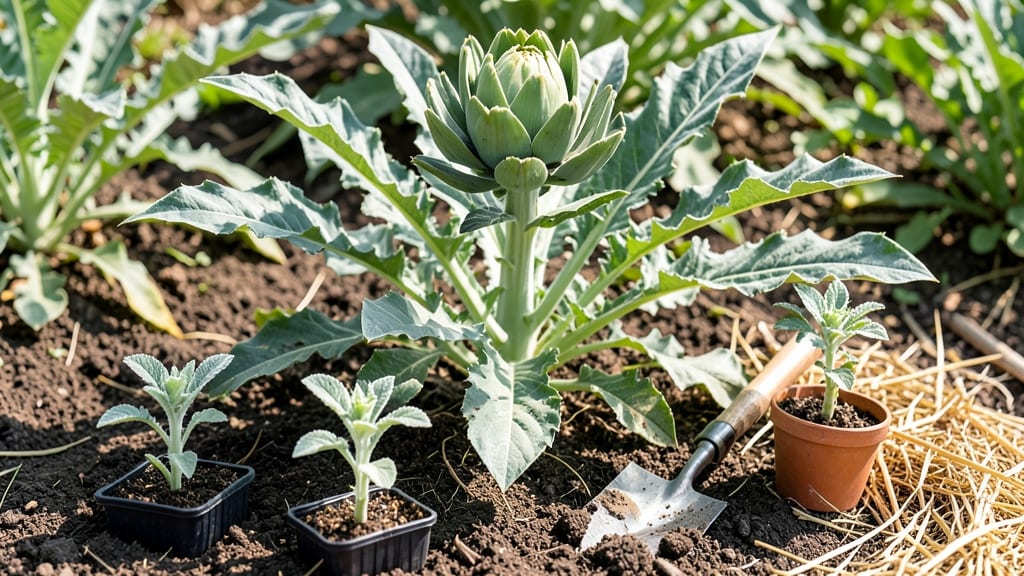
Planting artichokes in Zone 7 at the wrong time means watching your hard work wilt before it even begins. These Mediterranean natives need precise timing to thrive in our mild but unpredictable climate, and even a small misstep can delay—or completely ruin—your harvest.
Most gardeners in Zone 7 focus on spring planting, but did you know you can also plant artichokes in late fall? The key is understanding your last frost date—typically around March 15—and soil temperatures that should reach at least 50°F before sticking those 🌱 starts in the ground.
Whether you're starting with transplants or direct sowing seeds, getting the timing right isn't just about following a calendar. We'll break down exactly when to plant for both spring and fall success, plus how to adjust for your specific microclimate—whether you're in coastal Virginia or the inland hills of Tennessee.
By the end, you'll know exactly when to plant artichokes in Zone 7 to maximize your chances of a bountiful harvest, plus the care tips that keep your plants thriving from day one. Let's get those artichokes growing!
Optimal planting windows for artichokes in Zone 7: month-by-month breakdown
Artichokes in Zone 7 demand precision timing to thrive—plant too early, and frost will kill tender seedlings; too late, and your harvest shrinks. The ideal window spans March to April for spring and September to October for fall, aligning with soil temperatures of 50-60°F and frost-free forecasts.
For spring planting, start 4-6 weeks before your last frost date (typically March 15 in Zone 7). If you miss this window, fall planting becomes your backup—September is critical to give plants time to establish roots before winter dormancy.
Zone 7’s microclimates complicate timing: Coastal areas (like North Carolina’s Outer Banks) can plant 2 weeks earlier than inland regions (e.g., Kentucky’s Bluegrass). Always check your local frost dates—even a 10°F dip can devastate young plants.
| Stage | Action | Notes |
|---|---|---|
| Spring Planting | Transplant seedlings March 15–April 15 | Soil temp: 50°F+; avoid frost risk |
| Direct Sowing | Sow seeds April 1–May 1 | Germination: 10–20 days at 60°F+ |
| Fall Planting | Transplant September 1–October 15 | Roots must establish 6+ weeks before frost |
| Avoid Planting | May–August | Summer heat stress; prioritize fall prep |
Transplants outperform direct sowing in Zone 7—6-week-old seedlings from nurseries jumpstart growth. Harden them off for 7–10 days before planting: Acclimate to outdoor temps by gradually increasing sunlight exposure. Skip this step, and transplant shock will stunt your plants for weeks.
Soil prep is non-negotiable: Artichokes crave well-draining, slightly acidic soil (pH 6.5–7.5). Amend heavy clay with compost or sand to prevent root rot. A 2-inch layer of mulch retains moisture and regulates soil temps—critical in Zone 7’s hot summers.
Watch for false starts: A late frost in April can kill young plants. Use row covers if temps dip below 32°F after planting. Conversely, don’t rush fall planting—September 15+ gives roots time to harden before winter.
Zone 7’s urban gardens face extra heat stress. If your yard is 20°F hotter than rural areas (common in cities), plant 2 weeks earlier in spring or 2 weeks later in fall to avoid summer’s peak.
Elevation matters too: Mountainous Zone 7 (e.g., Virginia’s Appalachians) may need 1–2 weeks later than coastal areas.
Pro tip: Mark your calendar for May 15—this is when Zone 7’s first harvest-ready buds typically appear. If you plant after April 30, expect a 50% smaller yield due to shortened growing season.
For perennial varieties (like ‘Green Globe’), plant in spring only—fall-planted perennials rarely survive Zone 7 winters. Annuals (e.g., ‘Imperial Star’) can handle fall planting but need protective mulch.
Optimal planting windows for artichokes in Zone 7: month-by-month breakdown
Zone 7 gardeners have two prime windows to plant artichokes: early spring (March-April) and late fall (September-October). The key is avoiding frost while ensuring soil temperatures reach 50-60°F—critical for root establishment.
Spring planting gives you a 90-120 day harvest window, while fall planting can produce smaller but earlier artichokes the following spring.
For spring planting, start 4-6 weeks before your last frost date (typically March 15 in Zone 7). This means transplanting in late February to early March for coastal areas or mid-March for inland regions. Direct sowing seeds is possible but requires warmer soil (60°F+), usually mid-April.
| Season | Planting Window | Soil Temp | Key Consideration |
|---|---|---|---|
| Spring | Late Feb - Early Mar (transplants) Mid-Apr (direct sow) |
50-60°F | Avoid frost; harden off transplants |
| Fall | Late Sep - Early Oct | 60-70°F | Plant 6-8 weeks before first frost |
Fall planting in Zone 7 is often overlooked but can yield early spring harvests. Aim for late September to early October when soil remains warm but nights cool.
This gives plants time to establish roots before winter dormancy. Just ensure your variety is cold-hardy—Green Globe is ideal for Zone 7.
Zone 7's microclimates matter: Coastal areas (like Norfolk) can plant 2 weeks earlier than inland spots (like Nashville). Use a soil thermometer to confirm readiness—50°F for transplants, 60°F for seeds. Mulch heavily after planting to maintain warmth and moisture.
Pro tip: If your spring is unpredictable, use row covers for early transplants to protect against late frosts. For fall plantings, choose a south-facing bed to maximize winter sun exposure. Both strategies can extend your growing season by 2-3 weeks in Zone 7's variable climate.
Remember: Artichokes are perennials in Zone 7, so proper planting timing now means years of harvests with minimal replanting. Get it right the first year, and you'll enjoy homegrown artichokes for seasons to come. 🌱