
Trees
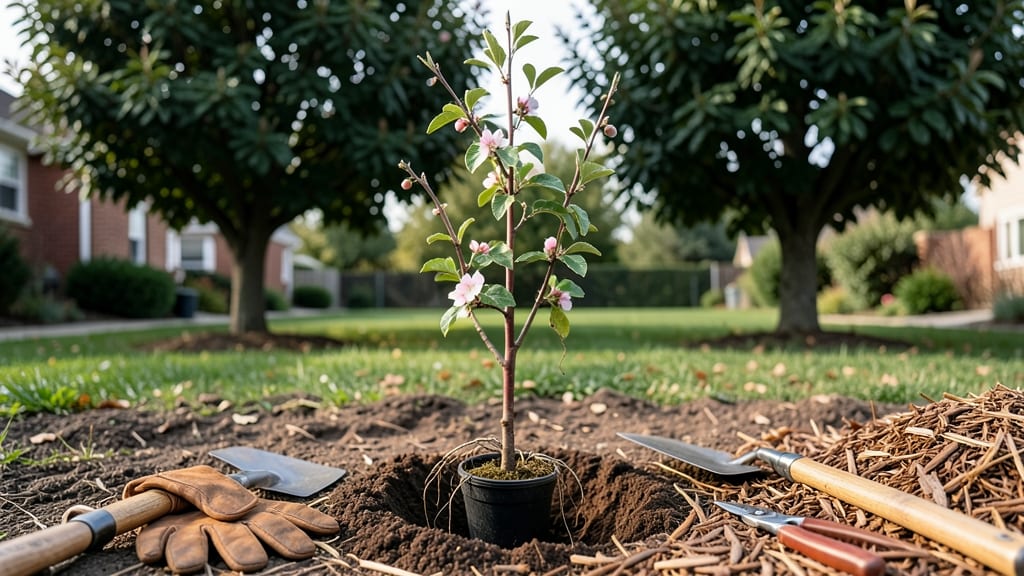
Planting your 🍎 Apple Tree at the wrong time in Massachusetts could mean the difference between a thriving orchard and years of disappointment—especially with the state’s strict chill-hour requirements.
Unlike warmer climates, timing here isn’t just about seasons; it’s about matching your variety to your specific microclimate, whether you’re in the Berkshires or near the coast.
Most gardeners assume fall is the only option, but early spring (February–April) can actually give your young tree a head start before summer heat arrives.
The key is avoiding late frosts, which can be deadly for newly planted 🍎 Apple Trees, and ensuring the roots establish before winter sets in.
In this guide, I’ll break down the best planting windows for Massachusetts’ chill zones (5b–6b), including whether bare-root or container-grown trees need different timing. You’ll also learn how to prep your soil, water correctly, and mulch for long-term success—so your tree doesn’t just survive, but thrives.
Whether you’re a first-time grower or a seasoned orchard keeper, getting this right means fewer headaches and more homegrown apples in August–October. Let’s get your 🍎 Apple Tree off to the best possible start.
Best planting months for apple trees in Massachusetts by chill-hour zones
Massachusetts’ chill-hour requirements (400–1,000+ hours below 45°F) make timing critical for apple trees. Plant too early, and young roots may freeze; too late, and trees struggle to establish before winter.
The ideal window is late winter to early spring (February–April) or fall (September–October), but your USDA Zone (5b–6b) and microclimate dictate the best choice.
For example, coastal areas (Zone 6b) like Cape Cod have milder winters, allowing fall planting until mid-October. Meanwhile, inland zones like the Berkshires (Zone 5b) demand earlier fall planting (late August–September) to avoid winter stress.
Spring planting is safer in colder zones but risks late frosts that can damage blossoms.
Bare-root trees are best planted in dormancy (fall or early spring), while container-grown trees offer year-round flexibility—just avoid extreme heat or cold. Always check your last frost date (typically mid-April in most of MA) to time spring planting for 2–4 weeks before buds swell.
🌱
| Zone & Region | Chill Hours | Best Fall Planting Window | Best Spring Planting Window | Critical Deadlines |
|---|---|---|---|---|
| Zone 5b (Berkshires, Worcester) | 800–1,000+ | Late Aug–Sept 15 | Feb 15–March 31 | Avoid after Sept 20 (frost risk) |
| Zone 6a (Central MA, Boston) | 600–800 | Sept 1–Oct 15 | March 1–April 15 | Plant by Oct 1 for root establishment |
| Zone 6b (Coastal: Cape Cod, Nantucket) | 500–600 | Sept 15–Oct 30 | March 15–April 30 | No fall deadline (milder winters) |
*Source: UMass Extension, adjusted for 2023–2024 averages
Spring planting is ideal for bare-root trees because the soil thaws, making it easier to dig. Aim for 2–4 weeks before your last frost to let roots establish before buds break. For container-grown trees, spring offers longer flexibility—just avoid planting when soil temps are below 40°F.
Fall planting is riskier in colder zones but rewards you with head-start root growth before winter. If you choose fall, water deeply after planting and apply 3–4 inches of mulch to insulate roots. Avoid fall planting if your area gets consistent sub-20°F temps.
Pro tip: Use soil thermometers to confirm ground temps are above 45°F before spring planting. For fall, wait until 6 weeks before first frost to allow roots to harden off. In Zone 5b, this often means mid-September.
🌿
Microclimates matter! A south-facing slope warms up faster in spring, while a northern exposure stays colder longer. If you’re unsure, err on the side of earlier planting—apple trees recover better from delayed starts than from late-season stress.
Finally, local nurseries are your best resource. Ask about rootstock hardiness—some varieties (like ‘Liberty’) handle chill hours better than others. Pairing the right tree with the right timing sets you up for decades of harvests.
☀️
Top 5 Massachusetts-adapted apple varieties and their perfect planting timelines
Massachusetts’ diverse climate means not all apple varieties thrive equally. The top 5 cold-hardy varieties—McIntosh, Cortland, Liberty, Honeycrisp, and Macoun—each demand specific chill-hour requirements and planting windows to flourish.
For example, McIntosh needs 800–1,000 chill hours, while Liberty adapts to 400–600 hours, making it ideal for warmer microclimates like Cape Cod.
Timing your planting isn’t just about the season—it’s about matching the variety’s maturity timeline to your region’s last frost date. In Western MA (USDA Zone 5b), aim for late September to early October, while coastal areas (Zone 6b) can extend planting until mid-November.
Spring planting (March–April) works too, but young trees risk late frost damage if buds swell too early.
🍎💡 VARIETY PLANTING GUIDE: Below is a side-by-side comparison of the 5 best varieties, their chill-hour needs, and ideal planting windows for Massachusetts.
| Variety | Chill Hours Needed | Ideal Planting Months | Frost Sensitivity | Maturity Timeline |
|---|---|---|---|---|
| McIntosh | 800–1,000 hrs | Sep–Oct (fall) or Mar–Apr (spring) | High (late frost risk) | 180–240 days |
| Cortland | 600–800 hrs | Sep–Oct (fall preferred) | Medium | 200–220 days |
| Liberty | 400–600 hrs | Mar–Apr (spring) or Nov (coastal) | Low (disease-resistant) | 220–240 days |
| Honeycrisp | 900–1,100 hrs | Sep–Oct (fall only) | High (needs shelter) | 240–300 days |
| Macoun | 500–700 hrs | Sep–Oct or Apr (spring) | Medium | 180–220 days |
For Liberty and Macoun, spring planting in March–April reduces late frost risks, while Honeycrisp demands fall planting only to meet its high chill-hour needs. My personal tip: If you’re in the Berkshires, prioritize McIntosh or Cortland—they handle the region’s longer winters better than coastal varieties.
Proper timing also means soil prep. Amend clay-heavy soils in Western MA with compost 4–6 weeks before planting, while sandy soils near Cape Cod benefit from organic matter like leaf mold. Mulch with wood chips after planting to retain moisture and regulate soil temps.
Remember: Container-grown trees can be planted year-round in Massachusetts, but bare-root trees (cheaper and hardier) must go in during dormant seasons—fall or early spring. For Honeycrisp, this means no exceptions—plant in September or October or risk poor fruit set.
🌱 Whether you’re a first