
Trees
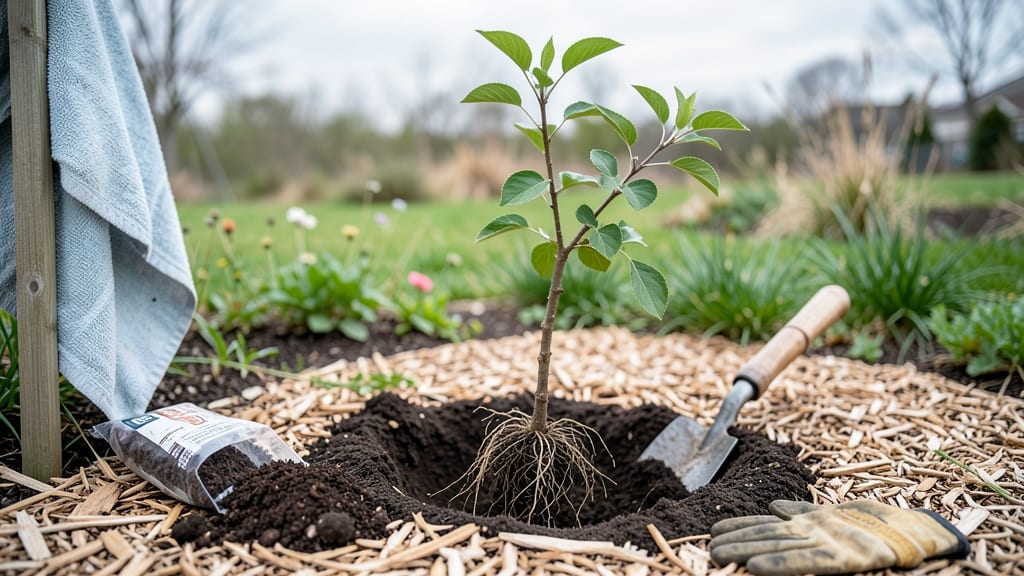
Planting an apple tree 🍎 in Connecticut’s Zone 6b isn’t just about digging a hole—it’s about outsmarting frost, soil, and the state’s famously unpredictable spring weather. Get the timing wrong, and you could end up with a sad, frost-nipped sapling instead of a future fruit-bearing giant.
The right window makes all the difference between a struggling tree and one that thrives for decades.
Most Connecticut gardeners assume spring is the only option, but early fall actually gives your apple tree’s roots a head start before winter sets in. We’ll break down the exact frost dates you need to watch for—because missing them by even a week can spell disaster for your young tree.
Whether you’re planting bare-root or container-grown, knowing these critical windows is the first step to success.
What you’ll discover here are the two best planting periods for CT’s climate, plus how to adjust for your specific corner of the state—whether you’re near the coast in New Haven or inland in the Litchfield Hills.
Spoiler alert: coastal areas can plant up to 3 weeks later than inland spots due to milder microclimates. Ready to set your apple tree up for life?
We’ll also cover the 5 biggest mistakes Connecticut growers make when planting, from ignoring soil drainage to choosing the wrong varieties for Zone 6b. By the end, you’ll have a clear planting calendar, frost risk dates, and a checklist to ensure your apple tree starts strong—no guesswork involved.
Optimal planting windows in Connecticut’s USDA Zone 6b: frost risk dates & soil temperature guide
Connecticut’s USDA Zone 6b climate delivers 165 frost-free days annually, but those dates shift yearly. For apple trees, timing isn’t just about seasons—it’s about soil temperatures and frost risk windows. Plant too early, and your sapling faces late-spring frosts (common until May 15 in most areas).
Plant too late, and roots won’t establish before winter. My goal? Help you nail the 45–55°F soil temperature sweet spot for root growth.
Data from the National Oceanic and Atmospheric Administration (NOAA) shows Hartford’s average last frost date is April 15, while coastal areas like New London may see frost as late as May 1. Inland regions like Litchfield Hills often warm up 1–2 weeks earlier.
These variations mean your planting window could stretch from March 15 to April 30 for spring plantings—or September 15 to October 15 for fall.
Here’s the critical timeline for Connecticut gardeners:
| Season | Ideal Planting Window | Soil Temperature | Frost Risk | Notes |
|---|---|---|---|---|
| Spring | March 15–April 30 | 45–55°F | Low (post-April 15) | Best for bare-root trees; roots wake up but soil isn’t too wet. |
| Fall | September 15–October 15 | 50–60°F | Moderate (first frost ~Oct 15) | Ideal for container-grown trees; roots establish before dormancy. |
| Avoid | May–June | N/A | High (late frosts) | New growth risks frost damage; prioritize established trees. |
For bare-root apple trees, spring planting (March–April) is ideal because roots are dormant but ready to grow as soil warms. If you choose container-grown trees, fall planting (September–October) gives roots time to establish before winter dormancy.
Pro tip: Check soil temps with a soil thermometer—roots need 45°F minimum to avoid shock.
Connecticut’s microclimates complicate timing. Coastal areas like Groton or New London often see later frosts due to ocean influence, while inland regions like Torrington warm up faster. Use your local Cooperative Extension office (e.g., UConn Home & Garden Education Center) for hyper-local frost data.
For example, Hartford’s last frost is April 15, but Stamford’s can linger until May 1.
One mistake I’ve seen Connecticut gardeners make? Planting too late in spring (after May 1) when new growth emerges just as late frosts hit. Always monitor NOAA’s frost predictions or use apps like Old Farmer’s Almanac for real-time updates.
For fall plantings, aim to finish by October 15—any later, and roots won’t harden before winter.
If you’re planting in urban areas (e.g., Bridgeport, New Haven), heat islands can delay frost by 1–2 weeks. Conversely, high-elevation sites (like the Berkshires) may need earlier planting.
Test your soil’s drainage too—waterlogged roots are a silent killer in Connecticut’s heavy clay soils. Amend with compost or sand if needed before planting.
For dwarf apple varieties (like ‘Liberty’ or ‘Enterprise’), timing is slightly more flexible—their smaller root systems establish faster. But standard varieties (e.g., ‘McIntosh’ or ‘Cortland’) need 6–8 weeks of root growth before winter.
My rule of thumb? Plant bare-root trees in spring and container-grown trees in fall to balance risk and reward.
Remember: Connecticut’s climate is unpredictable. Even with perfect timing, mulch heavily (4–6 inches of straw or wood chips) to insulate roots. And if a late frost threatens?
Cover young trees with frost blankets or row covers until danger passes. The goal isn’t perfection—it’s minimizing risk while maximizing your tree’s chance to thrive.
How to adjust planting timing for Connecticut’s microclimates: coastal vs. inland variations
Connecticut’s diverse geography means your apple tree’s planting window can shift by 1–3 weeks depending on whether you’re near the coast or inland. Coastal areas like New London and Groton experience milder winters and later frosts, while inland regions like the Litchfield Hills face earlier freezes.
Understanding these variations helps you avoid frost damage to young roots.
For coastal CT, the last frost date often arrives May 1–15, giving you a slightly extended spring planting window. Inland areas, however, may see frost as early as April 15, so timing is tighter. Always check local microclimate maps or consult your county extension office for precise data.
Elevation also plays a role—trees planted in higher inland areas (e.g., Torrington) may need to go in the ground 2–3 weeks earlier than coastal sites. Wind exposure further complicates timing: open fields increase frost risk, while sheltered yards can delay it.
| Factor | Coastal CT (e.g., New London) | Inland CT (e.g., Litchfield Hills) |
|---|---|---|
| Last Frost Date | May 1–15 | April 15–May 1 |
| First Frost Date | October 20–30 | October 10–20 |
| Best Spring Planting Window | April 15–May 15 | April 1–April 15 |
| Best Fall Planting Window | September 20–October 10 | September 10–September 20 |
| Soil Warms To 50°F | Late April | Early April |
Urban heat islands in cities like Hartford or Bridgeport can create microclimates where soil warms 1–2 weeks earlier than rural areas. If you’re planting in a city, monitor soil temperatures with a soil thermometer—aim for 45–55°F before planting.
In cooler inland zones, consider black plastic mulch to warm the soil faster.
For container-grown apple trees, coastal gardeners have more flexibility to plant into late May, while inland growers should stick to early April. Bare-root trees, however, must go in the ground before buds swell—usually March–early April everywhere in CT.
Always choose dwarf or semi-dwarf varieties for urban or small yards, as they establish faster in microclimates with limited space.
Pro tip: If you’re unsure about your local frost dates, use the National Oceanic and Atmospheric Administration (NOAA) frost calculator or ask your local nursery for site-specific advice. A well-timed planting can mean the difference between a thriving orchard and a frost-bitten failure.