
Planting
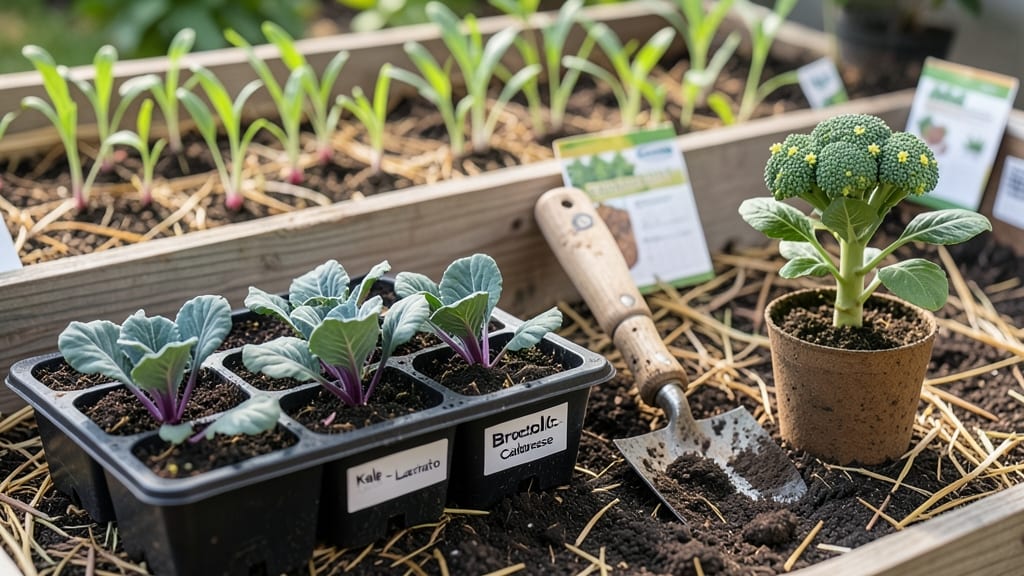
Timing your vegetable garden planting in New Jersey’s USDA Zones 6b and 7a can make or break your harvest—miss these deadlines, and you might end up with wilted lettuce or frost-bitten tomatoes before they even ripen.
The last frost date in mid-April (or later near the coast) signals the start of the 165-day growing window most crops need to thrive, but warm-season plants like peppers and eggplants won’t tolerate cold soil.
If you’ve ever stared at seed packets wondering, "Do I plant these now or wait?"—you’re not alone.
The key is understanding cool-season crops (like spinach and carrots) can handle early spring’s chill, while warm-season varieties (tomatoes, cucumbers) need to wait until soil hits at least 60°F—usually late May in inland areas. Even a week too early can stunt growth, leaving you scrambling to replant.
This guide breaks down exactly when to plant every major crop in NJ, from leafy greens to heavy feeders like corn, plus how to adjust for microclimates—whether you’re in humid coastal areas or drier inland zones.
We’ll also cover fall planting strategies to squeeze in a second harvest before the first frost in October.
Ready to avoid the most common NJ gardening mistakes? You’ll learn how to read frost forecasts, prep soil for peak fertility, and even salvage a late start. Let’s get your 🥬 vegetable garden on track for a bumper crop!
NJ planting deadlines by vegetable type: cool vs warm season crops
New Jersey’s USDA Zones 6b and 7a offer a 165-200 day growing season, but timing your vegetable garden correctly is everything. The last frost date (typically April 15 in central NJ) and first frost (around October 15) set the boundaries for planting.
Cool-season crops like lettuce and carrots thrive in cooler temps, while tomatoes and peppers need warmth to flourish. Missing these deadlines can mean stunted growth or total crop failure.
For cool-season vegetables, start planting 4-6 weeks before your last frost date. This gives them time to mature before summer heat sets in. Warm-season crops, on the other hand, should wait until 2-3 weeks after the last frost when soil temperatures reach at least 60°F.
Below, I’ve broken down the exact deadlines for popular NJ garden staples to help you plan like a pro.
📅 Pro Tip: Use a soil thermometer to confirm soil temps—cool-season crops need 40-60°F, while warm-season crops require 60-85°F. If your soil is too cold, your seeds may rot before sprouting.
🌱 NJ Planting Deadlines by Crop Type
| Crop Type | Planting Window | Soil Temp | Deadline Notes |
|---|---|---|---|
| Cool-Season Crops | March 15 - April 30 | 40-60°F | Plant lettuce, spinach, carrots, and peas 4-6 weeks before last frost. Succession plant every 2 weeks for continuous harvests. |
| Warm-Season Crops | May 1 - June 15 | 60-85°F | Wait until soil warms to 60°F for tomatoes, peppers, and cucumbers. Use row covers if frost threatens early in the season. |
| Fall Cool-Season Crops | July 15 - August 31 | 50-70°F | Sow kale, broccoli, and radishes 8-10 weeks before first frost. These crops tolerate light frosts and even improve in flavor! |
| Extended-Season Crops | April 1 - May 15 or July 1 - August 15 | 50-75°F | Use black plastic mulch or cold frames to extend the season for onions, garlic, and beets. These can handle cooler temps better than most. |
One of the biggest mistakes NJ gardeners make is planting warm-season crops too early. For example, tomato seeds sown in March will sit in cold soil and rot.
Instead, start them indoors in late March and transplant after the last frost. Similarly, peppers are heat-lovers and won’t thrive until soil temps consistently stay above 65°F.
For cool-season crops, don’t wait until spring to plant. Many, like spinach and radishes, can handle light frosts and even grow well in fall. In fact, some gardeners sow spring lettuce in September for a winter harvest before the first frost.
Just be sure to protect tender crops with row covers or cloche tunnels if temperatures dip below 25°F.
If you’re new to gardening in NJ, succession planting is your best friend. This means sowing small batches of seeds every 2-3 weeks to ensure a steady supply of fresh produce.
For example, plant bush beans every 10 days from May to July to enjoy them all summer long. It’s a game-changer for avoiding gluts and gaps in your harvest.
Another key factor is soil preparation. NJ’s soil can be clay-heavy in some areas, which drains poorly and can stunt root growth. Amend your soil with compost or aged manure at least 4-6 weeks before planting to improve drainage and fertility.
A simple soil test from your local Cooperative Extension office can tell you exactly what your soil needs.
Don’t forget about fall planting—it’s just as important as spring! Many cool-season crops thrive in the milder temperatures of September and October. For example, broccoli and cauliflower planted in early August can be harvested in October or November, often tasting sweeter after a light frost.
Just be sure to harvest before the first hard frost, which can damage or kill the plants.
Finally, keep an eye on local weather forecasts, especially if you’re planting near the deadlines. A late frost in May can wipe out your tomato seedlings overnight, while an early heatwave in June can bolt your lettuce.
Having a backup plan, like row covers or a greenhouse, can save your garden from unexpected weather.
How to adjust your planting schedule for NJ’s microclimates
New Jersey’s diverse geography—from coastal beaches to inland valleys and mountainous regions—creates microclimates that can shift your planting deadlines by 2-4 weeks.
If you’re near the coast, like in Cape May, you’ll enjoy warmer springs and later fall frosts, while inland areas like Morris County may experience earlier frosts and cooler soil. Understanding these variations helps you fine-tune your schedule for success.
For example, coastal areas often have last frost dates as late as April 30, giving you extra time to plant warm-season crops like tomatoes and peppers. Meanwhile, inland regions might see frost by April 15, requiring you to rush or start seeds indoors.
Use these regional cues to adjust your planting timeline and avoid frost damage or stunted growth.
To stay ahead of these shifts, monitor local weather patterns and use tools like the NJ State Climate Office or Almanac frost charts.
For instance, if you’re in a cooler microclimate, consider using black plastic mulch to warm soil faster or opt for early-maturing varieties of tomatoes or peppers. Conversely, in warmer coastal areas, focus on heat-tolerant crops like okra or sweet potatoes to extend your harvest season.
Another trick is to observe nearby gardens or ask local gardeners at county extension offices. They’ve likely already adapted their schedules to their specific microclimate.
For example, gardeners in Burlington County might share tips on protecting late-season crops from unexpected early frosts, while coastal gardeners may recommend shade cloth to prevent bolting in lettuce during hot summer days.
Don’t forget to account for elevation changes, especially in northern NJ. Higher elevations, like those in the Kittatinny Mountains, can have 1-2 weeks earlier frosts than lower areas.
If you’re unsure about your exact microclimate, use a soil thermometer to check when soil reaches 60°F—the ideal temperature for planting warm-season crops. This simple tool removes guesswork and ensures your plants thrive from day one.
By tailoring your planting schedule to NJ’s microclimates, you’ll maximize your garden’s potential and enjoy a longer, more productive harvest—no matter where you garden in the state. 🌱