
Planting
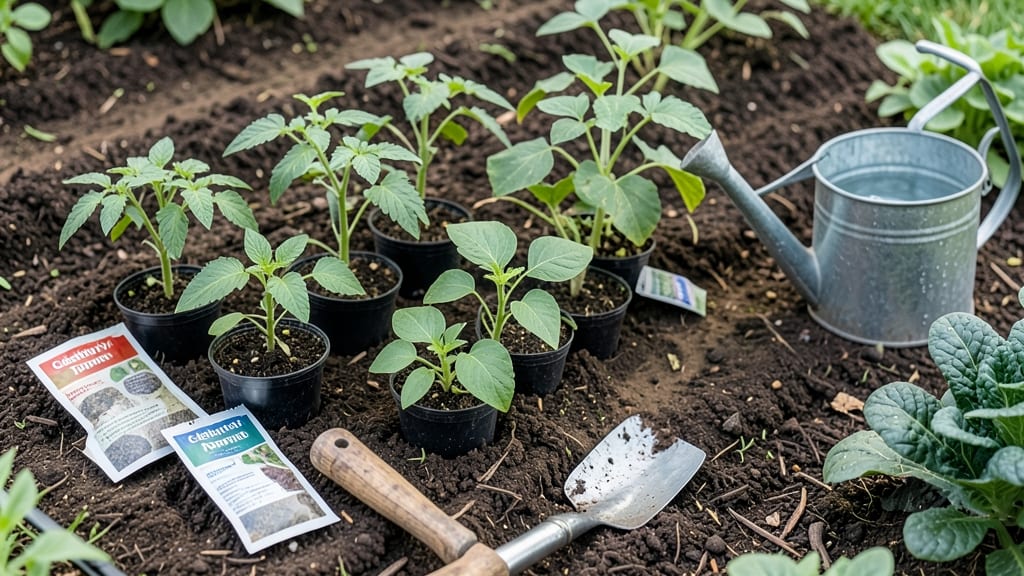
Planting your garden at the right time in Georgia isn't just about luck—it's about knowing exactly when to put those seeds in the ground to avoid frost damage and maximize your harvest.
With the state's diverse climate zones, from the humid Coastal Plain to the cooler Mountain regions, timing can make or break your 🌱 garden's success.
If you've ever watched your tender seedlings wilt overnight because of an unexpected frost or struggled to coax warm-season crops to thrive in Georgia's heat, you know how critical this is.
The key lies in understanding your specific heat zone—whether you're in 7a or 9a—and aligning your planting schedule with the last and first frost dates that shape your growing season.
In this guide, I’ll break down the perfect planting windows for every type of vegetable, flower, and herb in Georgia, so you can enjoy a bountiful garden year-round.
Whether you're a seasoned gardener or just starting out, these insights will help you plan with confidence and avoid common mistakes that lead to wasted effort.
From cool-season greens in early spring to heat-loving tomatoes in late summer, you'll discover how to stretch your growing season and make the most of Georgia's unique climate. Let’s get your garden off to the best possible start!
Georgia planting calendar by heat zone: exact months for zero-frost success
Georgia spans USDA Zones 7A-8B, creating a unique gardening challenge with last frost dates ranging from early March to late April and first frost dates from mid-October to early November.
Unlike northern states, Georgia’s warm winters allow year-round gardening for heat-tolerant plants, but timing still matters to avoid frost damage or wasted effort.
Your heat zone determines the best planting windows. For example, Zone 7A (North Georgia) has a shorter growing season than Zone 8B (Coastal Georgia).
Below, I’ve broken down the critical planting months for both cool-season crops (like lettuce and broccoli) and warm-season crops (like tomatoes and peppers) to maximize your harvest.
Pro Tip: Use the 10-day rule—plant cool-season crops 10 days before your zone’s last frost date and warm-season crops 10 days after. This buffer accounts for unpredictable weather swings common in Georgia.
Georgia Planting Calendar by Heat Zone
| Zone | Last Frost Date | First Frost Date | Cool-Season Planting | Warm-Season Planting |
|---|---|---|---|---|
| 7A (North GA) | March 15 | November 1 | March–April, Aug–Sept | April 15–May 15 |
| 7B (Piedmont) | March 22 | November 10 | March–April, Aug–Sept | April 1–May 10 |
| 8A (Central GA) | March 30 | November 15 | Feb–April, Aug–Oct | March 15–May 1 |
| 8B (Coastal GA) | April 15 | November 25 | Jan–April, Sept–Nov | Feb 15–June 1 |
Adjust dates 1–2 weeks earlier for high-altitude areas (e.g., Blue Ridge Mountains) or later for coastal regions.
For Zone 7A gardeners, focus on spring planting (March–April) for cool-season crops like kale and spinach, while Zone 8B gardeners can start early spring (February) for broccoli or cauliflower.
Warm-season crops like okra and sweet potatoes thrive when planted after your last frost date, but in Zone 8B, you can even plant tomatoes in February under row covers.
Georgia’s fall planting window (August–September) is ideal for cool-season crops like radishes and turnips. In Zone 7A, aim to plant by August 15 to avoid early frost, while Zone 8B can extend planting until September 30. Succession planting every 2 weeks ensures a continuous harvest.
Don’t overlook microclimates—urban areas may experience 2–4°F colder temperatures than rural zones due to heat island effect. If you’re in Atlanta (Zone 7B) but notice your garden is frost-prone, opt for Zone 7A guidelines or use frost cloths for added protection.
For container gardening, you can push planting windows by 2–4 weeks earlier or later. Pots warm up faster in spring and cool down quicker in fall, making them ideal for early spring lettuce or late fall herbs like parsley or cilantro.
Always check the Georgia Weather Network or your local Cooperative Extension Service for real-time frost alerts. A single 28
Best crops to plant in Georgia by season: what thrives in spring, summer, and fall
Georgia’s long growing season lets you grow everything from cool-loving greens to heat-tolerant tomatoes, but timing matters. In spring, focus on leafy greens and root vegetables that thrive in 50–75°F soil.
By summer, switch to heat-loving crops like okra and peppers, while fall brings back broccoli and carrots before frost. Let’s break down the best crops for each season and when to plant them for maximum yield.
For spring planting (March–April), prioritize cool-season crops that tolerate light frosts. Lettuce, spinach, and radishes grow fast in 55–65°F soil, while broccoli and cabbage need 60–70°F to thrive.
In Zone 7B–8A (most of Georgia), you can even start early tomatoes and peppers indoors in February for transplanting after last frost (mid-March to early April).
🌱 Georgia Seasonal Planting Guide
| Season | Top Crops | Planting Time | Soil Temp |
|---|---|---|---|
| Spring | Lettuce, Spinach, Radishes, Broccoli, Peas | March–April | 55–70°F |
| Summer | Tomatoes, Peppers, Okra, Sweet Potatoes, Cucumbers | April–June | 70–90°F |
| Fall | Carrots, Kale, Brussels Sprouts, Turnips, Green Onions | August–September | 60–75°F |
✅ Pro Tip: Use row covers in early spring/fall to extend growing windows by 2–4 weeks.
Summer crops demand consistent heat—think tomatoes, peppers, and squash, which need 70–90°F soil to thrive. Plant tomatoes and peppers in April–May after the last frost, while okra and sweet potatoes can handle Georgia’s humid summers if planted in late May. Cucumbers and zucchini grow fast but need trellises to save space and reduce disease.
Don’t overlook fall planting (August–September), which gives you a second harvest before frost. Carrots, kale, and Brussels sprouts love cool nights and can handle light frosts, while green onions and radishes grow quickly for a fast harvest.
In Zone 8A+, you might even squeeze in late tomatoes or peppers with row covers.
Herbs and flowers also fit into Georgia’s seasons. Basil, cilantro, and dill thrive in spring and fall, while rosemary and thyme handle summer heat. For flowers, plant marigolds and zinnias in spring for summer blooms, and pansies and snapdragons in fall for winter color. Succession planting keeps your garden productive year-round!
Remember: soil temperature matters more than air temperature. Use a soil thermometer to check before planting—cool crops need 55°F+, while warm crops thrive at 70°F+. With the right timing, you’ll enjoy homegrown harvests from spring to frost! 🌿