
Plants
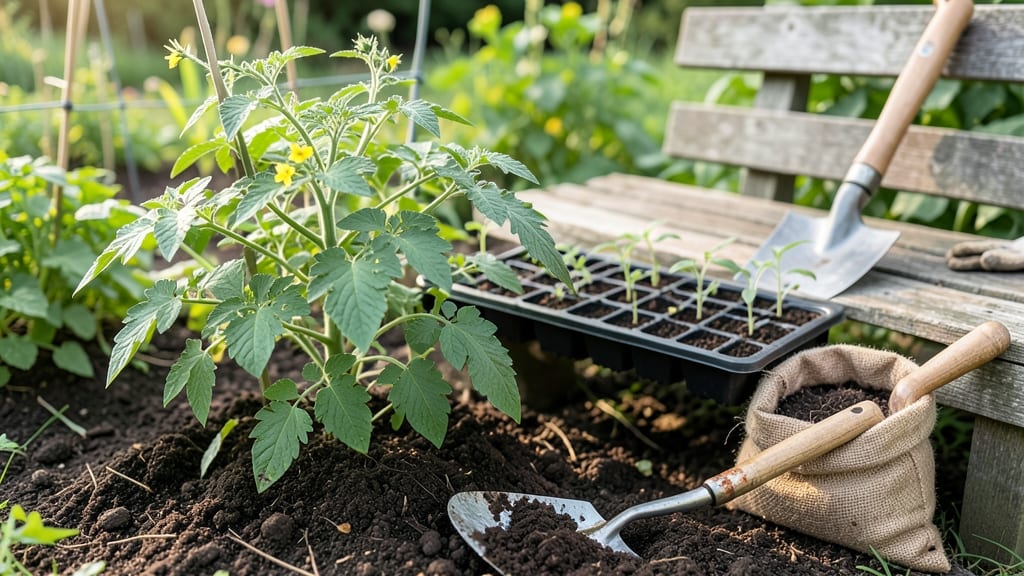
Planting tomatoes in Tennessee at the wrong time can mean the difference between a bountiful harvest of juicy 🍅 and a sad, frost-nipped failure.
The best time to plant tomatoes here isn't just about the calendar—it's about understanding your specific heat zone, soil temperature, and those tricky frost dates that vary from East to West Tennessee.
For most of Tennessee's 6a-7b zones, your window to plant tomatoes opens around April 15 and closes by May 15, right after the last frost date. But here's the catch: urban areas like Nashville can warm up faster, while mountain valleys stay cooler longer.
I'll show you how to adjust your timing based on where you live in the state.
Timing matters even more when you consider that tomatoes need 60°F soil to thrive and 180 frost-free days to reach maturity. Get this right, and you'll enjoy homegrown tomatoes from June through October. Miss the mark, and you might end up with stunted plants or no fruit at all.
In this guide, I'll break down the exact weeks before frost you should plant, which varieties work best in Tennessee's climate, and how to extend your growing season for those late-summer tomatoes. Let's make sure your tomato plants get the perfect start!
Tennessee tomato planting calendar: exact weeks before frost for heat zones 7a/7b
Timing your tomato planting in Tennessee is all about avoiding frost while ensuring soil warmth—two critical factors that separate a bountiful harvest from a failed garden.
In Heat Zones 7a/7b, the last spring frost typically arrives between April 15 and May 15, while the first fall frost hits October 15–November 1. Missing these windows can mean seedling loss or stunted growth from heat stress.
For spring planting, aim to transplant seedlings 2–3 weeks after your last frost date when soil temperatures consistently reach 60°F+.
This ensures strong root establishment before summer heat arrives. Fall planting is trickier but possible—start seeds indoors 8–10 weeks before your first frost (late July) for a late-season harvest.
Tomatoes thrive in warm soil, so use a soil thermometer to confirm readiness. Determinate varieties (like ‘Celebrity’) tolerate cooler temps better, while indeterminate types (like ‘Better Boy’) need warmer conditions to flourish. Below is your exact planting timeline tailored to Tennessee’s climate.
| Planting Stage | Action | Soil Temp | Weeks Before Frost |
|---|---|---|---|
| Start Seeds Indoors | 6–8 weeks before last frost | 65–75°F | 10–12 weeks |
| Transplant Seedlings | 2–3 weeks after last frost | 60°F+ | 4–6 weeks |
| Direct Sow Outdoor | After last frost, soil 70°F+ | 70°F+ | 3–5 weeks |
| Fall Planting (Indoors) | 8–10 weeks before first frost | 65–75°F | 8–10 weeks |
| Fall Transplant | 6–8 weeks before first frost | 60°F+ | 6–8 weeks |
Pro Tip: Use black plastic mulch to warm soil faster in spring or row covers to extend fall harvests by 2–3 weeks. These tricks help you beat frost and stretch your growing season in Tennessee’s unpredictable climate.
If you’re in East Tennessee (cooler microclimates), delay planting by 1–2 weeks to avoid late frosts. Conversely, West Tennessee’s longer summers allow for earlier spring and later fall plantings. Always check your local frost dates—the UT Extension and TN AgriNet offer updated forecasts.
For container gardening, start seeds 2 weeks earlier since pots heat up faster. Place containers in south-facing spots and use self-watering systems to maintain consistent moisture—critical for fruit set in Tennessee’s humid summers.
Avoid these mistakes: Planting too deep (bury stems 1–2 inches max), skipping hardening off (acclimate seedlings to outdoor temps over 7–10 days), or ignoring disease risks like early blight in wet springs. Use resistant varieties and proper spacing (18–24 inches apart) to improve airflow.
With this precision timing, you’ll enjoy homegrown tomatoes from June through October—or even later with fall extensions! The key is soil temp + frost dates + variety choice. 🌱
How to adjust planting for Tennessee’s microclimates: urban vs. rural timing differences
Tennessee’s diverse geography means your tomato planting schedule should shift based on whether you’re in Nashville’s urban heat island, East Tennessee’s cooler valleys, or West Tennessee’s extended growing season. These microclimates can create 2–4 week differences in ideal planting windows—missing this could mean frost damage or stunted growth.
Urban areas like Nashville and Memphis experience urban heat islands, where pavement and buildings trap warmth. This lets you plant 2–3 weeks earlier than rural areas, often by mid-April instead of late April. The UT Extension Service confirms soil warms faster in cities, giving you a head start.
In contrast, East Tennessee’s mountain regions (e.g., Knoxville, Chattanooga) face cooler microclimates due to elevation. Here, delay planting by 1–2 weeks—aim for late April to early May—since frost lingers longer in valleys. The USDA Zone 7a areas here often see last frosts as late as May 1.
West Tennessee’s longer growing season (especially in Zone 7b) lets you push fall planting later. While most regions wrap up by mid-September, areas like Jackson or Dyersburg can plant indeterminate varieties until early October for harvests before the first frost.
For erratic weather years, use row covers or black plastic mulch to warm soil faster in cool microclimates. In urban areas, shade from buildings can delay soil warming—place tomato cages south-facing to maximize sun exposure and compensate for lost heat.
Pro tip: Check your local Cooperative Extension Service (e.g., UT, TSU, or UT Martin) for hyper-local frost data. Their frost-free degree day calculators can refine your schedule by 5–7 days for your exact neighborhood.
Remember, determinate varieties (like ‘Celebrity’) tolerate cooler soils better, while indeterminate types (like ‘Better Boy’) need warmer conditions. Adjust your choices based on your microclimate’s last frost date!