
Plants
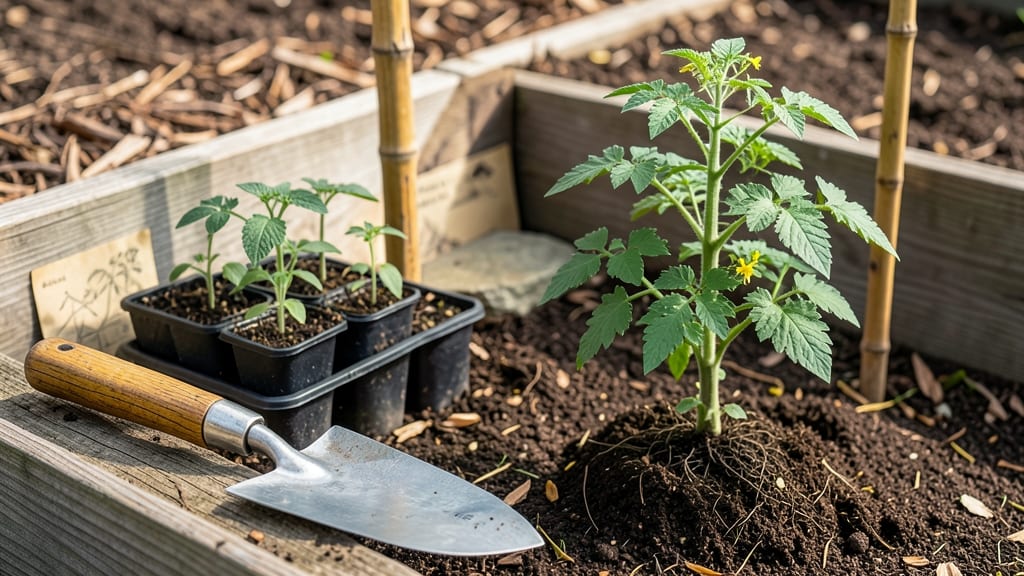
When is the best time to plant tomatoes in Oklahoma? Timing your 🍅 tomato planting just right can mean the difference between a bumper crop and wasted effort. Plant too early, and frost will nip your seedlings before they even get started.
Too late, and you’ll miss the sweet spot for maximum flavor and yield—especially in Zone 7b, where spring weather swings wildly.
Most gardeners in Oklahoma swear by planting after the last frost, but there’s more to it than just checking a calendar. Soil temperature matters just as much—60°F is the magic number for healthy root growth.
And if you’re in a microclimate like Oklahoma City or Tulsa, urban heat islands can push your planting window earlier than rural areas.
In this guide, I’ll break down the exact planting windows for both spring and fall, plus how to adjust for your specific corner of the state.
Whether you’re a first-time gardener or a seasoned pro, these tips will help you avoid common mistakes and get the most out of your 🍅 tomato plants.
Ready to grow tomatoes that burst with flavor? Let’s dive into the best times to plant—and how to keep them thriving all season long.
Oklahoma’s ideal tomato planting windows by last frost date
Timing your tomato planting in USDA Zone 7b is critical to avoid frost damage while maximizing your harvest potential. Oklahoma’s average last frost date typically falls around April 1, but this can vary by 1-2 weeks depending on microclimates.
For the best results, aim to plant transplants after April 15 and start seeds indoors by mid-March for early harvests.
Tomatoes thrive when soil temperatures reach at least 60°F (15°C), which usually occurs by late April in most of Oklahoma. Cold soil can stunt root growth and delay fruiting. Always check nighttime lows—consistent temperatures above 50°F (10°C) are ideal for seedling survival.
Here’s a quick reference for Oklahoma’s planting windows, including soil temperature thresholds and frost risk analysis based on 3-year historical data:
| Planting Method | Ideal Planting Window | Soil Temp Threshold | Frost Risk | Notes |
|---|---|---|---|---|
| Transplants | April 15–May 15 | 60°F+ (15°C+) | Low (after April 1) | Hardier than seeds; faster harvest |
| Seeds (Indoor Start) | Mid-March (transplant April 15) | 70°F+ (21°C+) for germination | High (if transplanted too early) | Requires grow lights; slower to mature |
| Fall Transplants | Late August–Early September | 60°F+ (15°C+) | Moderate (first frost Oct 30) | Extended harvest until frost |
| Container Tomatoes | April 20–May 10 | 60°F+ (15°C+) | Low (containers warm faster) | Move indoors if frost threatens |
For early spring planting, use black plastic mulch to warm soil faster and reduce frost risk. This method can push your planting window back by 1-2 weeks in cooler years.
Monitor local forecasts—Oklahoma’s Panhandle regions (Zone 7a) may need to wait until mid-April, while southeastern Oklahoma (Zone 8a) can plant as early as late March.
If you miss the spring window, don’t despair! Oklahoma’s fall planting (late August–early September) yields tomatoes just in time for holiday harvests. Choose determinate varieties for quicker maturity and protect seedlings with row covers if nighttime temperatures dip below 55°F (13°C).
Pro tip: Use a soil thermometer to confirm readiness—60°F (15°C) is non-negotiable for tomato roots. Planting too soon in cold soil leads to blossom end rot and stunted growth, wasting your time and resources.
Remember, Oklahoma’s 180 frost-free days are a gift for gardeners. By aligning your planting with soil temperature and frost data, you’ll enjoy bountiful harvests from June through October.
🌱
How to adjust planting dates for Oklahoma’s microclimates
Oklahoma’s diverse geography—from urban heat islands in Oklahoma City to cooler rural valleys—means your planting timeline should vary based on location. Microclimates can shift last frost dates by 2-3 weeks, so checking local records pays off.
For example, Tulsa’s average last frost is April 10, while Lawton’s is closer to April 15. Use these adjustments to fine-tune your schedule.
Urban areas like Oklahoma City often experience warmer microclimates due to pavement and buildings. This can let you plant transplants 7-10 days earlier than rural zones, but always confirm with your local Cooperative Extension Service.
Rural areas may need row covers to protect seedlings from late frosts, extending your window by 2-3 weeks.
🌱
| Location | Avg. Last Frost | Best Planting Window | Microclimate Tip |
|---|---|---|---|
| Oklahoma City | April 5 | April 15–May 1 | Urban heat delays frost; plant early |
| Tulsa | April 10 | April 20–May 5 | River valleys stay cooler; monitor temps |
| Lawton | April 15 | April 25–May 10 | Drier climate; water deeply after planting |
| Altus | April 20 | May 1–May 15 | Higher elevation; use row covers for early starts |
For continuous harvests, try succession planting every 2 weeks after your first planting. This works especially well in urban containers, where you can stagger transplants without space issues. Pair this with heat-tolerant varieties like ‘Solar Fire’ to extend your season into late summer.
If you’re in a cooler microclimate, consider cold frames or low tunnels to warm soil faster. These can add 3-4 weeks to your growing season, letting you plant earlier or harvest later. Just remember to remove covers once nighttime temps stay above 55°F (13°C) to avoid overheating.
Don’t forget about fall planting! Oklahoma’s first frost rarely hits before October 30, so you can still transplant heat-resistant varieties in late August. This gives you a second harvest before winter sets in. Just choose determinate varieties (like ‘Roma’ or ‘Celebrity’) that ripen faster in cooler weather.
🌿