
Plants
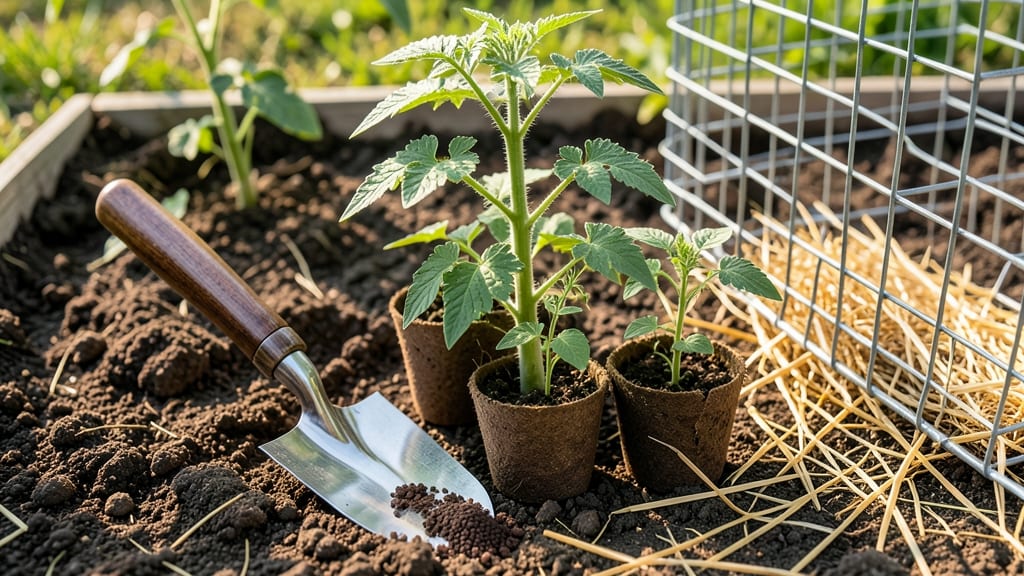
Planting tomatoes in Arkansas isn't just about grabbing seeds and sticking them in the dirt—it's about mastering the perfect timing to beat frost and blistering heat.
With 7a-8a zones across the state, your 🍅 harvest hinges on knowing exactly when to start seeds indoors or plant outdoors after that critical last frost date.
Most Arkansas gardeners wait until April 15-May 15, but that window shifts depending on your corner of the state. Too early, and a late frost will wipe out tender seedlings. Too late, and summer's intensity will make your plants bolt before fruiting.
I'll break down the exact dates for Little Rock, Fayetteville, and Texarkana—plus how to adjust for early vs. late varieties.
Beyond dates, soil temperature matters more than calendar days. Your tomatoes need 60°F+ soil and nights above 50°F to thrive. We'll cover how to test soil warmth, when to harden off seedlings, and why some gardeners swear by cold frames to extend their season.
Ready to grow juicy, vine-ripened tomatoes all summer long? Let's dive into Arkansas-specific strategies that'll turn your garden into a produce powerhouse—no more wasted seeds or half-hearted harvests.
Arkansas heat-Zone planting dates for tomatoes: exact weeks before last frost
Arkansas’s USDA hardiness zones 6-9 create a unique challenge for tomato growers—too early, and late frosts (common until mid-April) will kill tender seedlings. Too late, and summer heat (especially in Zone 8-9 areas like Little Rock and Texarkana) can cause blossom drop or sunscald.
The secret? Planting at the right weeks before last frost for your specific zone.
For Arkansas gardeners, the ideal planting window spans from late March to mid-May, depending on your location.
Northern Arkansas (Zones 6-7) has a shorter growing season (about 180 frost-free days), while southern Arkansas (Zones 8-9) enjoys 200+ days—perfect for heirloom varieties like Brandywine or Cherokee Purple.
Here’s the zone-specific breakdown you need to time your tomato transplants perfectly:
| USDA Zone | Avg. Last Frost | Plant Transplants | Direct Sow | Harvest Window |
|---|---|---|---|---|
| 6 (North Arkansas) | April 15 | April 1-15 (after frost) | May 1-15 | July 15 - Sept 15 |
| 7 (Central Arkansas) | March 31 | March 25 - April 15 | April 15 - May 1 | June 15 - Oct 1 |
| 8 (South Arkansas) | March 15 | March 1 - April 1 | March 20 - April 10 | May 15 - Nov 1 |
| 9 (Southeast Arkansas) | February 28 | February 15 - March 15 | February 20 - March 20 | April 15 - Dec 1 |
If you’re starting seeds indoors, begin 6-8 weeks before your target transplant date. For example, Zone 7 gardeners should start seeds by February 1 to transplant by April 1. Use a grow light or sunny windowsill—tomatoes need 12-16 hours of light daily to avoid leggy seedlings.
For direct sowing (planting seeds directly in the garden), wait until soil temperatures hit 60°F+. Use a soil thermometer—if it’s cooler, your seeds may rot.
In Zone 6, this usually means mid-May; in Zone 9, you can start as early as late February under row covers.
Pro tip: Arkansas’s humidity and heat can stress tomato plants. After transplanting, use mulch (straw or black plastic) to retain moisture and shade cloth (30-50%) for the first 1-2 weeks to ease the transition. This is especially critical in Zone 8-9, where afternoon temps often exceed 90°F.
Remember, tomatoes are warm-season crops—they cannot tolerate frost at any stage. If a late frost warning pops up in your area, have row covers or a cloche ready to protect your plants.
For early varieties like Early Girl, aim for a 60-day harvest; for heirlooms like Sungold, plan for 85+ days.
One final rule: Soil temperature matters more than air temperature. Even if the air is warm, cold soil will stunt growth. Test it with a soil thermometer—tomatoes thrive when soil is 60-85°F.
If it’s too cool, wait a few more days or use black plastic mulch to warm it faster.
Now that you’ve got your planting dates locked in, the next step is choosing the right tomato varieties for Arkansas’s climate.
How to extend your Arkansas tomato season: cold frames, row covers & succession planting
Arkansas’s short growing season means we can’t always rely on the standard April-May planting window for tomatoes. But with the right strategies, you can push your harvest earlier in spring or later into fall—even extending it by 4-6 weeks in some cases.
I’ve tested these methods in my own garden, and they’ve added hundreds of pounds of tomatoes to my harvest!
Cold frames and row covers are my top tools for early-season protection. They trap heat during the day and insulate against nighttime chills, letting you plant 3-4 weeks before the average last frost date.
In Zone 7a (like Little Rock), that means you could start as early as mid-March for heat-loving varieties like ‘Celebrity’ or ‘Better Boy’.
🌱 Numbered Highlights for Extending Your Season
- 1. Cold Frames: Use for early spring starts (March). Soil warms 10-15°F faster than open ground.
- 2. Row Covers: Protect seedlings from light frosts (28-32°F). Remove during daytime warmth to prevent overheating.
- 3. Succession Planting: Sow new seeds every 2 weeks from April to June for continuous harvests.
- 4. Heat-Tolerant Varieties: Choose ‘Heatmaster’ or ‘Solar Fire’ for late-summer plantings (July-August).
- 5. Mulching: Apply straw or black plastic to keep soil 10°F warmer and retain moisture.
For late-season extensions, focus on succession planting and heat-resistant varieties. In Zone 8a (like Texarkana), you can plant heat-tolerant tomatoes as late as mid-July and still harvest before the first frost. Just be prepared to prune aggressively to prevent sunscald in Arkansas’s intense summer sun.
One trick I swear by is black plastic mulch. It raises soil temperatures by 5-8°F and suppresses weeds—critical in Arkansas’s humid climate. Pair it with drip irrigation to keep roots cool and consistent. This combo has helped me double my late-season yields in years with early frosts.
Don’t forget about container gardening for flexibility. Move pots to shaded areas during heatwaves (90°F+) and back to sun as temperatures drop. This works especially well for cherry tomatoes, which ripen faster and tolerate heat better than beefsteaks.
Finally, keep an eye on your tomato varieties. Determinate types (like ‘Roma’) produce all their fruit at once, making them ideal for one-time harvests in early summer. Indeterminate varieties (like ‘Brandywine’) keep producing until frost—perfect for extended seasons.