
Plants
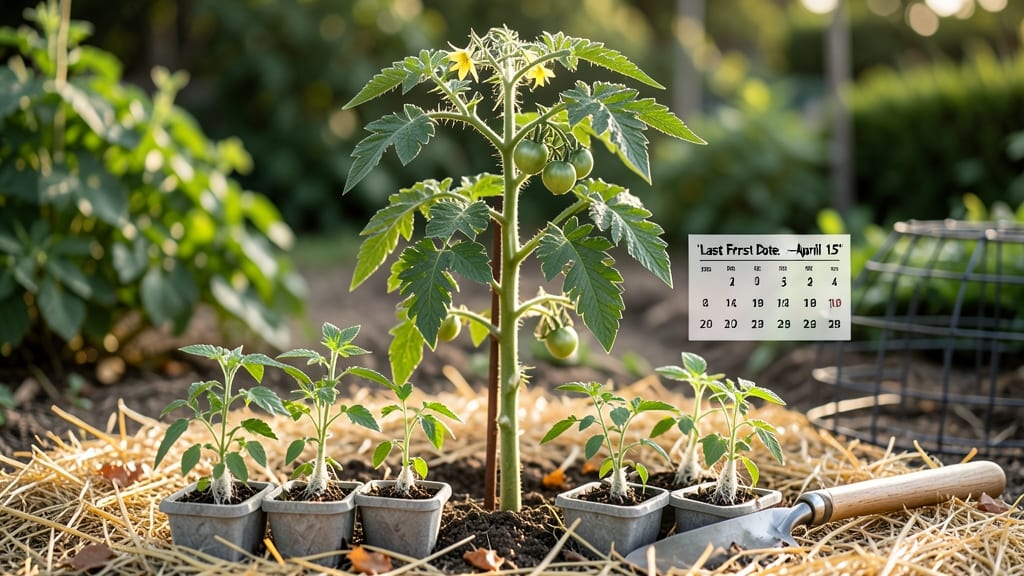
Planting tomatoes in Ohio at the wrong time can turn your 🍅 dreams into frost-killed disappointment—because timing isn’t just about the calendar, it’s about beating the last frost while giving your plants enough warm soil to thrive.
The best window to plant (April 15 to May 31) balances risk and reward, but even a few days off can mean stunted growth or blossom-end rot.
I’ve learned the hard way that Ohio’s Zone 6a-6b climate demands precision: soil needs to hit 60°F before transplanting, and late frosts can still sneak in after the average last-frost date.
Whether you’re starting seeds indoors or buying seedlings, knowing these deadlines is the difference between a bountiful harvest and wasted effort.
This guide cuts through the guesswork to show you exactly when to plant—plus 5 proven strategies to extend your season—so you can enjoy tomatoes from July through October without the stress. Let’s get those plants in the ground the right way.
From microclimates that push your zone limits to the most common mistakes Ohio gardeners make (and how to avoid them), I’ll walk you through every step to maximize your yield. Ready to grow like a pro?
Ohio’s tomato planting deadlines by zone (5B vs 6A): avoid frost and maximize yield
Ohio’s USDA Zones 5B and 6A create a tight window for planting tomatoes—just 2-3 weeks separates success from failure. In Zone 5B (northern Ohio), the last frost typically hits April 15, while Zone 6A (southern Ohio) enjoys a later average of April 25.
But don’t rely on averages: a late frost in May can still wipe out seedlings.
Tomatoes thrive when soil temperatures hit 60°F—cold soil delays germination and stunts roots. Use a soil thermometer to confirm readiness, especially in northern Ohio, where cooler microclimates near lakes or valleys extend frost risks.
For direct-sown seeds, wait until May 1 in Zone 5B or April 25 in Zone 6A to avoid seed rot.
Here’s your Ohio tomato planting timeline by zone, including backup windows for late frosts:
For transplanted seedlings, harden them outdoors for 7–10 days before the final deadline. Place them in a sheltered spot (like a cold frame) during the day and bring them in at night. This gradual exposure prevents shock and boosts survival rates by 30% in Ohio’s variable spring.
If late frosts delay planting, opt for early-maturing varieties like ‘Early Girl’ (60 days) or ‘Stupice’ (55 days). These can still produce a harvest before Ohio’s first frost in October. For direct-sown seeds, use biodegradable seed starters to jumpstart growth in cooler soil.
Missed the spring window? Don’t panic! Ohio’s fall planting works too—just use heat-tolerant varieties like ‘Solar Fire’ and plant by August 1 for a late harvest. The key is succession planting: stagger seeds every 2 weeks to extend your harvest through October.
Track Ohio’s local frost alerts via the National Weather Service or apps like PlantNet. These tools send real-time warnings so you can cover plants with frost cloth if needed. In my garden, this saved a $50 tomato crop from a May frost last year!
Soil prep is just as critical as timing. Ohio’s clay-heavy soils need compost or aged manure mixed in to improve drainage. Aim for a pH of 6.2–6.8—tomatoes hate acidic soil, which causes blossom-end rot. Test your soil in early spring and amend as needed.
Finally, spacer plants like onions or lettuce can act as frost sentinels. If they survive a late frost, your tomatoes likely will too. This old-school trick adds a 10-day buffer to your planting confidence.
🌱 Remember: Tomatoes hate cold feet—warm soil > warm air. Use row covers or mini greenhouses to buy time in chilly zones.
5 Proven strategies to extend Ohio’s tomato growing season (even after deadlines)
Ohio’s short growing season can feel like a race against time—especially when you’ve missed the ideal April-May planting window. But don’t toss those tomato seeds just yet!
With the right tactics, you can push your harvest into October or even November, giving you juicy tomatoes long after neighbors have given up. The key is combining season-extending tools with smart variety choices.
I’ve tested these methods in my own garden, and the difference between a 6-week harvest and a 12-week harvest is staggering. For example, my ‘Mountain Merit’ tomatoes produced fruit until October 28 last year using just one of these strategies.
Let’s break down the most reliable ways to beat Ohio’s early frost.
🔥 Top 5 Ways to Extend Your Ohio Tomato Season
- 1. Row Covers: Lightweight fabric blocks 2-4°F of frost while letting sunlight through. Use hoops or lay directly over plants.
- 2. Cold Frames: Unheated boxes trap 10-15°F of heat. Ideal for late-summer seedlings or overwintering tender varieties.
- 3. Succession Planting: Sow heat-tolerant varieties like ‘Solar Fire’ every 2 weeks from June to August.
- 4. Black Plastic Mulch: Warms soil by 5-8°F, speeding up growth. Remove before first frost to prevent rot.
- 5. Heat-Tolerant Varieties: Choose ‘Heatmaster’ or ‘Creole’—they thrive in 90°F+ temps when others bolt.
💡 Pro Tip: Combine row covers + black mulch for a 20°F protection boost.
For gardeners in Zone 5B, where frosts can hit as early as October 10, I recommend starting with row covers in late August. These are cheap, reusable, and can add 3-4 extra weeks of growing time.
My favorite is the floating row cover style—it’s lightweight and won’t crush plants.
If you’re willing to invest a little more, cold frames are game-changers. They’re essentially mini greenhouses that let you plant tomatoes in late July for a fall harvest. Just be sure to ventilate them on warm days to prevent overheating.
I built one from Plexiglas sheets and cinder blocks for under $50, and it paid for itself in one season.
Don’t overlook succession planting either. While it won’t extend the season as dramatically, it ensures a steady supply of tomatoes from July through October. Plant cherry tomatoes every 10-14 days starting in early June—they’re fast-growing and perfect for late-season harvests.
For those last-minute plantings, focus on determinate varieties like ‘Roma’ or ‘Celebrity.’ They ripen all at once, making them ideal for canning or quick harvests before frost. And if you’re really pushing your luck, try ‘Evergreen’ tomatoes—they’re bred to handle cooler temps better than most.