
Planting
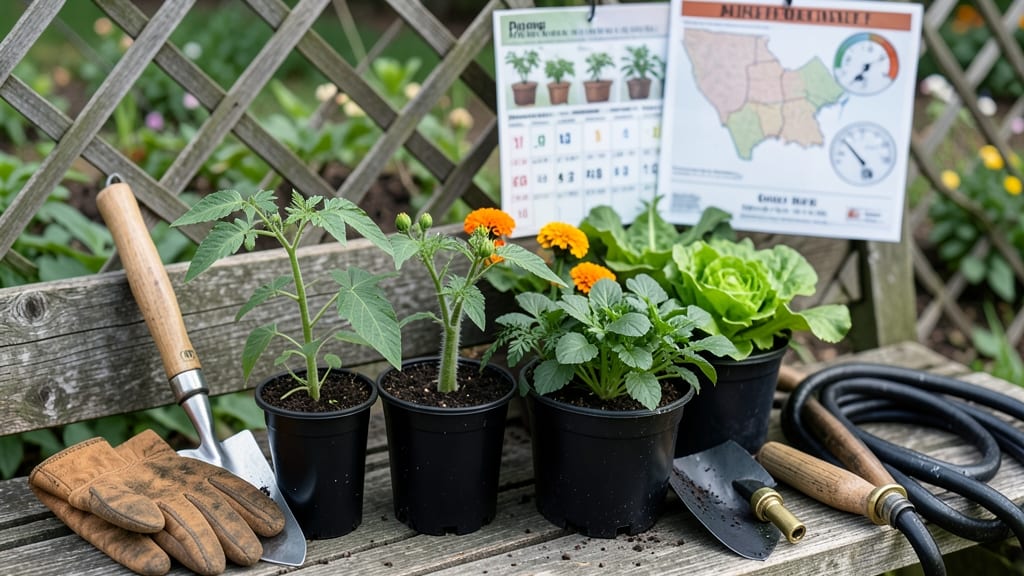
Planting your garden at the wrong time in Ohio can mean the difference between a bountiful harvest and a sad pile of wilted seedlings. The best time to plant depends on heat zones, frost dates, and what you're growing—so let’s cut through the guesswork with a foolproof month-by-month guide.
Ohio’s 6a climate zone gives you a 165-day growing season, but that doesn’t mean you can just toss seeds in the ground whenever. Cool-season crops like lettuce and peas thrive in early spring, while tomatoes and peppers need warmer soil—so timing is everything.
I’ll show you exactly when to start seeds indoors, transplant seedlings, and even extend your season with smart tricks.
Whether you’re a first-time gardener or a seasoned green thumb, knowing when to plant in Ohio can save you from costly mistakes. From preparing your soil in March to harvesting into October, this guide covers all the critical windows—plus how to adjust for northern vs. southern Ohio’s microclimates.
Ready to turn your Ohio garden into a thriving oasis? Let’s dive into the month-by-month heat zone guide that’ll have you planting with confidence—and reaping the rewards all season long.
Ohio’s planting heat zones: when to start seeds vs transplanting vegetables
Ohio’s gardening success hinges on understanding its USDA Hardiness Zones 5b-6a and average last frost dates, which range from early April in southern Ohio to mid-May in the north.
These zones determine when to start seeds indoors versus transplanting seedlings outdoors. For example, tomatoes and peppers need warmer soil, while lettuce and spinach thrive in cooler temperatures.
Northern Ohio (Zones 5b) typically has a shorter growing season, with frost-free days averaging 165. Southern Ohio (Zone 6a) enjoys an extra 2-3 weeks of warmth. This means gardeners in Toledo and Columbus can plant earlier than those in Cleveland or Youngstown.
Always check your local Ohio State University Extension for precise frost dates.
Here’s how to align your planting with Ohio’s zones and frost patterns:
| Zone & Location | Last Frost Date | Start Seeds Indoors | Transplant Outdoors | Direct Sow Outdoors |
|---|---|---|---|---|
| Zone 5b (Northern OH: Cleveland, Toledo) | Mid-May | Early March (peppers, tomatoes) | Late May (after frost) | Early May (cool crops) |
| Zone 6a (Southern OH: Columbus, Cincinnati) | Early April | Late February (peppers, eggplants) | Mid-April (tomatoes, basil) | Late March (spinach, peas) |
| All Zones | N/A | April (herbs, lettuce) | June (fall crops) | July (beans, cucumbers) |
For cool-season crops like kale, broccoli, and carrots, start seeds indoors 4-6 weeks before your last frost date.
These plants tolerate light frosts, so you can even direct-sow them 2-3 weeks before the last expected frost. Warm-season crops like tomatoes, peppers, and squash need soil temperatures above 60°F (15°C) to thrive, so wait until after your last frost to transplant them.
Use row covers or cold frames to extend your planting window for heat-sensitive crops. For example, you can start tomato seedlings indoors in early March and transplant them outdoors in late May, even in northern Ohio.
This gives your plants enough time to mature before the first frost in mid-October.
Soil temperature is just as critical as air temperature. Use a soil thermometer to confirm the ground is warm enough before planting. For warm-season crops, aim for 70°F (21°C) or higher. In Ohio, this typically aligns with late May for northern regions and early May for southern regions.
Pro tip: Succession planting is key in Ohio’s short growing season. After harvesting early crops like radishes or lettuce, replant with fast-growing varieties like bush beans or zucchini to maximize your yield. This ensures your garden stays productive from April through October.
If you’re new to Ohio gardening, start with low-risk crops like peas, radishes, and lettuce, which tolerate cooler temperatures and shorter growing seasons. These plants give you confidence while you learn your local microclimate.
Always monitor weather forecasts and adjust your planting timeline accordingly. A late frost can delay your outdoor plantings by weeks, so flexibility is key. With the right timing, Ohio’s gardeners can enjoy a bountiful harvest despite its unpredictable weather patterns. 🌱
Month-by-month Ohio planting calendar: what to sow in each zone
Ohio’s diverse climate zones mean your March planting in southern Ohio might differ drastically from northern regions. Use this month-by-month guide to align your seed starting and transplanting with Ohio’s frost-free windows.
For northern Ohio (zones 5b-6a), aim for mid-April last frost dates, while southern Ohio (zones 6b-7a) can start 2-3 weeks earlier. Always check soil temperatures—40°F (4°C) for cool crops and 60°F (15°C) for warm-season plants.
- March: Start indoor seeds (tomatoes, peppers) and plant hardy greens (spinach, kale) in southern Ohio only.
- April: Transplant cool crops (broccoli, cabbage) and direct-sow peas/radishes after last frost (use row covers for protection).
- May: Plant warm-season crops (beans, squash) when soil hits 60°F (15°C); succession-sow lettuce.
- June: Direct-sow heat-loving crops (okra, sweet potatoes) and transplant late-season tomatoes.
- July-August: Succession plant fall crops (carrots, beets) for harvest before frost.
- September: Plant cold-hardy crops (garlic, onions) and cover tender plants with frost cloth.
Ohio’s microclimates matter—urban gardens often warm up faster than rural areas. Use local frost data from the Ohio State University Extension to adjust timelines. For example, Columbus averages April 15 last frost, while Toledo waits until May 1.
Pro tip: Test soil moisture before planting—dry soil in May can stunt seedlings. Water deeply 2 days before transplanting to reduce shock. Morning watering prevents fungal diseases like powdery mildew, common in Ohio’s humid summers.
Extend your fall harvest by planting fast-maturing crops like bush beans or radishes in late August. Use black plastic mulch to warm soil for early spring plantings or cool it in summer for leafy greens.
Remember: Ohio’s first frost typically arrives October 15, but microclimates (like south-facing slopes) can delay frost by 2-3 weeks. Plan your fall garden accordingly to avoid wasted effort or frost damage.