
Plants
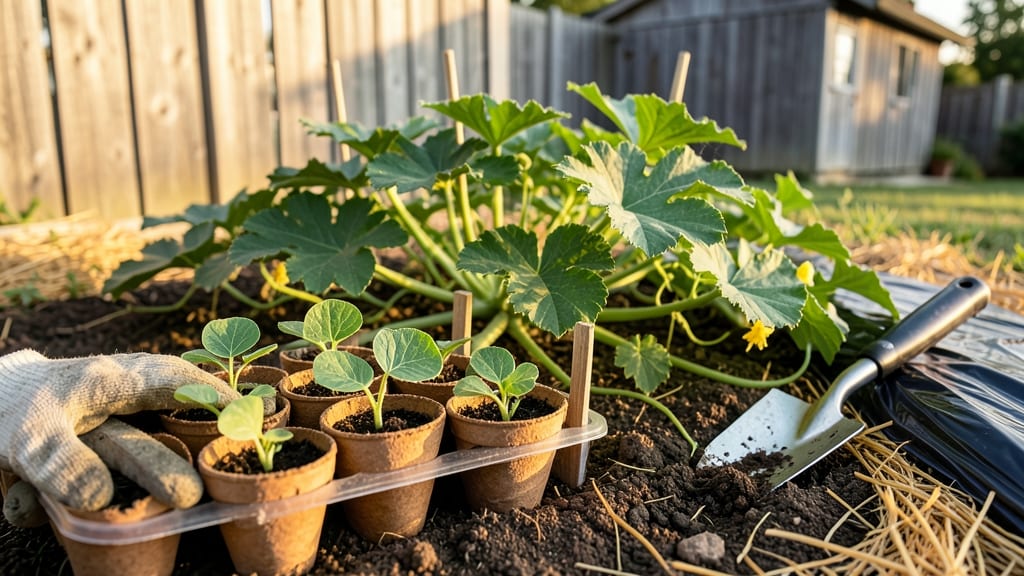
Planting watermelons in Georgia at the wrong time can mean the difference between a juicy summer harvest and a sad, wilted vine.
The key to success lies in waiting until soil temperatures hit at least 70°F—typically between mid-April and early June—when the last frost has long faded from memory.
Georgia’s 7b–8a climate gives you a long growing season, but rushing your 🍉 plants too early can leave them vulnerable to chilly nights. Whether you’re direct-sowing seeds or transplanting seedlings, timing matters more than you might think—especially when you’re eyeing that first ripe slice by July.
In this guide, I’ll break down the exact planting window for your zone, plus pro tips for soil prep and varieties that thrive in Georgia’s heat. No more guessing—just a foolproof timeline to turn your garden into a watermelon oasis.
Ready to grow watermelons that rival the ones at the farmers’ market? Let’s get started with the perfect planting schedule for your Georgia garden.
Georgia’s watermelon planting timeline by heat zone (best months for zero-frost success)
Georgia’s USDA zones 7b-8a create the perfect heat zone for watermelons, but timing is everything. Plant too early, and frost will kill tender seedlings. Wait too long, and your harvest arrives too late in the season.
The key is understanding your last frost date and soil warmth—both critical for watermelon success in Georgia.
Most of Georgia experiences its last frost between mid-March and early April, but the real window for planting opens when soil temperatures hit 70°F (21°C). In northern Georgia (Zone 7b), this usually means waiting until late April to early May.
In southern Georgia (Zone 8a), you can start as early as mid-April—but never rush it.
Here’s the breakdown of your planting timeline by region, including when to start seeds indoors (if using transplants) and when to direct sow for maximum yield:
| Zone | Last Frost Date | Start Seeds Indoors | Direct Sow Window | Soil Temp Threshold | Harvest Window |
|---|---|---|---|---|---|
| 7b (North GA) | Mid-March | Late March | Late April - Early May | 70°F+ (21°C) | July - Early Sept |
| 8a (South GA) | Early March | Mid-March | Mid-April - Late April | 70°F+ (21°C) | June - Late Sept |
*Harvest windows extend into October in microclimates with warmer soil.
For transplants, start seeds indoors 4-6 weeks before your target outdoor planting date. Georgia gardeners often use black plastic mulch to warm the soil faster, allowing earlier planting. If you’re direct sowing, wait until nighttime temperatures stay above 55°F (13°C)—cold nights stunt growth.
Pro tip: Use a soil thermometer to confirm warmth. Watermelon seeds won’t germinate below 60°F (16°C), and slow starts delay your harvest. In cooler microclimates (like the Appalachian foothills), consider row covers to protect young plants until soil warms fully.
Georgia’s extended growing season means you can even try a second planting in late June for a fall harvest. Choose fast-maturing varieties like ‘Sugar Baby’ (65 days) or ‘Crimson Sweet’ (75 days) to ensure fruit ripens before the first frost (typically late November).
Just be prepared to provide extra care if temperatures dip early.
Remember: Watermelons thrive in heat and humidity, so Georgia’s climate is ideal—but only if you plant at the right time. Rushing leads to poor germination, while waiting too long cuts your harvest short. Aim for mid-April to early June for the sweetest, most abundant crop.
🌱
How to prepare your Georgia garden for watermelon success (soil, spacing, and sun requirements)
Before you even think about planting those watermelon seeds, your Georgia garden needs the perfect foundation. Watermelons are heavy feeders and need well-draining, fertile soil with a pH between 6.0 and 6.8—slightly acidic to neutral.
Test your soil first using a home test kit or send a sample to your local UGA Extension office for professional analysis.
If your soil is too heavy or clay-like, mix in 2-3 inches of compost or aged manure to improve drainage and nutrient retention. Georgia’s warm climate means nutrients deplete quickly, so don’t skip this step—your plants will thank you with bigger, sweeter melons.
For container growing, use a lightweight potting mix blended with perlite for aeration.