
Plants
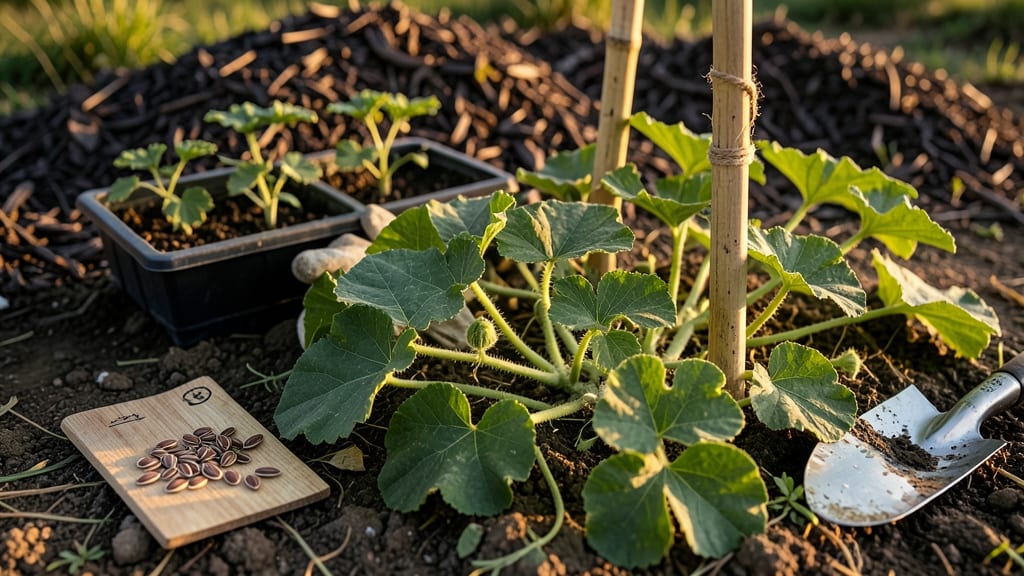
Planting watermelon in Florida isn’t just about throwing seeds in the dirt—it’s about working with the heat to get that perfect 🍉 harvest. The key is timing: too early, and you risk stunted growth; too late, and the summer sun can stress your plants before they bear fruit.
Florida’s unique climate means you’ve got two prime windows—spring and late summer—but getting the exact dates right makes all the difference.
Most Florida gardeners swear by mid-March to early May for spring plantings, when soil temperatures finally hit that sweet spot of 70°F.
But if you’re in the northern part of the state, like the 9a-11 zones, you might want to wait a little longer to avoid any lingering cool snaps.
For a fall harvest, late July to early September is your best bet—just in time to beat the worst of the summer heat while still giving your melons enough time to mature.
Here’s the game-changer: whether you start seeds indoors or go straight for direct sowing, the rules change based on your microclimate. Coastal areas? You might have a few extra weeks of cooler soil.
Inland? The ground heats up faster, so you could push your planting window earlier. I’ll break down exactly how to adjust your schedule so you’re not guessing—just planting with confidence.
Ready to grow watermelons that are sweeter and more abundant than ever? Let’s dive into the exact planting calendar, soil prep secrets, and how to avoid the most common mistakes Florida gardeners make. Your next juicy harvest starts with the right timing—and I’ve got you covered.
Florida’s watermelon planting calendar: best months by heat zone
Florida’s 300+ frost-free days create a unique advantage for watermelon growers, but even here, timing matters. Unlike northern states, we don’t worry about frost, but soil temperature and heat stress dictate the perfect planting windows.
For most of Florida, the ideal soil temp is 70°F or warmer, which typically aligns with mid-March to early May for spring plantings and late July to early September for late-summer harvests.
Florida’s 11 heat zones (A1–B3) further refine these windows.
Northern zones like Jacksonville (Zone 8b) can start 2-3 weeks earlier than Miami (Zone 10b), where summer heat arrives sooner. Heat zone B3 (southern tip) may even attempt fall plantings in October, though yields are often smaller due to shorter daylight.
Here’s the breakdown you need to avoid heat stress or premature bolting—both common mistakes in Florida’s intense summers.
🌱 Florida Watermelon Planting by Heat Zone
| Heat Zone | Spring Planting Window | Late Summer Planting | Soil Temp Requirement | Harvest Window |
|---|---|---|---|---|
| A1 (North FL: Jacksonville) | Mid-March to early April | Late July to early August | 70°F+ (consistent) | June–August |
| A2 (Gainesville) | Late March to mid-April | Early August to mid-August | 70°F+ (consistent) | June–September |
| B1 (Orlando) | Early April to late April | Mid-August to early September | 70°F+ (consistent) | June–October |
| B2 (Tampa) | Late March to early May | Early August to late August | 70°F+ (consistent) | June–November |
| B3 (Miami) | February to early April | July to early September | 70°F+ (consistent) | April–December |
💡 Pro Tip: Use a soil thermometer to confirm temps before planting—60°F soil will stunt growth.
For Zone A1 (North FL), I recommend staggered plantings every 2 weeks from March to May to extend harvests.
In Zone B3 (South FL), fall plantings in October can work but often produce smaller melons due to shorter daylight. Heat-tolerant varieties like ‘Sugar Baby’ or ‘Crimson Sweet’ thrive in these zones, while ‘Charleston Gray’ prefers cooler spring conditions.
Direct-sowing seeds is ideal in Florida—transplants shock easily in our heat. Plant seeds 1 inch deep, 2 feet apart in rows 6 feet apart to accommodate 6-10 ft vines.
If you’re in Zone A1 or A2, consider black plastic mulch to warm soil faster in early spring. In Zones B2–B3, shade cloth (30%) during peak summer
How to adjust your planting schedule for Florida’s microclimates
Florida’s microclimates can feel like growing in two different states—especially when it comes to watermelon planting. Coastal areas like Miami-Dade stay warmer longer, while inland spots near Orlando or Tallahassee can have cooler soil for weeks.
Even a 5-mile difference can shift your ideal planting window by 2-3 weeks. The key is understanding how your local conditions affect soil temperature and humidity, then adjusting your schedule accordingly.
If you’re near the coast, you might start seeds 2 weeks earlier than inland gardeners because ocean breezes moderate temperatures. In contrast, inland areas heat up faster—sometimes by 10°F+—so you could plant 1-2 weeks sooner without risking cold soil.
Urban heat islands (like Jacksonville) can also give you an edge, allowing earlier starts in March when rural areas still have chilly nights.
Here’s my pro tip: Use a soil thermometer ($10 at garden centers) to check when temperatures hit 70°F+ at 2 inches deep. This is your green light for planting—no guessing!
Coastal gardeners often hit this mark by mid-February, while inland areas may not reach it until late March. If your soil is still cool, hold off—watermelon seeds won’t germinate well below 65°F, and slow starts lead to weak vines.
🌱 Visual Guide: Adjusting Your Planting Window by Microclimate 🌱
For gardeners in North Florida (USDA zones 8a-9a), like Panama City or Gainesville, I recommend a two-phase approach: Start a few seeds indoors in late February under grow lights, then transplant outdoors once soil warms.
This gives you a 3-week head start on the heat. In South Florida (zones 10a-11), you can direct-sow as early as mid-February—just protect seedlings with shade cloth (30-50%) if daytime temps exceed 90°F.
Don’t overlook organic mulching to extend your season. Black plastic mulch can raise soil temps by 5-10°F, letting you plant 1-2 weeks earlier in cooler areas. Straw mulch, on the other hand, helps retain moisture in hot, dry inland zones like Lakeland or Ocala.
Pro move: Combine both—use black plastic to warm soil, then top with straw to keep roots cool during peak summer.
Finally, keep an eye on humidity levels. Coastal areas with high humidity (like Naples) may need better airflow to prevent fungal diseases, while drier inland zones (like Palm Bay) benefit from drip irrigation to avoid wetting leaves.
Adjust your watering schedule based on your microclimate—coastal gardeners might water every 2 days, while inland areas could stretch it to every 3 days once established.