
Plants
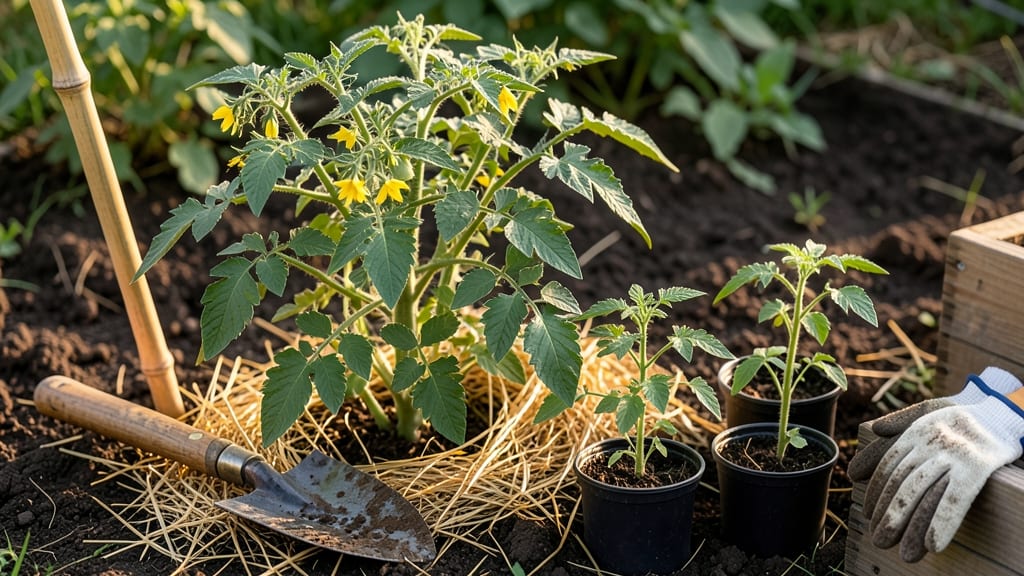
Planting tomatoes in Pennsylvania isn’t just about waiting for spring—it’s about matching your 🍅 varieties to your local chill hours and frost dates to guarantee a bountiful harvest.
With USDA zones ranging from 5b to 7a, timing your tomato planting can mean the difference between a thriving garden and a wasted effort.
Most gardeners in Pennsylvania start seeds indoors by mid-March to early April, giving seedlings a head start before transplanting them outdoors after the last frost—typically around mid-April to mid-May.
But if you’re direct-sowing, wait until the soil warms to at least 60°F and all frost risk has passed, usually by late May.
This guide breaks down the exact planting windows for your zone, including how to adjust for early or late varieties. You’ll learn how to use Penn State Extension resources to fine-tune your schedule, avoid common mistakes, and extend your growing season for a longer harvest.
Whether you’re a first-time gardener or a seasoned pro, getting the timing right is the key to sweet, homegrown tomatoes all summer long. Let’s get started!
Pennsylvania’s tomato planting timeline by hardiness zone (with frost dates)
Pennsylvania spans USDA zones 5b through 7a, meaning your last frost date can vary dramatically—from mid-April in southern PA to late May in the Poconos. Tomatoes (Solanum lycopersicum) are frost-sensitive, so timing is everything.
Plant too early, and a late frost will kill your seedlings. Too late, and your harvest shrinks. The key is matching your local frost dates with soil temperatures of at least 60°F.
For most of Pennsylvania, the ideal transplant window is mid-April to mid-June, but this shifts 1-2 weeks later in northern zones. Direct sowing outdoors should wait until after the last frost and when nighttime temps stay above 50°F.
Southern PA gardeners can start indoor seeds in early March, while northern zones should begin late March to early April.
Here’s how to pinpoint your exact planting window using Pennsylvania’s three main regions—each with its own frost patterns and chill-hour needs:
| Region | USDA Zone | Avg Last Frost | Transplant Window | Direct Sow Window | Chill-Hour Notes |
|---|---|---|---|---|---|
| Southern PA (e.g., Philadelphia, Pittsburgh) | 6a-7a | April 15–May 1 | April 20–May 15 | May 10–June 1 | Low chill needs (300–500 hrs) |
| Central PA (e.g., Harrisburg, State College) | 6b-7a | April 25–May 10 | May 1–May 30 | May 15–June 10 | Moderate chill (500–700 hrs) |
| Northern PA (e.g., Scranton, Poconos) | 5b-6a | May 10–May 25 | May 15–June 10 | June 1–June 20 | High chill (700–900 hrs) |
Use this table as a starting point, but always verify with your local frost dates from the Penn State Extension or National Weather Service. For example, a late frost in April can delay your planting by 2–4 weeks—so stay flexible.
Pro tip: Plant fast-maturing varieties (like ‘Early Girl’) in cooler zones to ensure a harvest before fall frosts arrive.
Soil temperature is just as critical as air temperature. Tomatoes won’t thrive in cold soil. Use a soil thermometer to confirm temps are 60°F+ at a 4-inch depth.
In cooler zones, black plastic mulch can raise soil temps by 5–10°F, giving you an earlier start. Pair this with row covers for extra frost protection if needed.
Don’t forget about succession planting! In Pennsylvania, you can often squeeze in two tomato crops by planting early varieties in May and late varieties in June. This works especially well for determinate tomatoes, which produce fruit all at once.
For indeterminate varieties, focus on one main planting in early June for a longer harvest window.
If you’re growing heirloom tomatoes, which often have higher chill-hour requirements, start seeds indoors 8–10 weeks before your last frost. Hybrid varieties typically need fewer chill hours, so they’re better suited for northern PA’s shorter seasons.
Always check the seed packet for days to maturity—this tells you how long until harvest, helping you avoid planting too late.
For a foolproof approach, combine these strategies: use row covers for early plantings, mulch to warm soil, and choose varieties matched to your zone. With the right timing, you’ll beat Pennsylvania’s unpredictable springs and enjoy tomatoes from July through October. 🌱
How to adjust planting time based on tomato variety and chill-hour needs
Pennsylvania’s chill-hour requirements vary dramatically by tomato variety, making timing critical for success. Heirloom tomatoes often need more chill hours (400–600) than hybrids (200–400), so planting too early in cooler zones can stunt growth.
Start by checking your USDA zone—most of PA falls in zones 5b–7a, where chill hours drop from 1,500+ in the north to 1,000+ in the south.
For determinate varieties (like 'Roma' or 'Celebrity'), which grow in compact bushes, aim to plant after your area’s average last frost date (typically mid-April to early May). These types mature faster (60–70 days) and tolerate cooler soil better, making them ideal for early-season planting in zones 5b–6a.
Indeterminate varieties (e.g., 'Beefsteak' or 'Sungold') thrive with longer growing seasons and need 70–90 days to harvest. In cooler PA zones (5b–6a), start these indoors 6–8 weeks before transplanting (around late February to early March) to ensure they’re robust enough for late-May outdoor planting. Use a grow light if natural light is limited during early starts.
| Variety Type | Chill-Hour Needs | Best PA Zones | Indoor Start Time | Outdoor Planting Window |
|---|---|---|---|---|
| Determinate (Bush) | 200–400 hours | 5b–7a | Late March–April | Mid-April–May 15 |
| Indeterminate (Vining) | 400–600+ hours | 6a–7a (warmer zones) | Late February–March | May 1–June 15 |
| Heirloom (Most) | 600–1,000+ hours | 7a (southern PA) | Early March | Late April–May 10 |
*Adjust based on microclimates—valleys stay cooler longer than hillsides.
To calculate your local chill hours, use the Penn State Extension’s chill-hour calculator or track temps with a soil thermometer. Tomatoes need soil temps above 60°F to thrive—planting too soon in cold soil (50°F or lower) causes root rot and stunted growth.
In northern PA (zones 5b–6a), opt for early-maturing hybrids like 'Stupice' or 'Mountain Merit' to avoid frost risks.
For late-season varieties (e.g., 'Brandywine' or 'Cherokee Purple'), extend your growing season with row covers or a cold frame.
These varieties need 90+ days to ripen, so start seeds indoors by early March and transplant after Memorial Day (around May 30) to ensure a harvest before the first frost (typically mid-October).
Pro tip: Use black plastic mulch to warm soil faster—it can raise ground temps by 5–10°F, giving you a 2–3 week head start on planting. Pair this with succession planting: Sow new seeds every 2 weeks from May to June for a continuous harvest until frost.