
Flowers
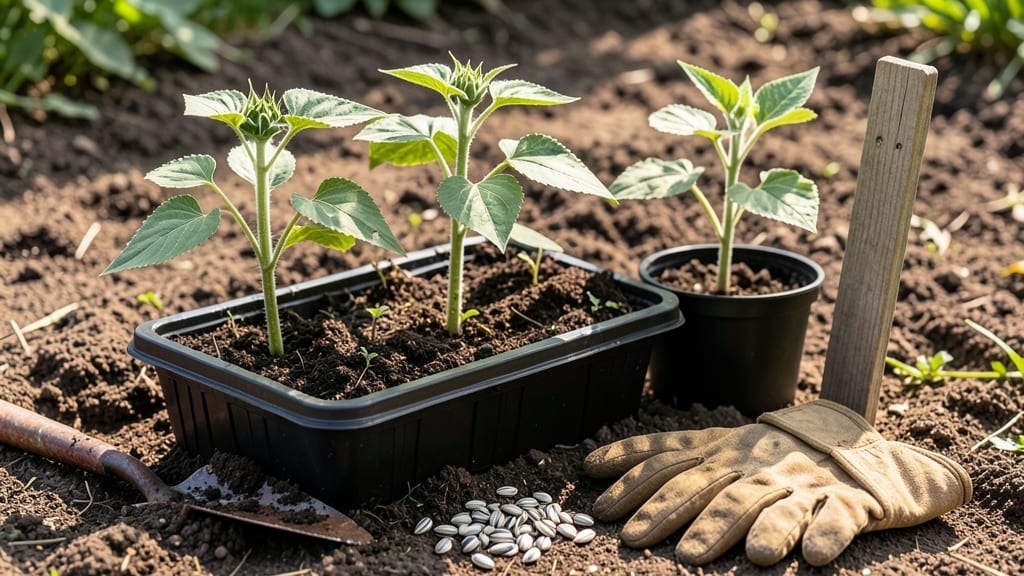
Planting sunflowers in Texas at the wrong time can mean the difference between towering 🌻 blooms and wilted disappointment. With frost dates shifting dramatically from North Texas to the Rio Grande Valley, timing your sunflower seeds isn't just about following a calendar—it's about reading your local climate like a pro.
If you've ever wondered why some gardens burst with sunflowers while others struggle, the answer likely starts with soil temperatures and frost-free windows. Texas' diverse zones (8a-11) create unique challenges, from early spring threats in the Panhandle to year-round growing potential in South Texas.
Let me show you exactly when to plant for maximum success in your corner of the state.
We'll break down the ideal planting windows by region—whether you're in Dallas, Austin, or El Paso—so you can avoid common mistakes like planting too early and risking frost damage or waiting too long and missing the summer bloom season. Plus, I'll share Texas-specific tips for handling our unpredictable weather patterns.
Ready to grow sunflowers that reach their full potential? By the end, you'll know not just when to plant, but also which varieties thrive best in your microclimate—and how to protect them from Texas' hottest days. Let's get those seeds in the ground at the perfect moment.
Texas sunflower planting timeline by region: frost dates & best months
Texas’ diverse climate means sunflower planting times vary dramatically from the Panhandle’s cold snaps to the Rio Grande Valley’s mild winters. Understanding your USDA hardiness zone and last frost dates is key to avoiding frost damage or stunted growth.
Most Texas zones (8a-11) allow sunflowers to thrive, but timing ensures peak blooms before summer heat or fall frosts.
In North Texas (Zones 7b-8a), like Dallas and Lubbock, plant sunflowers between late February and early April. This window ensures seedlings emerge after the average last frost (March 15) but avoids the scorching summer heat that can stress young plants.
For West Texas (Zones 7b-8b), such as Midland and El Paso, aim for early March to mid-April to align with soil warming.
| Region | USDA Zone | Last Frost Date | Best Planting Window | Key Consideration |
|---|---|---|---|---|
| North Texas | 7b-8a | March 15 | Late February–Early April | Cold snaps possible; use row covers if needed. |
| Central Texas | 8a-9a | February 15 | March–Early April | Hill Country microclimates may need adjustments. |
| South Texas | 9a-10a | January 15 | February–March | Extended growing season; can plant earlier. |
| West Texas | 7b-8b | March 1 | Early March–Mid-April | Drought-prone; prioritize deep watering. |
For Central Texas (Zones 8a-9a), including Austin and San Antonio, the ideal window shifts to March through early April. The Hill Country’s rocky soils may require extra compost, but the region’s long, hot summers reward timely planting with vibrant blooms by June.
In South Texas (Zones 9a-10a), like Houston and Corpus Christi, you can start as early as late January, but February to March is safest to avoid unpredictable late frosts.
West Texas gardeners in Lubbock or Amarillo should plant between early March and mid-April to escape the intense summer heat and drought conditions. Pre-soaking seeds and using mulch can improve germination rates in these dry climates. Always check your local agricultural extension for county-specific frost data, as microclimates—like urban heat islands or elevated areas—can shift planting windows by 1-2 weeks.
If you’re in Zone 10a or 11 (Deep South Texas), like Brownsville or McAllen, you can even experiment with fall planting for late-season blooms. Sow seeds in September or October to take advantage of cooler temperatures and avoid the peak summer heat.
Just ensure your first frost date (December 15) won’t catch young plants off guard.
For container gardening in urban areas like Dallas or Houston, start seeds indoors 4-6 weeks before your last frost date and transplant outdoors after soil temperatures reach 70°F+. This gives you a head start in areas with limited garden space or competitive weeds.
Always harden off seedlings by gradually exposing them to outdoor conditions over 7-10 days before planting.
Remember, sunflowers love heat, but they hate soggy soil. In East Texas’s humid climate, space plants 18-24 inches apart to improve airflow and reduce fungal diseases.
In West Texas’s arid conditions, focus on deep, infrequent watering to encourage strong root growth. Both strategies help sunflowers thrive in Texas’s extremes.
Pro tip: Use a soil thermometer to confirm soil temperatures are above 60°F before planting. Cold soil delays germination, and sunflowers won’t sprout until conditions are ideal. Pair this with a moon planting calendar for root crops (if growing for seeds) to maximize yield.
How to adjust sunflower planting for Texas’ unpredictable weather patterns
Texas weather can be as unpredictable as a summer storm, throwing off even the most careful gardeners. Sunflowers need consistent warmth to thrive, but sudden cold snaps or heatwaves can derail growth. The key is flexibility—adjusting your planting strategy to match local microclimates and seasonal quirks.
For example, North Texas gardeners often face late frosts in April, while South Texas might experience unseasonable cold in January. West Texas droughts can dry out soil faster than expected, and East Texas humidity may encourage fungal diseases.
Each region demands its own tweaks to ensure your sunflowers reach their full 10-foot potential.
Here’s how I adapt my planting schedule and care routine to handle Texas’ unpredictable weather—so you can avoid stunted growth or missed blooms:
- 1. Soil Warming Tricks: Use black plastic mulch or clear cloches to raise soil temps to 70°F+ for faster germination. In North Texas, this can mean planting 2-3 weeks earlier than the average frost date.
- 2. Mulching for Moisture & Heat: Apply straw or wood chips to retain soil moisture during West Texas droughts and suppress weeds. This also protects roots from temperature swings.
- 3. Seedling Protection: Cover young plants with frost cloth if a late cold snap is forecasted. In Central Texas, this often happens around March 15.
- 4. Extended Growing Season: For fall-blooming sunflowers, sow seeds in late summer (August) in South Texas (zones 9-11) to enjoy blooms before the first frost.
- 5. Drought-Resistant Varieties: Choose 'ProCut Hybrid' or 'Moulin Rouge' for areas prone to dry spells. These tolerate lower water needs once established.
- 6. Adjust Watering: Water deeply in the morning to prevent fungal issues from East Texas humidity. Reduce frequency in summer heatwaves to avoid root rot.
Another trick I swear by is staggered planting. Instead of sowing all seeds at once, plant a second batch 2-3 weeks later. This ensures a continuous display of blooms, even if the first batch faces unexpected stress like heat or pests.
For example, if you plant March 1 in Austin, follow up with seeds on March 15 for a prolonged harvest window.
Pay close attention to soil temperature, not just air temperature. Sunflower seeds need soil that’s at least 55°F to germinate, but they’ll sprout faster in 70°F+ soil.
Use a soil thermometer to check—especially in North Texas, where cold nights can delay germination. If your soil is too cool, hold off planting until temperatures rise.
Finally, don’t overlook the power of shade cloth during extreme heat. In West Texas, where summer temps can exceed 100°F, young sunflowers benefit from 30-50% shade cloth until they’re established.
This prevents bolting too quickly or flowering before reaching maturity. Once they’re 2 feet tall, you can remove the cloth and let them soak up the sun.