
Flowers
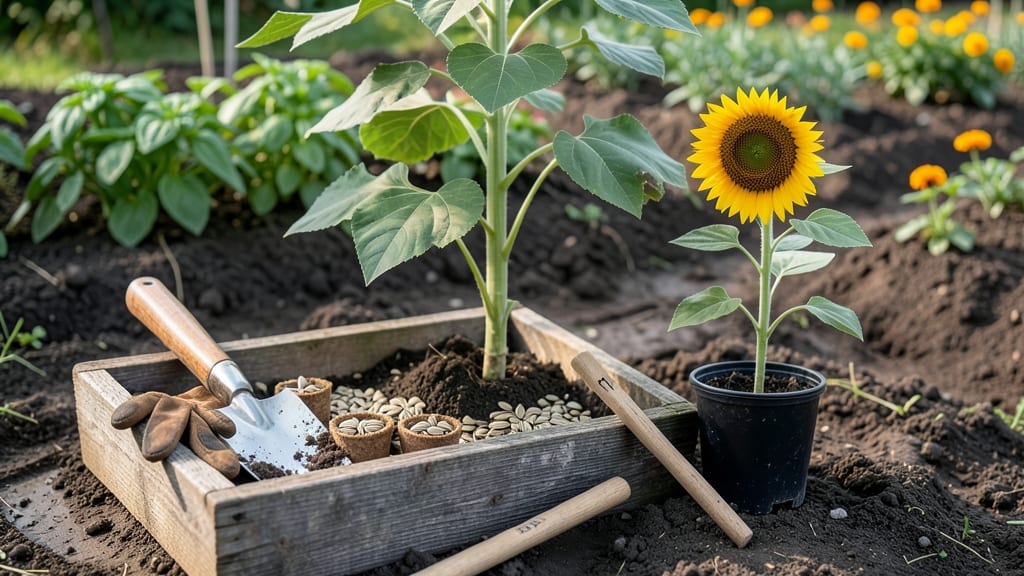
Planting sunflowers in Georgia isn’t just about dropping seeds in the dirt—it’s about beating the clock before unpredictable frost or scorching summer heat ruins your harvest.
The right timing means the difference between towering 🌻 blooms and wilted disappointment, especially when USDA zones 7b-8b create wildly different microclimates from Atlanta to Savannah.
If you’ve ever wondered why your neighbor’s sunflowers thrive while yours struggle, the answer likely lies in their county-specific planting window. North Georgia’s cooler springs demand earlier starts, while South Georgia’s longer growing season allows for late-summer sowings.
I’ll break down the exact dates—plus how to adjust for your soil type and local frost risks—so you can plant with confidence.
Most gardeners assume sunflowers are a one-size-fits-all summer crop, but Georgia’s 210 frost-free days mean variety matters just as much as timing.
Whether you’re growing 3-foot dwarf varieties for containers or 16-foot giants for shade, knowing when to plant ensures you’ll enjoy blooms from August through October—just in time for harvest.
Ready to stop guessing and start growing? Let’s dive into the county-by-county planting calendar that’ll have your sunflowers reaching for the sky—without the frost or heat surprises. Your perfect 🌻 season starts here.
Georgia sunflower planting calendar by county: frost dates & ideal timing
Sunflowers (🌻) thrive in Georgia’s warm climate, but timing varies dramatically from North Georgia’s mountainous regions to South Georgia’s coastal plains. The state spans USDA zones 6A to 8B, meaning frost dates shift from March 15 in the north to February 1 in the south.
Plant too early, and frost will kill tender seedlings; too late, and summer’s 90°F+ heat can stunt growth before flowering.
For North Georgia counties like Fannin, Gilmer, and Habersham, the last frost typically occurs mid-to-late April, while South Georgia counties like Camden, Chatham, and Liberty see frost-free conditions as early as mid-February.
This means your planting window shifts from late March in the north to mid-February in the south.
Here’s the key rule: Plant sunflower seeds 1-2 weeks after your county’s average last frost date.
For example, in Atlanta (USDA 7b-8a), aim for mid-April, while in Savannah (USDA 8a-8b), you can start as early as late February. Direct sowing is best—sunflowers hate transplanting and grow best when planted 1 inch deep in loose, well-draining soil.
🌱
| Region | USDA Zone | Avg. Last Frost | Ideal Planting Window | Harvest Window |
|---|---|---|---|---|
| North Georgia (e.g., Blue Ridge, Dahlonega) | 6A-7A | April 15-30 | Late April to early May | Late August to mid-October |
| Piedmont (e.g., Atlanta, Macon) | 7B-8A | March 15-April 15 | Mid-April to early June | Mid-August to late October |
| Coastal Plains (e.g., Savannah, Brunswick) | 8A-8B | February 15-March 15 | Late February to early July | Early August to November |
If you’re in a transition zone like Middle Georgia (e.g., Columbus, Warner Robins), split your planting: start with early-maturing varieties in mid-April for a late summer harvest, then follow up with taller varieties in late May for a fall bloom.
This staggered approach ensures continuous color and seed production.
For container gardening in urban areas like Atlanta or Athens, start seeds indoors 2-3 weeks before your last frost date using biodegradable pots to avoid root disturbance.
Move containers to a sunny patio or balcony once soil warms to 55°F+, typically by mid-April in the north and early March in the south.
Pro tip: Use black plastic mulch to warm soil faster in early spring plantings, especially in North Georgia’s cooler microclimates. This can shave 1-2 weeks off your growing season by accelerating germination. Just remove it once plants are 6 inches tall to prevent overheating.
🌿
Sunflowers are annuals with fast growth cycles, so don’t stress about perfection. Even if you miss the "ideal" window, you can still plant short-season varieties like ‘Autumn Beauty’ as late as early July for a fall harvest.
Just expect smaller blooms and fewer seeds if planted after mid-June, as summer’s intense heat can reduce flowering.
💧
Remember: Sunflowers love heat, but they hate soggy soil. In South Georgia’s humid climate, prioritize well-draining soil to prevent root rot. Amend heavy clay soils with compost or sand, and always plant on mounds to improve drainage.
This is especially critical in low-lying areas where water pools after rain.
How to adjust sunflower planting for Georgia’s microclimates & soil conditions
Georgia’s diverse landscapes—from Atlanta’s urban heat islands to the Piedmont’s clay-heavy soils and the Coastal Plain’s sandy loam—create unique challenges for sunflower growers. The same planting date that works in Savannah’s USDA Zone 8b might fail in Blue Ridge’s Zone 7a due to soil drainage or heat retention.
Adjusting for these microclimates means the difference between 3-foot dwarf varieties thriving and 16-foot giants struggling.
Urban Atlanta gardeners face extra heat stress, while rural areas deal with heavy clay compacting roots. I’ll walk you through soil prep, mulching, and seasonal tweaks to ensure your sunflowers grow strong—no matter where you’re planting in Georgia.
Start by testing your soil’s drainage; sunflowers hate soggy roots but need consistent moisture during germination.
Heavy clay soils in the Piedmont? Amend with compost or sand before planting to improve aeration. Sandy Coastal Plain soils? Mix in organic matter to retain moisture. Both extremes require deep watering—1-2 gallons per plant—to prevent stress.
Mulch with straw or wood chips to lock in moisture and suppress weeds, especially in July plantings when summer heat peaks.
🌱 Pro Tip: If you’re planting in late June or July for a fall harvest, choose short-season varieties like ‘Teddy Bear’ (50 days to maturity) and use black plastic mulch to warm the soil faster. This extends your growing window by 2-3 weeks in cooler microclimates.
One common mistake? Planting sunflower seeds too deep in heavy clay. Stick to 1 inch deep—any deeper, and seedlings may rot before emerging. In sandy soils, press seeds lightly into the soil to ensure good seed-to-soil contact.
Overcrowding is another pitfall; space dwarf varieties 12 inches apart and tall types 24 inches apart to prevent disease and competition.
For urban containers, use lightweight potting mix with perlite to mimic well-draining soil. Containers dry out faster, so water every 5-7 days instead of the usual 10-14-day interval. Elevate pots to improve drainage and prevent root rot—a critical fix for Atlanta’s summer downpours.
💧 Warning: Never plant sunflowers in low-lying areas where frost lingers. Even in Zone 8b, a late April frost can kill young seedlings. If your yard has frost pockets, opt for early-maturing varieties or use row covers until soil warms to 60°F.
Finally, monitor your sunflowers for nutrient deficiencies. Yellowing leaves? Apply a balanced 10-10-10 fertilizer lightly in early summer. Over-fertilizing leads to lush foliage but fewer blooms—a common mistake in Georgia’s nutrient-rich but sometimes imbalanced soils.
With these adjustments, your sunflowers will reach their full potential, no matter your corner of the state.
⚠️ Georgia Soil Pitfalls & Fixes
- Clay Soil: Amend with compost/sand; plant on mounds for drainage.
- Sandy Soil: Add organic matter; water deeply and frequently.
- Urban Heat: Use black mulch; water in early morning to reduce evaporation.
- Frost Pockets: Choose fast varieties or use row covers until soil warms.
Adjusting for your soil type prevents stunted growth and maximizes bloom time.
By tailoring your approach to Georgia’s microclimates and soil types, you’ll avoid the most common sunflower growing mistakes. Whether you’re battling Atlanta’s heat or Savannah’s sandy soil, these strategies ensure your sunflowers grow tall, strong, and ready for harvest—just in time for fall’s golden blooms.