
Flowers
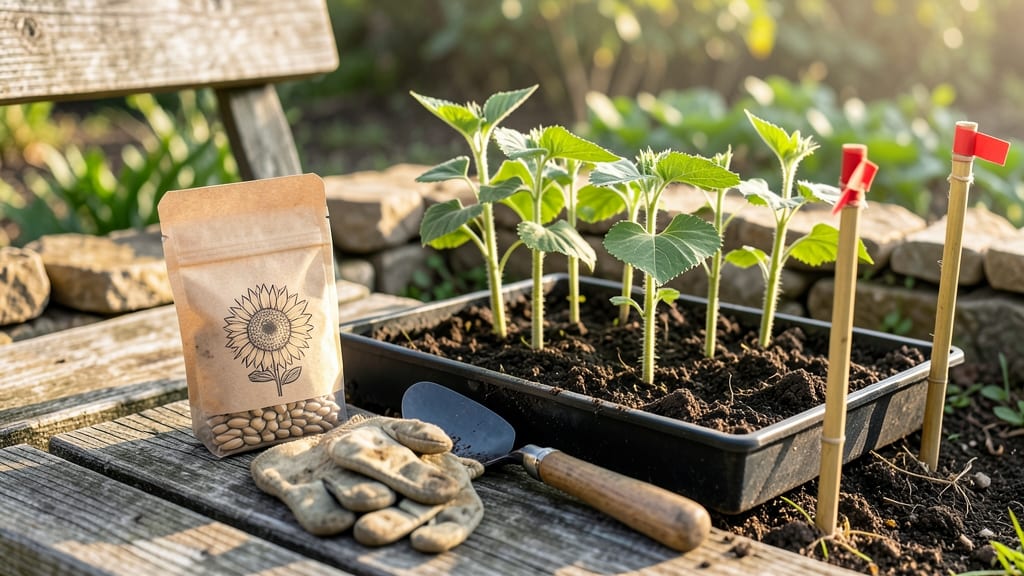
Planting sunflowers in Oklahoma isn’t just about sticking seeds in the ground—it’s about catching that perfect window between frost and scorching heat to coax those towering 🌻 blooms to life.
Too early, and a late frost will nip them in the bud; too late, and summer’s relentless sun might leave them wilting before they reach their full glory.
With Oklahoma’s USDA zones 6a-7b offering a mix of chilly mornings and sweltering afternoons, timing is everything. Most gardeners swear by starting seeds between March 15 and May 15, but even that range shifts depending on whether you’re in the panhandle’s drier climate or the more humid eastern regions.
The key? Knowing your local microclimate and adjusting your schedule accordingly.
I’ve tested different varieties here, and the right one can make all the difference—whether you’re after fast-growing types for early blooms or heat-tolerant giants that stand tall through Oklahoma’s summer.
Let me walk you through the exact steps to pick the best seeds, prep your soil, and avoid common mistakes that rob sunflowers of their potential.
Ready to grow sunflowers that rival Oklahoma’s skyline? Here’s how to time it right, from soil prep to harvest-ready blooms that’ll turn heads all summer long.
Oklahoma planting zones for sunflowers: heat Zone deadlines by region
Oklahoma’s diverse climate—from the panhandle’s arid heat to the eastern region’s humidity—demands precise timing for sunflower success. Most of the state falls within USDA zones 7a-8a, but microclimates shift planting windows by 2-3 weeks.
Aim for after the last frost date, typically mid-March in southern Oklahoma and late March in northern areas. This ensures your sunflowers (Helianthus annuus) mature before summer’s 100°F+ heat stunts growth.
Direct sowing is ideal for Oklahoma’s short growing season. Start seeds 1 inch deep and 6 inches apart in well-draining soil with full sun exposure. Transplanting seedlings is risky—sunflowers hate root disturbance—so stick to direct sowing unless you’re using container-grown starts from a nursery.
The ideal window spans March 15 to May 15, but late May plantings risk heat stress and poor germination.
Here’s how Oklahoma’s regions break down for sunflower planting deadlines:
| Region | USDA Zone | Last Frost Date | Planting Window | Heat Risk |
|---|---|---|---|---|
| Southern Oklahoma (e.g., Lawton, Oklahoma City) | 7b-8a | March 1-15 | March 15 – April 30 | Moderate (summer heat arrives by June) |
| Central Oklahoma (e.g., Tulsa, Norman) | 7a-7b | March 15-30 | April 1 – May 15 | High (frequent 90°F+ days by July) |
| Panhandle (e.g., Amarillo, Guymon) | 7a-6b | March 20-April 5 | April 15 – May 10 | Extreme (drought + 100°F+ by June) |
| Northeast Oklahoma (e.g., Muskogee, Tahlequah) | 7a | March 30-April 10 | April 15 – May 1 | Moderate (humidity slows drying) |
The panhandle’s dry heat means sunflowers planted after May 10 may struggle with poor germination and stunted growth. In contrast, southern Oklahoma’s longer growing season allows for late-May plantings if you choose fast-maturing varieties like ‘Teddy Bear’ (50-60 days to bloom).
Always monitor soil temperature—seeds need 60°F+ soil to sprout reliably.
For extended harvests, stagger plantings every 2 weeks from March to early June. This ensures continuous blooms from July through October, even as summer heat peaks.
Just avoid planting after June 1 in most zones—your sunflowers will bolt too quickly or wilt under Oklahoma’s intense afternoon sun. Use shade cloth for late-season plantings to protect young seedlings.
Oklahoma’s alkaline soil (pH 7.5-8.5) can hinder nutrient uptake, so amend beds with compost or a balanced fertilizer (10-10-10) at planting. Phosphorus boosts root growth, helping sunflowers establish before summer’s heat sets in.
In drought-prone areas, mulch heavily with straw or wood chips to retain moisture—critical for seedling survival during Oklahoma’s unpredictable spring rains and dry spells.
Pro tip: Test your soil before planting. Oklahoma’s calcareous soil often lacks organic matter, which sunflowers crave. Mix in 2-3 inches of compost or well-rotted manure to improve drainage and fertility.
This prep work pays off when your sunflowers reach their full height—some varieties like ‘Russian Giant’ can tower 12-14 feet tall in ideal conditions.
If you’re in Zone 7a (northern Oklahoma), don’t rush to plant in February. Frost can still linger, and cold soil delays germination. Wait for consistent daytime temps above 60°F—usually mid-April—before sowing.
In Zone 8a (southwest Oklahoma), you’ve got a 10-day head start on northern regions, but heat stress becomes a risk by late May.
For container growing, plant sunflowers 2-4 weeks earlier than ground plantings. Pots warm up faster in Oklahoma’s sun, giving you a longer effective growing season.
Just ensure containers have drainage holes—sunflowers hate soggy roots. Move containers to sheltered spots if a sudden cold snap threatens after May 1.
Finally, keep an eye on the weather forecast. Oklahoma’s spring thunder
Sunflower varieties that thrive in Oklahoma’s climate: fast-growing vs. late-blooming options
Oklahoma’s hot summers and variable frost dates mean not all sunflower varieties shine equally. Fast-growing types like ‘Moulin Rouge’ bolt quickly, while ‘Russian Giant’ needs extra time to reach its towering height. Choosing the right variety ensures your sunflowers bloom before heat stress or frost cuts them short.
For early spring planting (March-April), opt for short-season varieties like ‘Autumn Beauty’ (60-70 days to bloom). These handle Oklahoma’s unpredictable late frosts better than their slower-growing cousins.
If you’re planting in late April or May, heat-tolerant giants like ‘Russian Mammoth’ (100-120 days) can still thrive with consistent deep watering.
Here’s how Oklahoma’s USDA zones 7a-8a influence variety performance:
For extended blooms, mix varieties with different maturity rates. Plant ‘Teddy Bear’ (45-50 days) alongside ‘Russian Giant’ (100+ days) to enjoy sunflowers from July through October. This strategy also reduces pest pressure since not all plants mature at once.
In hotter regions like the panhandle, prioritize heat-tolerant varieties and use shade cloth during peak afternoon sun. For eastern Oklahoma’s shorter growing season, focus on early-maturing types to avoid fall frosts cutting blooms short.
Pro tip: Save seeds from your best-performing varieties each year. Oklahoma’s microclimates mean local adaptations can outperform store-bought seeds over time.