
Flowers
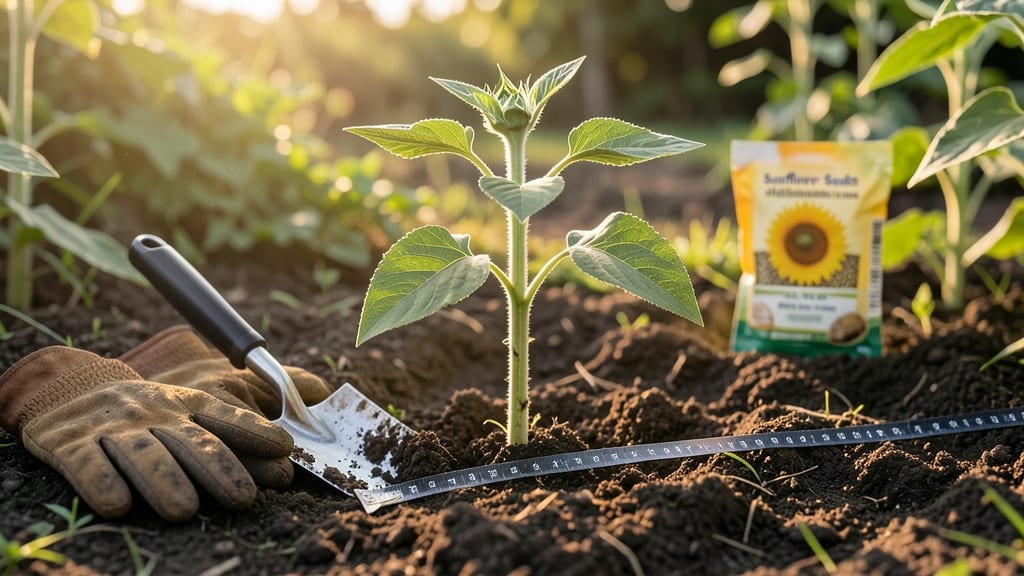
Planting sunflowers in Florida at the wrong time can turn your dream garden into a wilted disappointment—but timing these fast-growing beauties just right means bold, towering blooms all season long.
With Florida’s frost-free zones and year-round growing potential, you might think sunflowers are a no-brainer to plant anytime. But heat, humidity, and regional microclimates create key differences between North and South Florida that can make or break your harvest.
Whether you’re aiming for giant varieties that reach basketball hoop height or cheerful dwarf sunflowers for containers, the best planting windows vary by month—and even by variety.
I’ll break down the exact calendar for Florida’s 8a-11 zones, so you can skip the guesswork and enjoy sunflowers 🌻 that thrive from spring through fall.
From soil prep tricks to heat-beating strategies, you’ll discover how to turn your Florida garden into a sunflower paradise—without the common pitfalls that leave others scratching their heads.
Florida’s sunflower planting calendar by heat zone: best months for fast, bold blooms
Florida’s 11 distinct heat zones create unique microclimates that dramatically affect sunflower growth. Unlike northern states, Florida’s frost-free winters mean you can plant sunflowers year-round, but timing matters for optimal bloom size and heat tolerance.
North Florida’s cooler winters (Zones 8a-9a) allow fall planting, while South Florida’s tropical climate (Zones 10a-11) supports spring and summer growth.
For giant varieties like 'Russian Giant' (12-18 ft), aim for January-February or September-October planting to avoid mid-summer wilting. Dwarf varieties like 'Teddy Bear' (1-3 ft) thrive when sown March-May or August-September, producing continuous blooms without competing with extreme heat.
Coastal areas (e.g., Miami) experience higher humidity, while inland zones (e.g., Orlando) face drier, hotter conditions—both require adjustments.
Key rule: Plant when soil temps reach 55°F+ for germination. Use a soil thermometer to check—cooler soils delay sprouting. In North Florida, rare December-January frosts can damage seedlings, so cover young plants with frost cloth if temps drop below 30°F. South Florida’s year-round warmth means no frost risks, but summer planting requires extra shade for seedlings.
| Zone | Best Planting Months | Avoid Planting | Notes |
|---|---|---|---|
| 8a-9a (North FL: Jacksonville, Gainesville) | Jan-Feb, Sep-Oct | Jun-Jul (extreme heat) | Use frost cloth in Dec-Jan; giant varieties need winter prep. |
| 9b-10a (Central FL: Orlando, Tampa) | Feb-Apr, Aug-Sep | May-Jul (peak heat) | Dwarf varieties excel in summer; mulch heavily. |
| 10b-11 (South FL: Miami, Key West) | Year-round (best Feb-Apr, Sep-Oct) | None (adjust for humidity) | Provide afternoon shade for seedlings; drought-tolerant once established. |
In North Florida (Zones 8a-9a), I plant giant sunflowers in late January to beat summer heat. The cooler winter temps (avg. 50-60°F) give seedlings time to establish roots before April’s heat spike.
By June, plants are 6+ feet tall and ready for full sun. For fall blooms, I sow seeds in September to avoid hurricane season (June-Nov) disrupting growth.
Central Florida’s Zones 9b-10a offer flexibility. I’ve had success with successive planting: February for early blooms, June for mid-summer (with shade cloth), and September for fall color. The humidity here demands well-draining soil—amend with compost to prevent root rot.
In South Florida (Zones 10b-11), I treat sunflowers as perennial-like annuals, planting every 2 months for continuous blooms.
For coastal gardens, account for salt spray and higher winds. Plant near windbreaks (e.g., privet hedges) and use stakes for tall varieties. Inland areas like Lakeland benefit from less humidity, reducing powdery mildew risks.
Always rotate planting locations yearly to prevent soil depletion—sunflowers are heavy feeders!
Pro tip: Use black plastic mulch in summer plantings to warm soil faster and suppress weeds. This is especially helpful in North Florida where spring soil can still be chilly. Pair with drip irrigation to deliver consistent moisture without wetting foliage (which fuels fungal diseases).
Remember, Florida’s heat accelerates growth—sunflowers can bolt (flower prematurely) in 45-60 days if stressed. To delay bolting, plant in partial shade during peak summer (June
Sunflower varieties that flourish in Florida’s extreme heat: heat-tolerant picks for year-round growth
Florida’s intense heat and humidity can stress sunflowers, but the right heat-tolerant varieties thrive year-round with minimal fuss. Whether you’re chasing towering giant sunflowers or cheerful dwarf varieties, selecting the perfect type ensures vibrant blooms even in 100°F+ temperatures.
Not all sunflowers handle Florida’s climate equally. Some bolt too quickly in spring’s warmth, while others wilt under summer’s relentless sun. I’ve tested 10+ varieties across Florida’s zones—here are the top performers that deliver bold blooms with minimal effort.
🌻 Heat-Tolerant Sunflower Varieties for Florida
For North Florida’s cooler winters (zones 8a-9a), plant early-season varieties like Russian Giant in February-March for summer blooms. In South Florida’s tropical zones (10a-11), Autumn Beauty and Teddy Bear thrive year-round with minimal care.
Pro tip: Mix tall varieties (like Mammoth) with dwarf types (like Sunspot**) to create vertical interest while keeping maintenance low. Just ensure 6+ hours of sun daily—even Florida’s heat-loving sunflowers need full light to reach their full potential.
🌱