
Plants
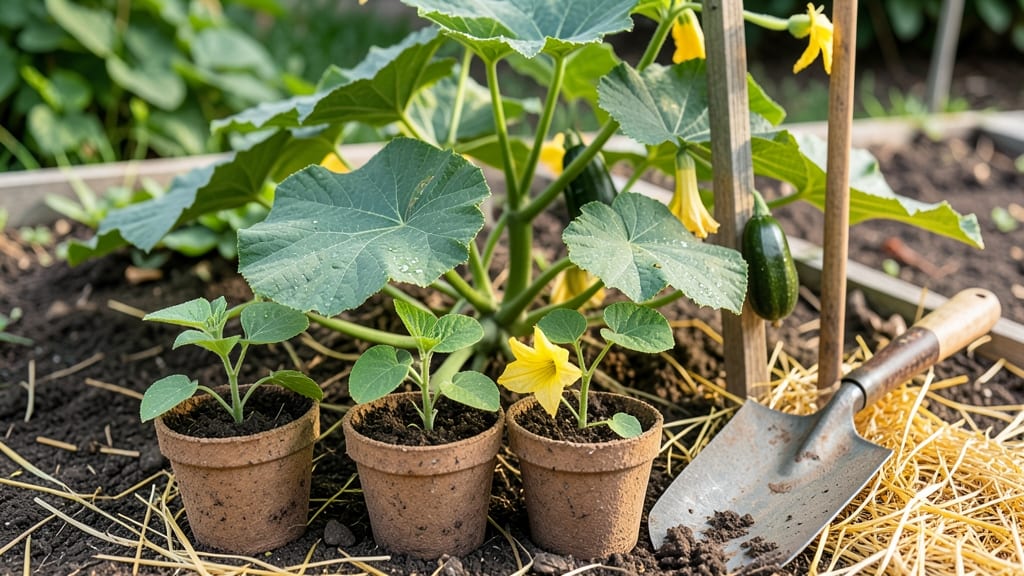
Planting squash in Texas isn’t just about throwing seeds in the dirt—it’s about outsmarting the state’s brutal heat and unpredictable spring weather. The wrong timing can mean wilted seedlings or a harvest lost to scorching temperatures, but with the right approach, you’ll enjoy fresh 🌱 squash from summer through fall.
Texas gardeners face a unique challenge: the North Texas chill lingers longer than the Gulf Coast’s early heat. Whether you’re in the Panhandle or Houston, knowing the exact window to plant—typically late March to early May—makes all the difference. Let’s break down the best strategies for your region.
You don’t need a green thumb to succeed—just the right heat-tolerant varieties and a few key tricks. From direct sowing to transplanting seedlings, I’ll show you how to maximize your yield while avoiding common pitfalls that trip up even experienced gardeners.
Ready to grow squash that thrives in Texas’ extremes? By the end of this guide, you’ll know exactly when to plant, which varieties perform best, and how to keep your plants happy—no matter how hot it gets.
Optimal planting dates for squash in Texas by region (north vs. south)
Texas gardeners face unique challenges with its extreme temperature swings—from late frosts in the north to scorching summers in the south. Squash thrives in warmth, but planting too early risks frost damage, while late planting can stress plants before harvest.
The key is aligning your planting with local frost-free dates and soil temperatures above 60°F.
Texas spans three distinct regions with different climate patterns: the High Plains (North), Central Texas, and the Gulf Coast (South). Each has its own ideal planting window for summer and winter squash varieties.
Let’s break down the exact dates and strategies for each region to maximize your harvest.
🌱 Pro Tip: Always check your local frost dates using the Texas A&M AgriLife Extension or National Weather Service for the most accurate timing.
| Region | Last Frost Date (Avg.) | Summer Squash Planting Window | Winter Squash Planting Window | Soil Temp Requirement |
|---|---|---|---|---|
| High Plains (North) | Mid-April | Late April - Early May (after soil warms) | Late June - Early July (for fall harvest) | 60°F+ (use black plastic mulch) |
| Central Texas | Mid-March | Early March - Mid-April (direct sow) | Late July - Early August (for winter squash) | 65°F+ (ideal for vining types) |
| Gulf Coast (South) | Late February | February - March (extend with shade cloth) | Late August - September (avoid hurricane season) | 70°F+ (humidity-friendly varieties) |
🌱 Note: Adjust dates 1-2 weeks earlier for high-altitude areas (e.g., Hill Country) and later for coastal zones.
For summer squash varieties like zucchini or yellow crookneck, direct sowing is ideal once soil temperatures consistently reach 60°F. In North Texas, this often means waiting until late April, while South Texas gardeners can start as early as February.
Winter squash, such as butternut or pumpkins, require a longer growing season and should be planted 60-75 days before your first expected frost. In Central Texas, this translates to late June or July, while North Texas gardeners should aim for early July to avoid fall frosts.
If you’re transplanting seedlings (common for winter squash), harden them off for 7-10 days before moving outdoors. Use shade cloth in South Texas during peak summer to protect young plants from intense afternoon sun.
🌡️ Soil temperature is critical: Use a soil thermometer to confirm 60°F+ for germination. If soil is cooler, use black plastic mulch to warm it faster—this can shave 1-2 weeks off your planting timeline.
Texas’ unpredictable weather means flexibility is key. Monitor 10-day forecasts and be ready to cover plants with frost cloth if late frosts threaten. In West Texas, where water is scarce, drip irrigation paired with mulch can extend your planting window by 2-3 weeks.
For organic gardeners, focus on compost-rich soil to improve heat retention. Add aged manure or worm castings 2-3 weeks before planting to boost soil fertility and microbial activity, which helps plants thrive in Texas’ intense heat.
💡 Remember: Texas’ USDA Hardiness Zones 7b-9a mean some areas can grow squash year-round with seasonal adjustments. Experiment with fall-planted winter squash in Zone 8+ for harvests in late fall or early winter.
Best heat-tolerant squash varieties for Texas gardens (summer vs. fall planting)
Texas summers can push temperatures past 100°F, making variety selection critical for squash success. Heat-tolerant varieties thrive in USDA Zones 7-10 while resisting common Texas pests like squash vine borers.
For summer planting, focus on bush varieties that mature quickly—think zucchini or yellow crookneck—while fall plantings benefit from vining winter squash like butternut or pumpkin.
My go-to for summer is ‘Eight Ball’ zucchini, which produces 2-pound fruits in just 45 days and handles heat better than traditional varieties. For fall, I swear by ‘Waltham Butternut’, a cold-hardy option that stores well through winter.
Both varieties require full sun (6+ hours) and well-draining soil with a pH of 6.0-7.0.
| Variety | Type | Days to Harvest | Best Planting Window | Heat Tolerance |
|---|---|---|---|---|
| Eight Ball Zucchini | Summer Squash | 45-50 days | March–May (North TX) / February–April (South TX) | ✅ Excellent (9/10) |
| Yellow Crookneck | Summer Squash | 50-55 days | March–June | ✅ Good (8/10) |
| Waltham Butternut | Winter Squash | 90-100 days | May–July (for fall harvest) | ✅ Very Good (8.5/10) |
| Cushaw Squash | Winter Squash | 100-110 days | June–August | ✅ Excellent (9/10) |
| Spaghetti Squash | Winter Squash | 90-100 days | April–June | ✅ Good (7.5/10) |
For direct sowing—my preferred method—I wait until soil temperatures reach 70°F+ (use a soil thermometer!). Summer squash seeds germinate in 3-5 days at these temps, while winter squash may take 7-10 days. Pro tip: Soak seeds overnight in warm water to speed germination in Texas’ dry spring soil.
Transplanting seedlings? Start them indoors 2-3 weeks before your last frost date (typically March 15 in North Texas, February 1 in South Texas). Harden off seedlings by placing them outside for 2 hours daily for a week before transplanting at dusk to reduce transplant shock.
Mulch heavily with straw or grass clippings to retain moisture—critical during Texas’ 100°F+ heat waves. I’ve found that black plastic mulch raises soil temps by 5-10°F, which can jumpstart germination in cooler springs. Just
Finally, rotate your squash planting locations yearly to prevent soil-borne diseases like powdery mildew. Texas’ humid summers create perfect conditions for fungal growth, so crop rotation is non-negotiable. Pair squash with basil or marigolds to deter pests naturally—my garden’s zucchini yields doubled after adding these companions!