
Plants
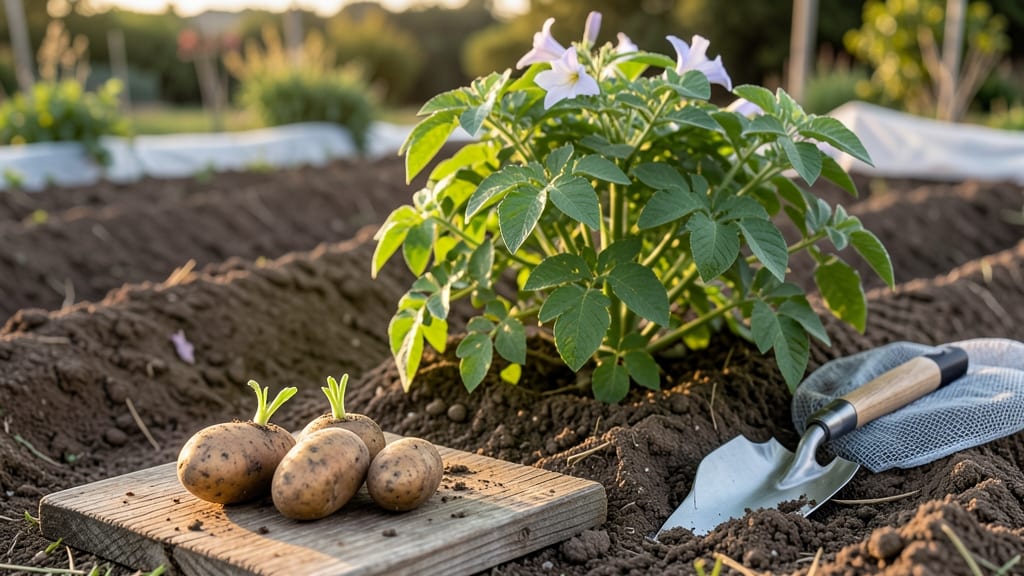
When do you plant potatoes in Idaho? Timing your potato 🥔 planting isn’t just about the calendar—it’s about beating the mountain chill or dodging the high-desert heat, both of which can turn your harvest dreams into disappointment.
Whether you're tucked in the cool valleys of the Panhandle or baking in the Treasure Valley, getting those spuds in the ground at the right moment makes the difference between a bountiful harvest and a sad, stunted crop.
I’ve grown potatoes across Idaho’s microclimates, and let me tell you: planting too early risks frost damage, while waiting too long leaves you scrambling to avoid a short season.
The key is knowing your local frost dates and soil temperature thresholds—45–50°F is your sweet spot for those first tender sprouts. Skip the guesswork and plant when the soil is warm and workable, not just when the calendar says "spring."
This isn’t a one-size-fits-all guide. Northern Idaho’s shorter growing season demands early, cold-hardy varieties, while southern Idaho’s longer heatwave season lets you stretch planting into late spring.
I’ll break down the exact windows for your region, so you can adjust planting dates like a pro—no more wasted seed potatoes or half-grown harvests.
Ready to turn your Idaho garden into a potato powerhouse? Let’s dive into the microclimate-specific planting schedule that’ll have you digging up dinner-worthy tubers by summer’s end. No more second-guessing—just a foolproof plan tailored to your corner of the Gem State.
Idaho’s ideal potato planting window by microclimate zone
Timing your potato planting in Idaho isn’t one-size-fits-all—it depends on your microclimate zone, soil temperature, and last frost dates. Idaho’s diverse regions range from the cool, high-altitude valleys of the Panhandle to the warmer Treasure Valley, where planting windows can differ by weeks.
For most Idaho gardeners, the ideal soil temperature for planting potatoes is between 45–50°F, and you’ll want to aim for 2–4 weeks before your last frost date.
In Northern Idaho (like Coeur d’Alene or Sandpoint), where frost lingers longer, you’ll plant as early as late April for early varieties. Meanwhile, in Southern Idaho (Boise, Twin Falls), you can start planting by mid-April or even earlier in sheltered microclimates.
The key is balancing frost risk with soil workability—muddy soil can damage potato tubers.
Here’s a breakdown of Idaho’s 5 key microclimates and their ideal planting windows, including soil temperature thresholds and frost-free dates to help you plan:
| Microclimate Zone | Ideal Planting Window | Soil Temp Threshold | Last Frost Date | Notes |
|---|---|---|---|---|
| Western Mountains (e.g., Coeur d’Alene) | Late April – Early May | 45–50°F | May 15–20 | Cool nights; use row covers for early planting. |
| Magic Valley (Twin Falls, Burley) | Mid-April – Late April | 48–52°F | May 1–10 | Warmer days; plant early varieties first. |
| Treasure Valley (Boise, Meridian) | Late March – Mid-April | 50–55°F | April 20–May 5 | High desert; mulch to retain moisture. |
| Panhandle (Moscow, Lewiston) | Late April – Early May | 45–50°F | May 10–15 | Longer growing season; plant late varieties. |
| Central Idaho (Sun Valley, McCall) | Early May – Mid-May | 48–52°F | May 25–June 1 | High elevation; prioritize cold-hardy varieties. |
If you’re unsure about your last frost date, check local weather stations or use the National Weather Service’s frost prediction tools. For high-altitude areas like Sun Valley, planting later in May reduces frost risk while still allowing tubers to mature before winter.
In warmer zones like Boise, you can even plant a second crop in July for a fall harvest!
For early varieties like Yukon Gold or Red LaSoda, which mature in 60–75 days, start planting as soon as soil is workable. Late varieties such as Russet Burbank (90-day maturity) need to be in the ground by mid-May at the latest in most of Idaho to avoid stunted growth.
Pro tip: Use a soil thermometer to confirm temperatures—cold soil can delay germination, even if frost isn’t a threat. If your soil is still too cold, consider storing seed potatoes indoors until conditions improve.
Once planted, maintain consistent moisture (1–2 inches per week) and watch for blossoms, which signal tuber formation. In Idaho’s dry climates, mulching with straw helps retain soil moisture and regulate temperature.
🌱
How to adjust planting dates for Idaho’s unpredictable weather patterns
Idaho’s unpredictable spring weather—think late frosts in May or early heatwaves in June—can throw off even the most careful gardener’s plans. The key is flexibility: adjust planting dates based on soil temperature, not just calendar dates.
For example, if your last frost date shifts later than expected, delay planting until the soil reaches 45–50°F consistently.
Start with cold-hardy varieties like Yukon Gold or Kennebec, which tolerate cooler soils better than Russet Norkotah. These varieties give you a 2–3 week buffer if frost lingers. Plant them 2–3 weeks earlier than your standard varieties to hedge against delays.
If frost warnings persist after your usual planting window, use row covers or black plastic mulch to warm the soil faster. Avoid planting too early—cold, wet soil can rot potato tubers before they sprout.
For high-altitude areas (like Coeur d’Alene or Sandpoint), where nights stay chilly longer, opt for early-maturing varieties (e.g., Red LaSoda) and plant in warmer microclimates, such as south-facing slopes. These spots warm up 3–5 days faster than flat ground.
If early heatwaves hit before your potatoes are established, use shade cloth (30–50% coverage) to protect young plants. Heat stress can stunt growth, so prioritize even moisture—water deeply every 2–3 days during dry spells. A 5-gallon bucket of water per plant keeps roots cool.
For late-season planting (June–July), choose fast-maturing varieties (e.g., Fingerlings) and plant in well-draining soil with organic matter. These potatoes need 90–100 days to mature, so time it so they’ll harvest before first frost (typically mid-September in most of Idaho).
Finally, keep a planting journal to track your local patterns. Note when soil warms, when frosts hit, and how varieties perform. Over time, you’ll refine your planting schedule to match Idaho’s unpredictable rhythm. With these adjustments, you’ll maximize your potato yield despite Mother Nature’s surprises. 🌱