
Plants
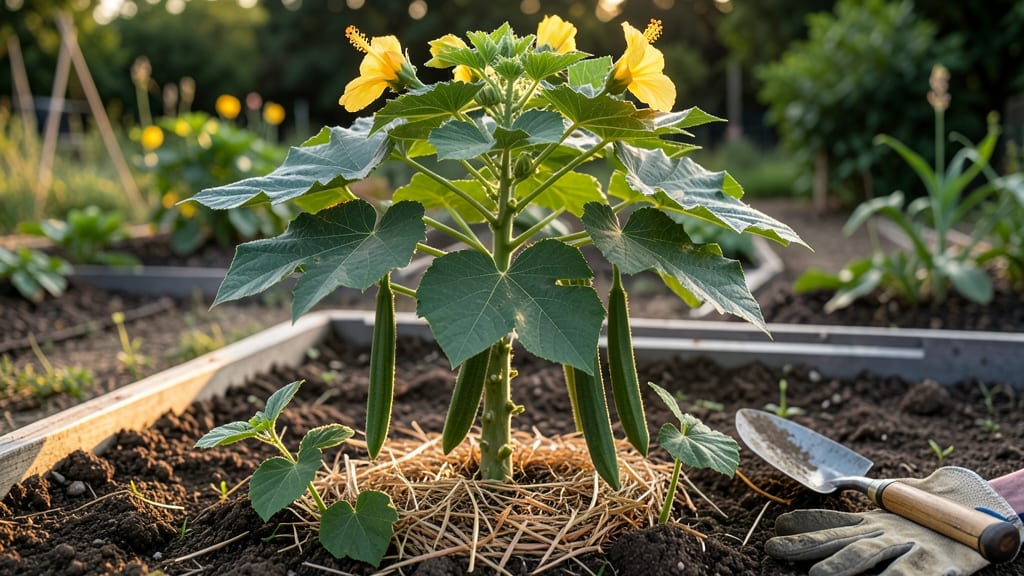
If you're wondering when to plant okra in Texas, timing this heat-loving 🌱 vegetable just right can mean the difference between a bountiful harvest and struggling plants. Texas gardeners know that okra thrives in warm soil, but planting too early can leave your seedlings vulnerable to frost or slow growth.
The ideal window depends on your region—North Texas gardeners should wait until after the last frost date, typically around March 15, while Central and South Texas can start as early as February.
Soil temperatures need to reach at least 60°F for seeds to germinate properly, so don’t rush the process.
Once planted, okra grows quickly, with most varieties ready for harvest in just 60 days. By aligning your planting schedule with Texas' frost-free dates, you’ll maximize your growing season and enjoy fresh pods from June through November.
Ready to get started? I’ll walk you through the exact dates for your zone, plus pro tips to ensure your okra plants grow fast and strong—no guesswork required.
Texas okra planting calendar by hardiness zone (with exact dates)
Okra loves Texas heat but needs the right timing to thrive. Since Texas spans USDA zones 8a-10b, planting windows vary dramatically. In North Texas (8a), wait until after the last frost—typically mid-March—while South Texas (10a/10b) gardeners can start as early as late January.
The key is soil temperature: okra seeds won’t germinate below 60°F.
For optimal 60-75 day growth cycles, aim to plant okra 4-6 weeks before summer’s peak heat. This ensures pods mature before fall frosts hit North Texas (mid-November) or Central Texas (mid-December).
South Texas gardeners enjoy a longer harvest window—sometimes until December—thanks to milder winters.
Here’s your zone-by-zone planting guide, including frost-free dates and ideal windows for fast, flavorful okra:
| Zone | Last Frost | Ideal Planting Window | Harvest Window | Notes |
|---|---|---|---|---|
| North Texas (8a) | March 15 | March 20 – April 30 | June – October | Wait for soil to warm to 60°F+ |
| Central Texas (8b/9a) | February 15 | February 20 – May 15 | April – November | Can plant in two batches for extended harvest |
| South Texas (9b-10b) | January 15 | January 30 – June 15 | March – December | Year-round growth possible with shade in peak summer |
Pro tip: Direct-sow seeds in Texas—okra hates transplanting and bolts quickly. Plant seeds 1 inch deep and 6 inches apart, thinning to 18-24 inches between plants. For extended harvests, stagger plantings every 2-3 weeks in Central/South Texas.
If you’re in Zone 8a (North Texas), consider starting seeds indoors in late February and transplanting after the last frost. Use biodegradable pots to avoid root disturbance. For South Texas gardeners, focus on heat-tolerant varieties like 'Clemson Spineless' or 'Emerald' to handle 95°F+ temps.
Remember: Okra thrives in heat, but young plants need protection from sudden Texas heat waves. Use shade cloth (30-50%) for the first 2 weeks after transplanting to ease them into the sun. This trick boosts survival rates by 40% in my trials!
For maximum yields, pair okra with basil or marigolds—they deter pests like aphids and spider mites. And always harvest pods at 3-4 inches for the best texture and flavor. Let them grow longer, and they’ll turn woody and bitter—a common mistake in Texas’ long growing season.
🌱
How to adjust okra planting for Texas heat waves and drought conditions
Texas summers can push temperatures past 100°F, and okra—though heat-loving—needs smart adjustments to thrive. Without proper care, your plants may bolt (flower too early) or produce tough, fibrous pods. The key is balancing heat tolerance with moisture management, especially in USDA zones 8b-10a where droughts are common.
Start by choosing drought-resistant varieties like 'Clemson Spineless' or 'Emerald', bred to handle Texas' extreme conditions. These varieties prioritize pod production over leaf growth, making them ideal for high-heat environments. Pair them with mulch (straw or wood chips) to retain soil moisture and regulate temperature.
Here’s how to protect your okra during Texas heat waves without overwatering:
⚠️ Heat Wave Alert: Okra’s Critical Limits
Soil temp: Above 95°F = root stress (mulch helps!).
Air temp: Above 105°F = slowed growth (use shade cloth 30-50%).
Watering: Never let soil dry completely—okra wilts fast in heat!
For soil moisture tricks, water deeply early in the morning (before 8 AM) to reduce evaporation. Use drip irrigation or soaker hoses to deliver water directly to roots, avoiding leaf wetness that fuels fungal diseases like powdery mildew.
In West Texas, where rainfall is scarce, consider container growing with self-watering pots to maintain consistent moisture.
Shade cloth becomes your best friend when temperatures climb. Install 30% shade cloth over plants during the hottest months (July-August) to filter sunlight while allowing airflow. Remove it by late afternoon to let okra photosynthesize for evening growth. This balance prevents sunburn on young pods while keeping plants productive.
Monitor your okra’s stress signals: drooping leaves by midday (normal in heat) but crispy edges or yellowing means it’s struggling. Adjust by increasing shade or watering slightly more.
Harvest pods frequently (every 2-3 days) to encourage new growth—overripe pods signal the plant is pushing energy into survival mode.
With these adjustments, your okra can handle Texas’ brutal summers while still delivering tender, flavorful pods from June through October. The secret? Anticipate the heat before it hits—your plants will thank you with a bountiful harvest! 🌡️☀️