
Plants
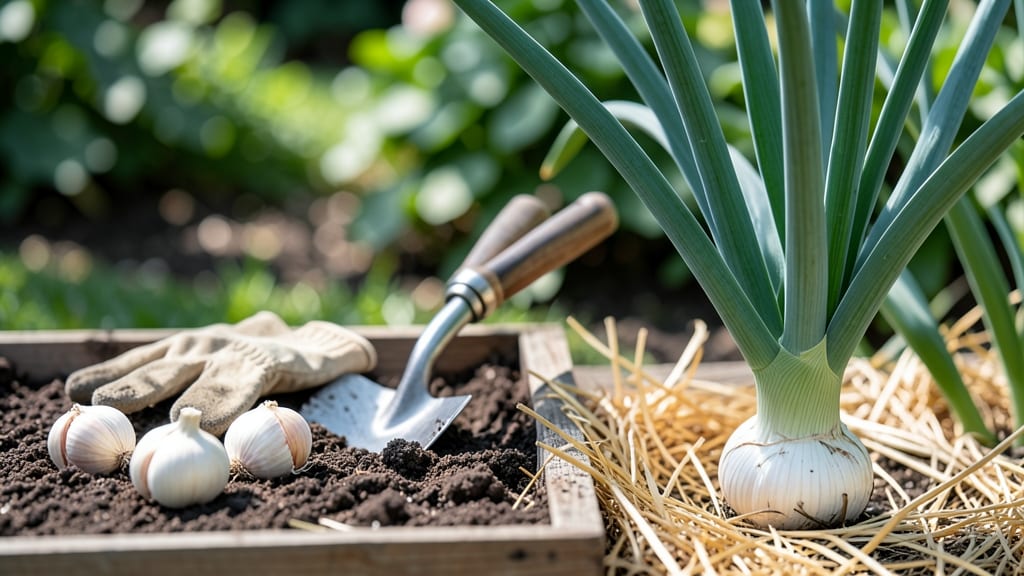
Planting garlic in Zone 9’s mild winters isn’t just about timing—it’s about working with the climate’s quirks to avoid weak bulbs or wasted effort.
Unlike colder zones, your 🧄 garlic won’t need frost to mature, but getting the fall window right is the key to a bountiful harvest next June or July.
Most gardeners in Zone 9b rush to plant too early, only to watch their cloves rot in warm soil. The secret? Aim for October through December, when temperatures dip just enough to trigger root growth without stalling the plant’s natural cycle.
This 6-week window aligns perfectly with your region’s frost-free reality.
You’ll also want to choose the right varieties—softnecks and artichoke types handle Zone 9’s warmth better than hardnecks, which struggle without a cold snap. Plus, I’ll share my top tips for soil prep and post-planting care to ensure your garlic thrives even when summer heat looms.
Skip the guesswork and learn exactly when to plant for zero-frost success, whether you’re a first-timer or a seasoned gardener looking to boost your yield. Let’s get those cloves in the ground the right way!
Optimal Zone 9 garlic planting dates: fall calendar breakdown
In Zone 9, where winters are mild and frost is rare, timing your garlic planting isn’t about escaping cold—it’s about avoiding summer heat stress. The 6-week fall window (mid-October to early December) gives garlic time to establish roots before temperatures rise.
Unlike colder zones, you don’t need frost to trigger bulb formation—just consistent cool soil temperatures (ideal: 60–65°F).
For Southern California and similar climates, aim to plant 4–6 weeks before ground cools (usually late October). This ensures roots grow before winter rains or heat spikes. Late plantings (December) may yield smaller bulbs due to summer heat arriving too soon.
Think of it as a race against the sun—plant too late, and your garlic will bolt before bulbing.
Here’s the critical timeline for Zone 9 success:
Microclimates matter in Zone 9. Coastal areas (e.g., San Diego) can plant 2 weeks later than inland deserts (e.g., Palm Springs). Use a soil thermometer to confirm temps—garlic roots need consistent coolness to grow, not freeze.
Pro tip: Plant in raised beds to moderate soil temps if your yard runs hot.
Contrary to popular belief, Zone 9 garlic doesn’t need winter chill. Instead, focus on even moisture and partial shade during summer. Overwatering in winter can rot cloves, while summer drought stunts bulbs.
The key is balancing growth speed—too fast in heat = small, pithy bulbs; too slow in cool = weak plants.
For container growers, plant 1–2 weeks earlier than in-ground beds—pots heat up faster. Use black plastic mulch to warm soil in fall (if planting early) or straw mulch to insulate in winter.
In Zone 9b, where nights rarely drop below 40°F, mulch isn’t just for frost protection—it’s for temperature stability.
Watch for heat stress signs after planting: wilting leaves by 10 AM mean it’s time to shade cloth (30–50%) or move pots to dappled sunlight.
In my Zone 9b garden, I’ve seen garlic planted in full sun in November bolt by March—so adjust based on your microclimate’s heat intensity.
Remember: Garlic in Zone 9 is a marathon, not a sprint. Planting at the right time ensures you’re not fighting the climate, but working with it. Next, we’ll dive into the best varieties for your zero-frost harvest—spoiler: softnecks rule here!
Optimal Zone 9 garlic planting dates: fall calendar breakdown
In Zone 9, where winters are mild and frost is rare, timing your garlic planting isn't about avoiding cold snaps—it's about balancing soil temperatures and daylight hours.
The sweet spot is a 6-week window starting in late October through November, but adjustments are key for your specific microclimate.
Unlike colder zones, Zone 9 garlic doesn’t need winter dormancy. Instead, focus on planting when daytime temps hover around 70-75°F and nights dip to 50-55°F. This ensures roots establish before summer heat arrives, preventing bolting (premature flowering) or stunted growth.
📅 Numbered Highlights: Zone 9 Garlic Planting Timeline
Microclimates matter! Coastal areas (e.g., San Diego) can plant 2-3 weeks earlier than inland deserts (e.g., Palm Springs). Test soil with a thermometer—60-65°F is ideal. If your garden stays warm, opt for shade cloth (30-50%) to mimic cooler conditions.
Pro tip: Plant cloves pointy-end up, 2 inches deep, and 4-6 inches apart. Use well-draining soil with compost to prevent rot. Mulch lightly (1 inch) with straw to retain moisture without smothering.
Harvest timing shifts too! In Zone 9, garlic matures 6-8 months later than in colder zones. Watch for lower leaves browning (June-July) and bulbs feeling firm when dug. Rushed harvests = smaller yields; wait too long = skin splitting.
Remember: Zone 9 garlic thrives on consistency, not cold. Plant in the fall window, protect from heat stress, and you’ll harvest plump bulbs—no frost required! 🧄