
Plants
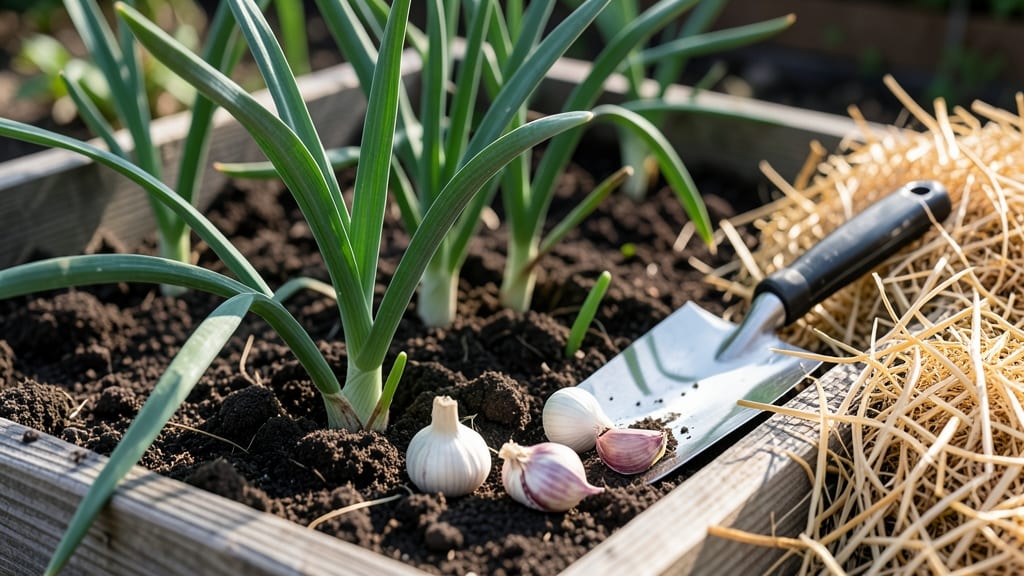
Planting garlic in the fall might seem counterintuitive, but timing it just right—6 to 8 weeks before the first frost—can yield massive, flavorful bulbs the following summer. Whether you're a seasoned gardener or a curious beginner, mastering this window is the secret to a thriving harvest.
The key lies in understanding how cold temperatures help garlic develop strong roots before winter dormancy, setting the stage for robust growth in spring.
In USDA Zone 6a, like many northern regions, this typically means getting your cloves in the ground by early October. The 🧄 thrives when planted in well-drained soil, giving it time to establish before the ground freezes.
If you miss this window, you might end up with smaller bulbs or even no harvest at all—so don’t wait until the last minute!
What makes fall planting so effective? The cold weather triggers bulb formation, while the snow acts as natural insulation. This means even if you’re in a region with harsh winters, your garlic will still have the perfect conditions to grow.
Plus, you’ll avoid the heat stress that can plague summer plantings, ensuring healthier, more resilient plants.
Ready to try it? I’ll walk you through everything you need to know—from soil prep to spacing—to make sure your garlic gets off to the best possible start. Let’s get those cloves in the ground and set yourself up for a bountiful harvest next year!
The science behind planting garlic 6-8 weeks before frost
Garlic thrives when planted in fall because it needs cold temperatures to form strong bulbs. The 6-8 week window before the first frost allows roots to establish before winter dormancy begins.
This cold period is essential for bulb development, as garlic enters a natural rest phase during winter and resumes growth in spring.
Most gardeners focus on hardneck varieties like Rocky Mountain or German Red, which require colder winters to form scapes. Meanwhile, softneck varieties like Silverskin or Artichoke tolerate milder climates and can be planted slightly later.
Understanding these differences helps you choose the right type for your USDA hardiness zone.
The key is soil temperature. Garlic roots grow best when soil temps hover between 40°F and 50°F (4°C–10°C). Planting too early can lead to excessive top growth before winter, while planting too late may leave roots underdeveloped.
The 6-8 week rule ensures roots have time to anchor before frost sets in, giving you plump, flavorful bulbs the following summer.
Here’s how the process works: After planting, garlic spends fall and winter building roots, then spring focuses on leaf and bulb growth. The first frost acts as a natural trigger, signaling the plant to shift energy from leaves to bulb formation.
This is why timing is everything—miss the window, and you’ll either get small bulbs or poor flavor.
Another critical factor is day length. Garlic is a short-day plant, meaning it responds to decreasing daylight in fall. This natural cue helps it prepare for dormancy.
In regions with early frosts, like Zone 3 or 4, aim for planting in late September or early October. In warmer Zones 8-10, you might extend the window to November.
Let’s break down the biological stages of garlic growth in fall:
- Root initiation (first 2-3 weeks after planting)
- Root establishment (weeks 4-6, before frost)
- Winter dormancy (roots stay active but slow)
- Spring regrowth (bulbs begin forming as temps rise)
- Harvest readiness (late summer, when lower leaves brown)
Hardneck garlic, in particular, benefits from vernalization—a cold treatment that promotes flowering (scapes) and bulb development. Without this cold period, bulbs may remain small and pungent. Softneck varieties are more flexible but still need cool fall temps to thrive.
One common misconception is that garlic must be planted in deep snow. In reality, mulch (like straw or leaves) protects cloves from extreme cold while allowing roots to grow.
The goal is to insulate but not suffocate the soil. Over-mulching can lead to rot, while too little leaves cloves vulnerable to freezing.
| Stage | Key Action | Ideal Conditions |
|---|---|---|
| Root Initiation | Plant cloves 4" deep, pointy-end up | Soil temp: 40°F–50°F (4°C–10°C) |
| Root Establishment | Mulch with 4–6" of straw | 6–8 weeks before frost |
| Winter Dormancy | Protect from extreme cold | Soil temp: 32°F–40°F (0°C–4°C) |
| Spring Regrowth | Remove mulch as soil warms | Daylength: 12+ hours |
| Bulb Formation | Water deeply in dry spells | Soil moisture: Medium |
If you’re in a warmer climate (e.g., Zone 9 or 10), where frosts are rare, you can still plant garlic in fall by using shade cloth or choosing softneck varieties that tolerate milder winters.
The rule of thumb remains: plant when soil temps drop below 60°F (15°C) and count backward 6-8 weeks to your average first frost date.
For example, if your first frost is November 15, aim to plant garlic by September 20–October 5. Use your local USDA frost map to pinpoint the exact window.
In northern zones, like Zone 3 or 4, you might plant as early as mid-September, while in southern zones, like Zone 7 or 8, late October or early November works best.
Pro tip: Test your soil temperature with a soil thermometer before planting. If temps are still above 60°F (15°C), wait a few weeks. Garlic cloves planted in warm soil may sprout too soon, leading to weak roots and small bulbs. Patience is key—rushing the process can backfire.
Finally, remember that organic matter in soil plays a huge role. Amend your garden bed with compost or well-rotted manure before planting to ensure garlic has the nutrients it needs for strong root development. Avoid fresh manure, which can burn cloves and stunt growth.
The science behind planting garlic 6-8 weeks before frost
Garlic thrives in cold weather, and planting it 6 to 8 weeks before your first frost gives it time to establish roots before winter dormancy. This window ensures optimal bulb development because cold temperatures trigger the formation of flavorful cloves.
Without this chill period, your garlic may produce weak, pungent bulbs—or worse, none at all!
There are two main garlic types: hardneck and softneck. Hardnecks, like 'Rocky Mountain' or 'German White,' need cold to form scapes and bulbs, making them ideal for fall planting. Softnecks, such as 'Silverskin' or 'Artichoke,' are more flexible but still benefit from cooler weather to develop properly.
When you plant garlic in fall, the root system develops first before the ground freezes. Once winter arrives, the plant enters dormancy, and the cold hardens the cloves. By spring, warmth signals the plant to focus on bulb expansion, resulting in larger, more robust harvests.
| Garlic Type | Cold Requirement | Best Planting Window | Bulb Maturity |
|---|---|---|---|
| Hardneck | Requires 40-60°F (4-15°C) for 60+ days | 6-8 weeks before frost (Oct-Nov) | Late summer (July-Aug) |
| Softneck | Tolerates milder winters (Zones 5+) | 4-6 weeks before frost (Nov) | Early fall (Sept-Oct) |
If you live in a warmer climate (Zones 7-10), plant garlic in winter or early spring instead. The key is ensuring the soil temperature stays below 70°F (21°C) for root development.
In colder regions (Zones 3-6), aim for mid-October to give garlic enough time to root before the ground freezes.
Pro tip: Use a soil thermometer to monitor temperatures. Garlic roots grow best when soil is between 50-60°F (10-15°C). If your soil is too warm, wait a few weeks before planting to avoid stressing the cloves.
Once planted, mulch with straw or leaves to insulate the soil and protect garlic from extreme cold. This layer also suppresses weeds and retains moisture, giving your garlic a head start in spring.
With the right timing and care, you’ll harvest plump, flavorful bulbs that rival store-bought—and taste far superior! 🌱