
Plants
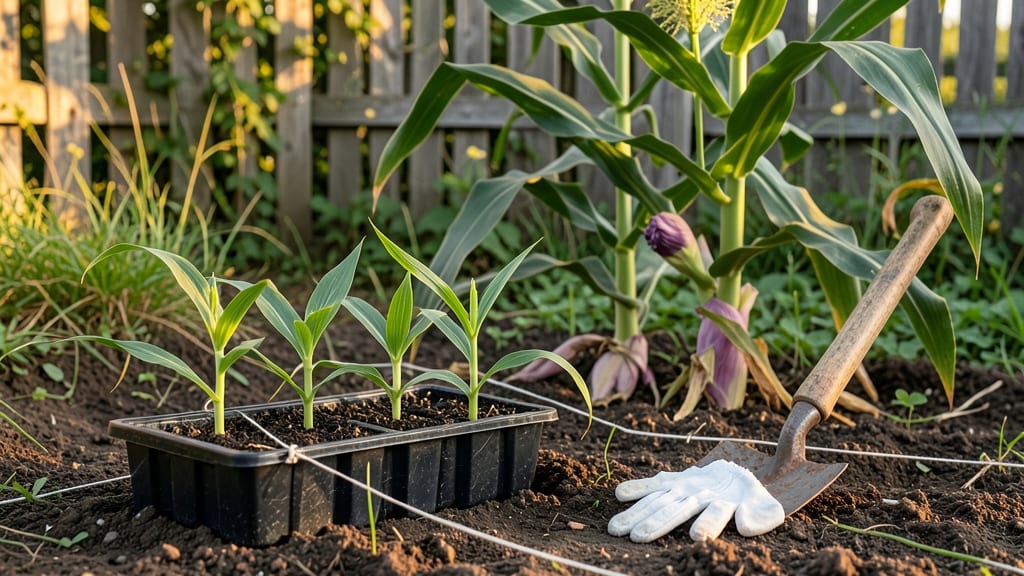
Planting your 🌽 corn at the wrong time in Tennessee could mean the difference between a lush, golden harvest and a sad, stunted disappointment. With USDA zones 6a-7b and frost dates that shift dramatically from East to West Tennessee, timing is everything.
Most gardeners in the Volunteer State aim to plant between April 15 and May 15, but that window can shift by weeks depending on your county. Too early, and a late frost will wipe out tender seedlings. Too late, and your corn may mature just as summer cools down.
What you’ll discover here is how to pinpoint the perfect planting window for your specific location—whether you’re in the cooler Appalachian foothills or the warmer western plains.
We’ll break down frost risk zones, soil temperature tips, and even how to adjust for microclimates that can make a 10-degree difference in your garden’s success.
Ready to grow corn that towers over your fence? Let’s get started with the exact dates and strategies that work for Tennessee’s diverse growing conditions.
Tennessee corn planting dates by last frost risk zones
Planting corn in Tennessee requires precision timing, as the state's three distinct regions—East, Middle, and West—experience varying frost risks and last-frost dates. The USDA Hardiness Zones 6a-7b dominate Tennessee, but microclimates within these zones create 10-14 day differences in planting windows.
For example, Memphis (West TN) typically has a last frost around April 15, while Bristol (East TN) often sees frost lingering until mid-April.
To maximize your corn yield, align planting with soil temperatures of 60°F+ and frost-free dates. Early varieties (like 'Silver Queen') thrive when planted 2 weeks after last frost, while late varieties (like 'Peaches and Cream') benefit from mid-May planting to avoid fall frost before maturity.
Tennessee’s growing season spans 165 frost-free days, so timing is critical for ear development and kernel plumpness.
Here’s how to break down planting by region, using county-specific frost data to guide your schedule:
| Region | Last Frost Date | Optimal Planting Window | Soil Temp Requirement | Harvest Window |
|---|---|---|---|---|
| East TN (e.g., Johnson, Sullivan) | April 10-20 | April 25 - May 5 | 60°F+ (2 weeks post-frost) | Late July - Early Sept |
| Middle TN (e.g., Davidson, Rutherford) | April 1-15 | April 20 - May 10 | 60°F+ (10-14 days post-frost) | Mid-July - Late Aug |
| West TN (e.g., Shelby, Fayette) | March 25 - April 10 | April 15 - May 1 | 55°F+ (earlier warm-ups) | Early July - Mid-Aug |
| High Elevation (e.g., Sevier, Cocke) | April 20-30 | May 5 - May 15 | 65°F+ (cooler soils) | Late Aug - Early Sept |
*Adjust for early/late varieties and local weather.
For East Tennessee, where higher elevations delay warmth, consider late-season varieties like 'Black Aztec' to extend harvests into September.
In West Tennessee, earlier planting (as early as mid-April) is safe due to warmer microclimates, but avoid planting before soil reaches 55°F to prevent seed rot.
Use USDA Plant Hardiness Zone Map tools to verify your specific county’s frost dates.
For example, Nashville (Zone 7a) typically plants April 15-May 1, while Chattanooga (Zone 7b) can start 10 days earlier. Seed packet guidelines often suggest planting 2 weeks after last frost, but Tennessee’s variable spring weather may require flexibility—especially in valley vs. ridge locations.
Pro tip: Test soil temperature with a soil thermometer (bury it 2 inches deep) before planting. Corn seeds need consistent warmth to germinate; fluctuating temps below 50°F can stall growth. In cooler years, opt for short-season varieties like 'Ambrosia' (60-day maturity) to ensure harvest before frost.
If you’re in a transition zone (e.g., Knoxville to Nashville), split your planting into two batches: one early (April 25) for fast-maturing varieties and one late (May 10) for larger ears. This staggered approach spreads harvest risk and ensures continuous fresh
How to adjust corn planting for Tennessee’s microclimates
Tennessee’s diverse geography—from the Appalachian Mountains in the east to the Cumberland Plateau in the center and the Mississippi River floodplain in the west—creates microclimates that can shift your corn planting window by 2-4 weeks.
If you’re in a higher-elevation valley like Sevier County, you might need to wait until late April, while lowland areas like Memphis can start as early as mid-March for early-maturing varieties. The key is understanding how elevation, soil warmth, and local frost patterns interact in your specific area.
Start by checking your USDA Plant Hardiness Zone (Tennessee ranges from 6a to 7b), but don’t rely solely on this—microclimates override zone guidelines. For example, Nashville’s urban heat island can push soil temperatures 5°F warmer than rural areas just 20 miles away.
Use a soil thermometer to confirm when your soil hits the ideal 60°F for planting; cold soil stunts root growth and delays germination by up to 10 days. Pro tip: Plant test rows 2 weeks apart to compare growth rates in your specific spot.
Another critical factor is local frost risk. While the state’s average last frost date is April 15, mountainous regions like Great Smoky Mountains National Park can experience late frosts into May 10.
Use the National Weather Service’s frost prediction maps or local agricultural extension offices for hyper-localized data. For instance, Chattanooga’s frost-free date is typically April 5, but nearby Lookout Mountain can be 2 weeks later.
Always plant at least 2 weeks after your area’s last frost date to avoid frost damage to young seedlings.
- 📍 Elevation: Add 1 day of frost risk per 300 ft elevation gain (e.g., 2,000 ft = +7 days delay).
- 🌡️ Soil Temperature: Wait until soil reaches 60°F at 4-inch depth—use a soil thermometer for accuracy.
- 🌿 Variety Selection: Choose early-maturing (60-75 days) for high-elevation areas; mid-season (90-100 days) for lowlands.
Don’t overlook urban vs. rural differences. Cities like Nashville or Knoxville trap heat, allowing earlier planting, but they also have higher humidity, which increases fungal risks like corn smut.
If you’re in an urban garden, opt for disease-resistant varieties like ‘Silver Queen’ or ‘Peaches and Cream’ and space plants 4 inches wider than recommended for better airflow. For rural areas, focus on drought-tolerant varieties if your soil drains poorly, such as ‘Bodacious’ or ‘Pioneer 39T23’.
Leverage seed packet guidelines as a baseline but adjust for your microclimate. For example, if your packet says “plant 2 weeks before last frost” but your area has a high late-frost risk, extend that to 3 weeks.
Conversely, in lowland heat sinks like the Tennessee Valley, you can plant 1-2 weeks early for early varieties. Always pair this with a frost-free date calculator like the one from the Old Farmer’s Almanac or your local Cooperative Extension Service.
Finally, monitor weather patterns in the weeks leading up to planting. If forecasts predict unseasonably cold temperatures (below 50°F) after your planned planting date, delay by 1-2 weeks or use row covers to protect seedlings.
In West Tennessee, where heat arrives earlier, you can even experiment with late summer plantings (around July 15) for a fall harvest, though this requires short-season varieties like ‘Early Sunglow’ (68 days).
By fine-tuning your approach to your specific microclimate, you’ll avoid the #1 mistake Tennessee gardeners make: planting at the “average” date without accounting for local variations.
A little extra effort here translates to healthier plants, bigger ears, and a harvest you can proudly share—whether it’s grilled corn on the cob or homemade cornmeal. 🌽