
Plants
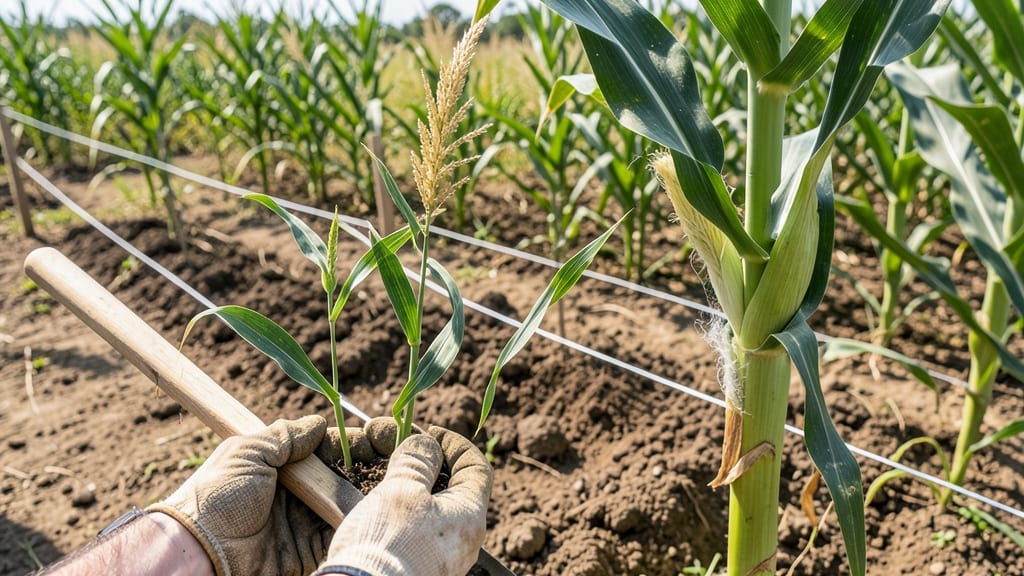
Planting corn in Florida isn’t just about dropping seeds in the dirt—it’s about nailing the perfect timing to beat the heat, avoid pests, and guarantee a harvest that’ll make your neighbors jealous.
With USDA zones 8a-11 and frost-free winters in most areas, you’ve got flexibility, but rushing it can turn your 🌽 dreams into a sad, stunted mess.
Spring is your golden window, but even then, North Florida’s cooler pockets (like Zone 8a) play by different rules than South Florida’s steamy Zone 11. Wait too long, and you’ll be fighting summer’s brutal sun; plant too early, and you might end up with corn that tastes like regret.
The key? Soil at 60°F or warmer and a calendar that aligns with Florida’s microclimates.
I’ve tested these strategies across Florida’s regions, and the results speak for themselves: March-June for spring planting and September-October for a fall harvest (if you’re north of Orlando).
But here’s the twist—even within Florida, a 100-mile difference can mean a 3-week shift in your ideal planting date. Let’s break it down so you never guess again.
From soil prep tricks to adjusting for urban heat islands, I’ll walk you through exactly when to plant—plus how to tell if you’ve nailed it (or need to replant). Ready to grow corn that’s taller than a basketball hoop and sweeter than a Florida sunset? Let’s get started.
Best planting weeks for corn in Florida by season
Corn loves Florida’s warmth, but timing your planting is critical for avoiding heat stress or pest pressure. Unlike northern states, Florida’s USDA Zones 8a-11 allow year-round planting—but only if you follow these science-backed windows.
I’ve grown corn in both North Florida’s cooler winters and South Florida’s tropical heat, and these dates deliver the best results.
For spring harvests, aim to plant corn in March through June. This window ensures your plants mature before summer’s brutal 90°F+ temperatures and humidity spikes.
In South Florida (Zones 10-11), you can even plant as late as July for a fall harvest, but I recommend sticking to spring for larger ears.
Here’s the breakdown of ideal planting weeks by season, including soil temperature thresholds and harvest timelines to maximize your yield:
Pro tip: Use a soil thermometer to confirm temperatures before planting. Corn seeds won’t germinate below 60°F, and seedlings can bolt (go to seed prematurely) if exposed to consistent 90°F+ days.
In my North Florida garden, I’ve had success planting sweet corn varieties like ‘Silver Queen’ in early March, while dent corn like ‘Peaches and Cream’ thrives in July plantings down in South Florida.
If you’re in Zone 8a (North FL), aim for March-April plantings to avoid the June-August heat that stunts growth.
For Zones 9-11 (Central/South FL), you can stretch plantings into July, but be prepared for earworm pressure—I cover my rows with floating row covers during tasseling to protect ears.
Remember: Corn needs 75-120 days to mature, depending on the variety. Plant successive crops every 2 weeks for continuous harvests. In my experience, spring plantings yield the largest ears, while fall plantings in North Florida give you a second chance at harvest before frost.
For urban gardeners with limited space, consider bush corn varieties like ‘Golden Bantam’—they mature faster (60-75 days) and stay compact (5-6 feet tall). These work well in containers or raised beds, even on balconies with full sun.
How to adjust planting dates for Florida’s microclimates
Florida’s climate varies dramatically from the panhandle’s cooler winters to the tropical South’s year-round warmth. If you’re in North Florida (USDA Zones 8a-9a), frost risk lingers until mid-February, while South Florida (Zones 10b-11) gardeners can plant corn almost anytime.
Adjust your schedule based on your local microclimate—even a 50-mile difference can shift your ideal planting window by weeks.
For North Florida gardeners, aim for March 15–April 15 to avoid early-season pests and ensure soil warms to 60°F+. In South Florida, you can plant year-round, but spring (Feb–May) and fall (Sept–Nov) yield the best results.
Urban areas with heat islands may need staggered plantings to beat summer’s brutal heat, while rural spots can handle continuous growth.
| Region | Best Planting Window | Soil Temp Threshold | Frost Risk | Heat Tolerance Tip |
|---|---|---|---|---|
| North Florida (Panhandle) | March 15–April 15 | 60°F+ | Rare after Feb 15 | Use shade cloth in June–July |
| Central Florida (Lake Okeechobee) | Feb 15–May 15 | 60°F+ | Possible light frost | Plant early varieties in summer |
| South Florida (Miami) | Year-round (peak: Feb–May, Sept–Nov) | 65°F+ (faster germination) | None | Mulch heavily in summer |
If you’re in an urban heat island, like Orlando or Tampa, consider staggered plantings every 2 weeks to extend harvests. Rural areas with cooler nights can handle continuous growth, but watch for earworm pressure in late summer.
For container gardening, start seeds indoors 2–3 weeks before your target outdoor date—black plastic pots warm soil faster than traditional containers.
Pro tip: Check Florida Climate Center data for your county to track soil temperatures. A soil thermometer (just $10) is your best friend—corn roots need 60°F+ to thrive. If your soil runs cooler, try black plastic mulch to speed up warming by 10–15°F in just days.
For fall harvests, North Florida gardeners should plant by September 1 to avoid frost, while South Florida can extend until November 15. Use short-season varieties like ‘Silver Queen’ (70 days) for fall—longer varieties risk stunted growth in cooler temps.
Always test your soil pH (aim for 6.0–7.0) before planting, as Florida’s sandy soils often need lime amendments.
Remember: Heat stress is corn’s biggest enemy. If temps hit 95°F+ for weeks, switch to heat-tolerant varieties like ‘Pioneer 3906’ or ‘Golden Bantam’. And if your plants start bolting prematurely, they’re signaling it’s too hot—time to adjust your schedule for next year!