
Plants
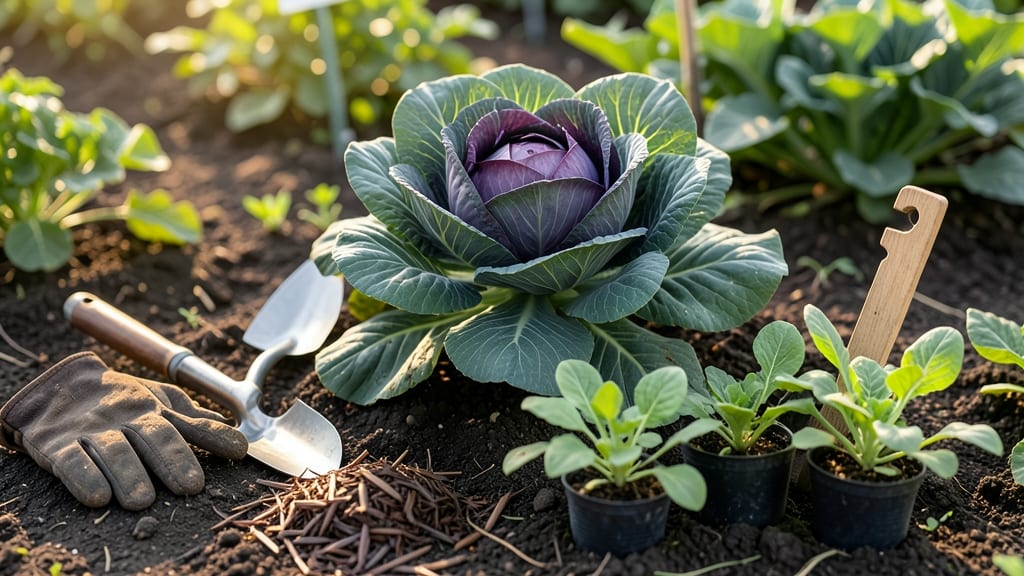
Planting 🥬 cabbage in North Carolina at the wrong time can mean the difference between a bumper harvest and bolted, bitter greens. The key? Timing your seeds or transplants to align with your specific USDA zone—whether you're in the cooler Piedmont or the warmer Coastal Plain.
Most gardeners in zones 7a-8b know spring is the prime window, but late summer plantings can also yield great results if you follow the right schedule.
I’ve grown cabbage here for years, and I’ll share exactly when to start seeds indoors, when to transplant, and how to stretch your growing season for continuous harvests.
You’ll discover how to avoid common mistakes like planting too early (risking frost damage) or too late (bolting in summer heat). With these zone-specific tips, you’ll know exactly when to put those seeds in the ground for firm, flavorful heads all season long.
Ready to grow cabbage like a local? Let’s break down the perfect planting calendar for your North Carolina garden—no guesswork, just guaranteed success.
North Carolina cabbage planting calendar by USDA zones (7b, 8a, 8b)
North Carolina spans USDA Zones 7b through 8b, each with distinct frost dates that dictate your cabbage planting windows. In Zone 7b (e.g., Raleigh), the last frost typically arrives around March 15, while Zone 8b (e.g., Wilmington) sees frost-free conditions by February 28.
These differences mean your spring planting should start 4-6 weeks before your local last frost date.
For fall cabbage, timing is equally critical. Plant 100-130 days before your first frost (mid-November in most of NC). In Zone 8b, this means sowing seeds indoors by late July, while Zone 7b gardeners should start by mid-August to ensure mature heads before winter sets in.
Soil temperature is another key factor. Cabbage seeds germinate best when soil reaches 45°F (7°C), but seedlings thrive in 60-70°F (15-21°C) soil. In NC’s humid climate, direct sowing in early spring can lead to rot or damping-off if soil is too cold.
Starting seeds indoors 6-8 weeks before transplanting solves this problem.
Variety selection also impacts timing. Fast-maturing varieties like 'Golden Acre' (58 days) work well for succession planting, while slower growers like 'Red Express' (85 days) need earlier starts. In Zone 8a (e.g., Charlotte), you can even squeeze in a late summer planting for fall harvests.
Here’s a zone-specific breakdown of your ideal planting windows, including frost dates and soil prep tips to maximize success:
| USDA Zone | Last Frost Date | First Frost Date | Spring Planting Window | Fall Planting Window |
|---|---|---|---|---|
| Zone 7b (Raleigh, Greensboro) | March 15 | November 15 | Indoors: Feb 1-15 Outdoors: March 1-15 |
Indoors: Aug 1-15 Outdoors: Sept 1-15 |
| Zone 8a (Charlotte, Fayetteville) | March 1 | November 1 | Indoors: Jan 15-Feb 1 Outdoors: Feb 15-March 1 |
Indoors: July 15-Aug 1 Outdoors: Aug 15-Sept 1 |
| Zone 8b (Wilmington, Asheville) | February 28 | October 31 | Indoors: Jan 1-Feb 1 Outdoors: Feb 1-15 |
Indoors: July 1-July 15 Outdoors: July 15-Aug 1 |
Pro tip: Use floating row covers to extend your spring planting by 2-3 weeks in cooler zones like 7b. These lightweight fabrics protect seedlings from light frosts (28°F/-2°C) while allowing sunlight and air flow. Just remove them when daytime temps hit 70°F (21°C) to prevent overheating.
For fall cabbage, focus on heat-tolerant varieties like 'Cavalo' or 'Early Jersey Wakefield', which handle NC’s summer humidity better than standard types. Plant these late July to early August for a September-October harvest before cold snaps arrive.
One common mistake? Ignoring soil fertility. Cabbage is a heavy feeder, so amend your beds with compost or aged manure before planting. In NC’s clay-heavy soils (common in the Piedmont), mix in sand or peat moss to improve drainage.
A soil pH of 6.5–6.8 is ideal—test yours with a home kit before sowing.
Finally, keep an eye on pest pressure during NC’s humid summers. Cabbage worms and flea beetles thrive in warm weather, so rotate crops yearly and use row covers or neem oil sprays as needed. With the right timing and care, you’ll enjoy crisp, homegrown cabbage from spring through fall! 🥬
How to extend cabbage season in North Carolina (cold frames, row covers, succession planting)
North Carolina’s unpredictable weather can make growing cabbage a challenge, but with the right strategies, you can enjoy fresh heads nearly year-round. Cold frames and row covers protect tender plants from late frosts and early chills, while succession planting ensures a continuous harvest.
These low-cost techniques let you push your cabbage season 2-3 months earlier in spring and 1-2 months later in fall—without expensive greenhouses.
The key is timing: start with hardy varieties like ‘January King’ or ‘Golden Acre’ for early plantings, and use season extenders to shield seedlings during critical growth phases. Even in USDA Zone 8b, where winters are milder, a simple floating row cover can prevent bolting from cold snaps.
Let’s break down the best methods to maximize your harvest.
🌱 5 Ways to Extend Cabbage Season in NC
- Cold Frames: Use for early spring starts (Jan-Feb) or late fall harvests (Oct-Nov). Maintain soil temps above 40°F to prevent stunting.
- Row Covers: Protect seedlings from light frosts (28-32°F) and pests. Remove during hot days to avoid overheating.
- Succession Planting: Sow seeds every 2-3 weeks from March to August for overlapping harvests. Adjust timing based on your last frost date.
- High Tunnels: For serious gardeners, these create a microclimate 10-15°F warmer than outside, extending the season by 4-6 weeks.
- Shade Cloth: Use 30-50% shade in summer to prevent bolting from heat stress (above 85°F).
For spring plantings, start seeds indoors 6-8 weeks before your average last frost (e.g., late January for Raleigh, early February for Asheville).
Transplant seedlings into the garden 2-3 weeks before the last expected frost, then cover with a lightweight row cover for the first 2 weeks to harden them off. This buffer helps seedlings establish roots before facing NC’s cool, damp springs.
In Zone 7b, where frosts linger longer, delay outdoor planting until mid-March and use cold frames for an earlier start.
Fall cabbage thrives with succession planting every 3 weeks from July to August. Aim to harvest before first frost (mid-November in Raleigh, late October in the Mountains). Use row covers to shield late-season plants from 25-30°F temperatures, which can damage leaves but rarely kill the head.
For winter storage, harvest heads when firm and store in a cool (32-35°F), humid environment—like a root cellar—to enjoy cabbage through January and February.
One common mistake is overestimating how much protection row covers provide. While they shield from light frosts, they won’t stop hard freezes (below 25°F). Pair them with mulch (straw or leaves) for extra insulation.
Also, avoid planting too late in summer—cabbage needs 60-80 days to mature, so late August starts may not finish before frost. Instead, opt for fast-maturing varieties like ‘Early Jersey Wakefield’ (58 days) for extended fall harvests.
Finally, rotate your planting areas to prevent soil-borne diseases like clubroot, which thrives in NC’s acidic soils. Amend beds with lime to maintain a pH of 6.5-6.8 and add compost for nutrients. With these strategies, you’ll turn NC’s short growing season into a year-round cabbage feast—no greenhouse required!
🥬