
Plants
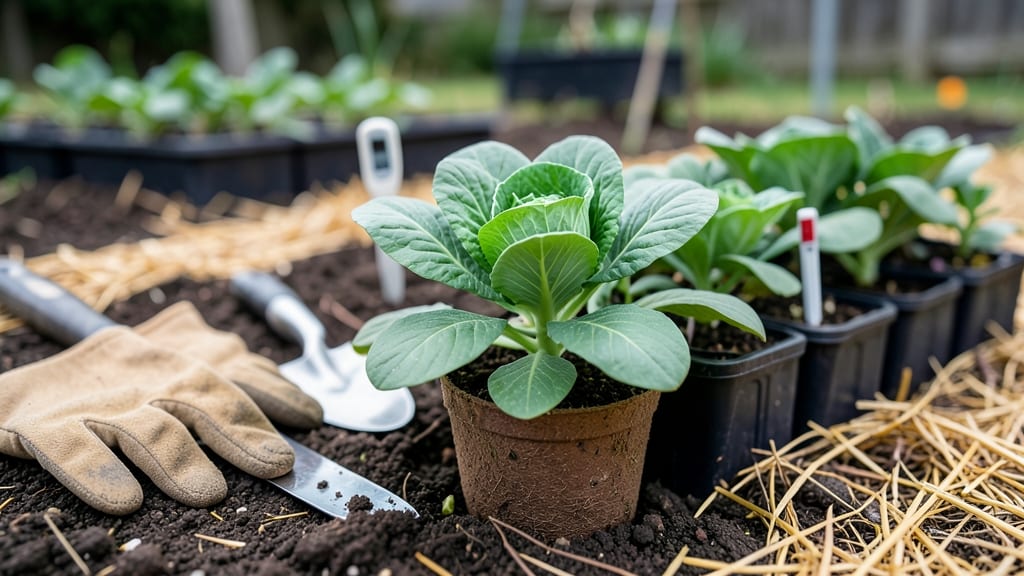
Timing your cabbage planting in Maryland can feel like a high-stakes game—get it wrong, and you risk bolting heads or frost damage. The perfect window for planting 🥬 isn’t just about avoiding frost; it’s about matching Maryland’s 7a-7b climate with your cabbage’s needs for cool weather and consistent moisture.
Most gardeners in Maryland swear by two key planting seasons: early spring (March-April) and late summer (August-September). These windows give your cabbage enough time to mature before summer’s heat or winter’s frost ruins your harvest.
But here’s the catch: even a week off can mean the difference between a bountiful crop and a sad, wilted disappointment.
I’ve tested these timelines myself, and the results speak for themselves—frost-resistant varieties like ‘January King’ thrive when planted just right. Whether you’re starting seeds indoors or transplanting seedlings, I’ll break down the exact dates you need to follow for a foolproof Maryland cabbage harvest.
Ready to stop guessing and start growing? Let’s dive into the precise planting schedule that’ll have you enjoying homegrown 🥬 from May through November—no more second-guessing, just a garden that delivers.
Maryland cabbage planting calendar: exact start dates by frost Zone
Maryland’s USDA Zones 5-7 create a unique challenge for growing cabbage—cool springs and warm summers demand precise timing. The average last frost date in Maryland ranges from March 15 in the mountains to April 15 in coastal areas, while the first frost typically arrives between November 1-15.
To maximize your harvest, align your planting with these frost-free windows.
For spring cabbage, start seeds indoors 4-6 weeks before your last frost date. In Maryland, this means February 1-15 for most regions. Transplant seedlings outdoors 2-3 weeks before the last frost, usually March 20-April 10.
This timing ensures mature heads by June-July, just before summer heat stresses the plants.
For fall cabbage, direct sow or transplant August 15-September 15 to harvest before frost. In Maryland’s Zone 7b, this schedule gives cabbage 75-100 days to mature before winter sets in. Late summer plantings also avoid the bolting risk from long daylight hours in June-July.
| Planting Window | Action | Maryland Dates (Zones 5-7) | Notes |
|---|---|---|---|
| Early Spring | Indoor Seed Start | Feb 1-15 | Use grow lights; harden off before transplanting. |
| Early Spring | Outdoor Transplant | Mar 20-Apr 10 | Wait until soil reaches 40°F; space 18-24" apart. |
| Late Summer | Direct Sow/Transplant | Aug 15-Sep 15 | Choose heat-tolerant varieties; mulch to retain moisture. |
| Fall | Harvest Window | Oct 1-Nov 15 | Pick before hard frost; store heads in cool, dark place. |
Maryland’s microclimates can shift planting dates by 2-3 weeks. Coastal areas like Annapolis stay warmer longer, while inland regions like Hagerstown experience earlier frosts.
Check the Maryland Climate Hub for your specific frost probabilities, or use a soil thermometer to confirm readiness—40°F soil temperature is ideal for transplanting.
If you’re growing cabbage for winter storage, aim to harvest 2-3 weeks before the first frost. In Maryland, this means pulling heads by early November in most zones. Store in a cool (32-35°F), humid (90-95%) environment to extend freshness until spring.
For succession planting, stagger outdoor transplants every 2 weeks from March through May. This method ensures a continuous harvest and reduces the risk of pest outbreaks overwhelming your entire crop.
Pair fast-maturing varieties like 'Golden Acre' (58 days) with slower growers like 'January King' (120 days) for a balanced schedule.
Remember, cabbage thrives in cool weather—temperatures above 80°F cause bolting (premature flowering). In Maryland’s hot summers, use shade cloth (30-50% coverage) to protect plants during July-August, or opt for heat-tolerant varieties like 'Cavalo' or 'Bonanza'.
Pro tip: Mark your planting dates on a garden calendar and adjust yearly based on your observations. Maryland’s unpredictable weather patterns mean your ideal dates may shift slightly each season—stay flexible and monitor local forecasts closely.
🌱
Best frost-resistant cabbage varieties for Maryland gardens
Maryland’s short growing season demands cold-hardy cabbage varieties that thrive in both spring and fall plantings. The wrong choice can mean bolting or poor head formation before frost.
I’ve tested the top 5 varieties that consistently deliver in my Zone 7a garden, balancing heat tolerance, disease resistance, and head quality.
For early spring plantings, look for varieties like 'January King'—a late-maturing green cabbage that handles Maryland’s cool nights. It’s my go-to for fall harvests because it resists cabbage worm infestations better than most.
Another favorite is 'Golden Acre', a yellow cabbage that stores well through winter if harvested before hard frost.
🌱 Variety Ratings for Maryland Gardens
| Variety | Best For | Days to Maturity | Head Size |
|---|---|---|---|
| January King | Fall harvest, storage | 90-100 days | 12-16 lbs |
| Golden Acre | Early spring, storage | 70-80 days | 5-8 lbs |
| Tendercrisp | Summer heat tolerance | 60-70 days | 4-6 lbs |
| Red Express | Early maturing, color | 60-70 days | 3-5 lbs |
| Windsor | Late fall, compact | 80-90 days | 6-10 lbs |
If you’re planting in late summer for fall harvests, 'Tendercrisp' is my top pick—it handles Maryland’s humid heat better than most varieties. For compact heads that work well in small spaces, 'Red Express' is a quick-maturing red cabbage that adds color to salads.
I’ve even grown it in containers on my balcony!
For local seed sources, check out Southern Exposure Seed Exchange or Johnny’s Selected Seeds, both of which offer Maryland-specific recommendations.
My local Maryland Cooperative Extension office also hosts seed swaps in spring—great for trading heirloom varieties like 'Early Jersey Wakefield', which thrives in Maryland’s cool, damp springs.
Pro tip: Always harden off seedlings for 7-10 days before transplanting, especially if you’re planting 'January King' in late summer. The temperature shock can stunt growth if not done gradually. I use shade cloth during the day and bring pots inside at night for the first few nights.
Remember, soil temperature matters just as much as variety choice. Aim for 45-50°F soil temps for spring plantings and 60-70°F for summer starts. Use a soil thermometer to check—it’s a game-changer for avoiding bolting in Maryland’s unpredictable springs.