
Flowers
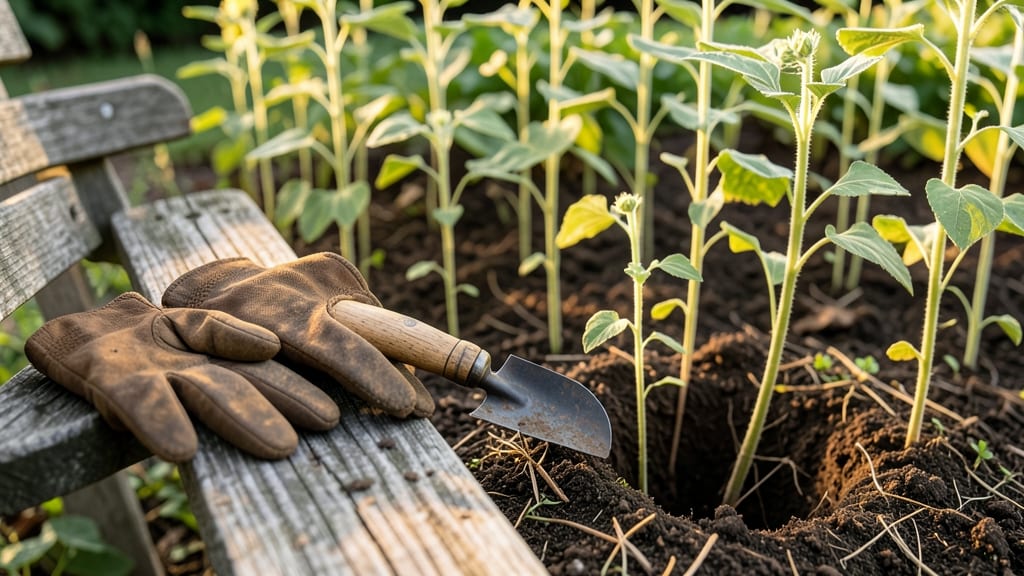
Planting sunflowers in Florida year-round might sound tempting, but timing is the key to avoiding wilted stalks and missed blooms. Unlike northern states, Florida’s frost-free zones (like 8a-11) let you grow them almost anytime—but heat and humidity demand strategy.
Most gardeners swear by spring and fall as the sweet spots, when temperatures cooperate and rainfall isn’t overwhelming. Yet even in the warmest zones, late summer planting risks bolting before flowers open.
I’ll break down the exact windows for North vs. South Florida, so you can start seeds or direct-sow with confidence.
Whether you’re a beginner with 🌻 dwarf varieties or a veteran growing giants, knowing when to plant means fewer pests, stronger stems, and blooms that last. Skip the guesswork—let’s get your sunflowers off to the right start.
From soil prep to heat-resistant varieties, I’ll cover everything you need to turn Florida’s long growing season into your advantage. Ready to grow sunflowers that thrive, not just survive?
Florida heat-zone planting calendar for sunflowers: best months by region
Florida’s frost-free climate means you can grow sunflowers year-round, but timing matters for optimal growth and blooming. Unlike northern states, Florida’s USDA Zones 8a-11 allow for extended growing seasons, but heat and humidity require strategic planting.
In North Florida (Zones 8a-9a), you’ll want to avoid the hottest summer months, while South Florida (Zones 10a-11) offers more flexibility with cooler fall and winter planting.
Sunflowers thrive best when planted during cooler transitions—either early spring or late summer/fall. This timing helps them establish roots before intense Florida heat sets in. For North Florida gardeners, the ideal window is February through April or August through October.
Meanwhile, South Florida gardeners can plant year-round, with peak success in September through March.
Here’s a breakdown of the best planting months for each Florida region to maximize your sunflowers’ height, bloom size, and disease resistance:
| Region | USDA Zone | Best Planting Months | Avoid Planting | Notes |
|---|---|---|---|---|
| North Florida | 8a-9a | February-April, August-October | May-July (extreme heat) | Cooler temps prevent bolting and fungal stress. |
| Central Florida | 9b-10a | January-March, September-November | June-August (peak humidity) | Fall planting yields larger blooms in cooler weather. |
| South Florida | 10b-11 | Year-round (best: Sept-Mar) | April-May (high pests) | Winter planting avoids aphid infestations. |
For North Florida, planting in February or March gives sunflowers time to mature before summer’s 90°F+ temperatures stress them. If you miss this window, August or September is your next best bet—just ensure they’re well-watered during establishment.
In Central and South Florida, the fall season (September-November) is ideal because it aligns with cooler, drier weather, reducing the risk of powdery mildew and root rot.
If you’re growing dwarf varieties (like ‘Teddy Bear’ or ‘Moulin Rouge’), they tolerate summer heat better than giant varieties (like ‘Russian Giant’). For tall sunflowers, prioritize spring or fall planting to avoid stem weakness from excessive humidity.
In South Florida’s Zone 11, you can even plant in December for spring blooms, but use shade cloth if temperatures dip below 60°F.
Pro tip: Use a soil thermometer to check if soil temps are above 60°F before planting—sunflower seeds need warm soil to germinate. In North Florida, wait until soil reaches 65°F+ to avoid slow germination.
For container gardening, plant in larger pots (12+ inches deep) to prevent root-bound stress during Florida’s humid summers.
One common mistake is assuming sunflowers can handle any Florida heat. While they’re heat-tolerant, prolonged 95°F+ temps can cause bolting (premature flowering) or leaf scorch. To mitigate this, plant shade-tolerant varieties like ‘Autumn Beauty’ in part-shade gardens or use lightweight shade cloth (30%) during peak afternoon sun.
For continuous blooms, stagger plantings every 2-3 weeks in spring and fall. This ensures a steady supply of fresh flowers and seed heads for birds. In South Florida, you can even enjoy three harvests per year by planting in January, June, and October.
🌻
How to prepare sunflower seeds for Florida’s climate: soil, spacing, and sun requirements
Florida’s humid heat and sandy soil can challenge sunflower growth if you don’t prep correctly. Unlike cooler climates, sunflowers here need well-draining soil to prevent root rot, while also thriving in intense sunlight.
Start by testing your soil’s pH—aim for 6.0-7.0—and amend with compost if it’s too sandy or acidic. This step is critical because Florida’s native soil often lacks nutrients sunflowers crave.
For direct sowing, which is ideal in Florida’s frost-free zones, plant seeds 1/2 inch deep after the last frost (though rare, northern Florida may see light frost in January-February). Space dwarf varieties 12 inches apart, while standard types need 24+ inches to avoid competition.
Pro tip: Use a moisture meter to ensure soil stays damp but not soggy—sunflowers hate waterlogged roots.
Step-by-Step Sunflower Prep for Florida
- Test Soil: Check pH (6.0-7.0) and add compost if needed.
- Choose Seeds: Pick heat-tolerant varieties like ‘Autumn Beauty’ or ‘Moulin Rouge’.
- Sow Depth: Plant seeds 1/2 inch deep in loose, well-drained soil.
- Spacing: Dwarf: 12 inches | Standard: 24+ inches apart.
- Sunlight: Ensure 6+ hours of direct sun daily (south-facing spots are best).
- Watering: Deep soak every 2-3 days until established.
Sunflowers in Florida need full sun exposure—at least 6+ hours daily—to reach their full height and vibrant color. If you’re growing in containers or urban spaces, place them near south-facing windows or use reflective surfaces (like white walls) to maximize light.
Avoid shaded areas, as this leads to leggy, weak stems that flop over in humidity.
Once seeds sprout (usually in 7-14 days), thin seedlings to your chosen spacing to reduce competition. Mulch around the base with straw or pine needles to retain moisture and suppress weeds—Florida’s heat dries soil quickly.
Avoid synthetic mulches, which can overheat the roots. Water deeply in the morning to prevent fungal diseases like powdery mildew, which thrives in Florida’s damp air.
For container gardening, use pots at least 12 inches deep with drainage holes. Fill with a mix of potting soil and perlite to improve aeration. Place containers in wheelbarrows or elevated stands to mimic Florida’s well-draining native soil.
Dwarf varieties like ‘Teddy Bear’ are perfect for balconies or small yards, while taller types need staking to support their heavy seed heads in humid conditions.
Finally, monitor for pests like aphids or beetles, which are common in Florida’s warm climate. Spray affected plants with neem oil or insecticidal soap early in the morning to avoid harming beneficial insects.
With the right prep, your sunflowers will bloom tall and proud—even in Florida’s intense summer heat. 🌻