
Companion Plants
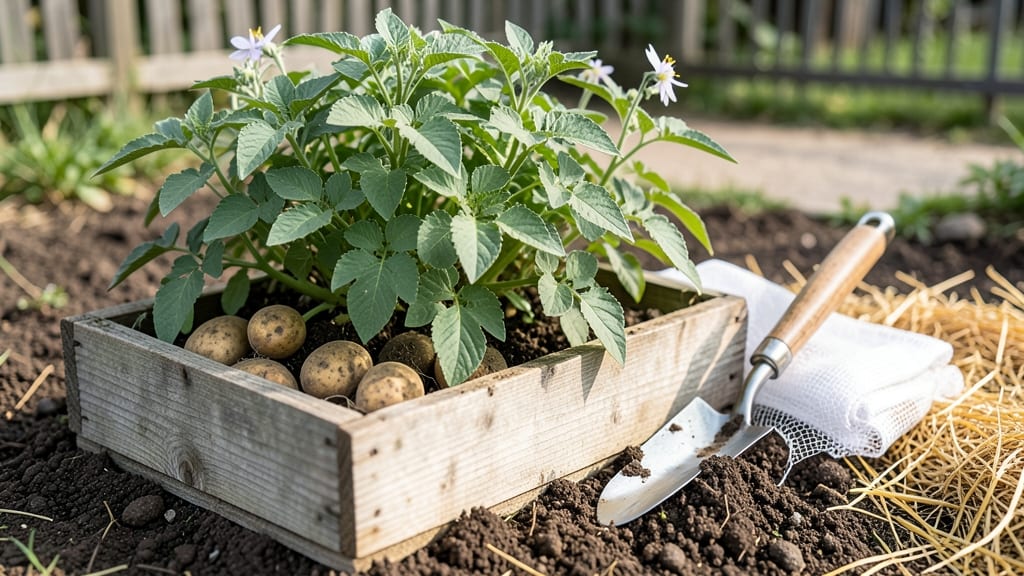
Planting potatoes in Zone 5 at the wrong time can mean the difference between a bountiful harvest and wasted effort—so knowing the exact window is everything.
With last frosts typically hitting around mid-April, most gardeners rush to get them in the ground too early, only to watch their spuds rot in cold soil.
I’ve learned the hard way that timing isn’t just about the calendar—it’s about soil temperature, variety, and even microclimates within Zone 5. Whether you’re growing early reds like Red LaSoda or late-season Yukon Golds, planting too soon can stunt growth, while waiting too long risks shorter harvests.
Let me show you the sweet spot for planting your 🥔 this spring.
You’ll discover the ideal weeks before last frost for your specific variety, plus how to adjust for early starts with chitting or row covers. I’ll also share the three most common mistakes Zone 5 gardeners make—and how to avoid them—so you can maximize your yield without the guesswork.
Ready to turn your potato patch into a productive powerhouse? Let’s break down the science-backed planting schedule that’ll have you digging up those golden tubers before summer’s over.
Zone 5 potato planting calendar: exact weeks before last frost for maximum yield
In Zone 5, where last frost dates can vary by 2-3 weeks between cities like Chicago and Pittsburgh, timing your potato planting is non-negotiable.
The ideal window is 2-4 weeks before your average last frost date—typically mid-to-late March in most of Zone 5, but early April in colder microclimates. This ensures tubers establish roots before soil warms to 45°F (7°C), their growth threshold.
Potatoes thrive best when planted in cool soil (50–60°F / 10–15°C) but before temperatures climb above 70°F (21°C). In Zone 5, this usually means planting between March 15 and April 15, adjusted for your specific frost date.
Early varieties like Yukon Gold can handle slightly cooler soil, while fingerlings need warmer conditions to sprout consistently.
Here’s the science-backed breakdown of when to plant based on your Zone 5 location and potato type:
| Variety Type | Planting Window (Before Last Frost) | Soil Temp. Threshold | Days to Harvest | Zone 5 Planting Date |
|---|---|---|---|---|
| Early (e.g., Red Pontiac) | 4 weeks | 45–50°F (7–10°C) | 70–90 days | Mid-March to early April |
| Mid-Season (e.g., Kennebec) | 3 weeks | 50–55°F (10–13°C) | 90–110 days | Late March to mid-April |
| Late (e.g., Russet Burbank) | 2 weeks | 55–60°F (13–16°C) | 110–120 days | Early April |
For Zone 5 gardeners, the last frost date is your anchor. Check your local USDA Plant Hardiness Zone Map or historical data from Almanac.com to pinpoint your exact date.
In northern Zone 5 (e.g., Duluth, MN), aim for April 1 planting, while southern Zone 5 (e.g., Cincinnati, OH) can start as early as March 15.
Pro tip: Use row covers or cold frames to plant 2 weeks earlier in Zone 5. This extends your growing season and lets you fit in two potato crops: one planted in early spring and another in late summer for a fall harvest.
Just remove covers when soil temps hit 60°F (15°C) to avoid overheating.
If you’re unsure about your frost date, plant test potatoes 2 weeks before your target window. These sacrificial plants (like radishes) help you gauge soil warmth and adjust timing. For example, if radishes sprout in 5 days, your soil is ready for potatoes!
Remember: Planting too early risks rot from cold, wet soil, while planting too late shortens the growing season and reduces yields. Aim for 6–8 weeks of growth before summer heat to maximize tuber size and quality.
For Zone 5’s variable climate, always have a backup plan. Keep seed potatoes in a cool, dark place (like a basement) until soil temps rise, and monitor 7-day forecasts for unexpected late frosts.
With the right timing, you’ll enjoy homegrown potatoes from late June to August—just in time for your favorite recipes!
🌱
How to adjust planting time for early vs. late potato varieties in Zone 5
Not all potatoes are created equal—and neither are their planting windows in Zone 5. Early varieties like Red LaSoda can handle cooler soils and tolerate light frosts, while late varieties like Yukon Gold need warmer conditions to thrive.
Your planting timing should match the variety’s maturity days and cold tolerance to avoid stunted growth or bolting.
For early potatoes (60–90 days to harvest), aim to plant 4–6 weeks before your last frost date. These varieties, such as Kennebec or Yukon Gold, can handle cooler soils (around 45°F) and benefit from an earlier start.
Mid-season varieties (90–110 days) like Red Pontiac should go in 2–4 weeks before last frost, while late varieties (110+ days) like Purple Peruvian need warm soil (50°F+) and should wait until after last frost.
Here’s the key: Soil temperature matters more than air temperature. Use a soil thermometer to confirm your soil is at least 45°F for early varieties or 50°F+ for late ones.
Cold soil slows germination, leading to patchy or weak plants. In Zone 5, this often means waiting until mid-to-late April for most varieties, but earlier for hardy types.
| Variety Type | Days to Maturity | Ideal Planting Window | Soil Temp Threshold | Zone 5 Target Month |
|---|---|---|---|---|
| Early (e.g., Red LaSoda) | 60–90 days | 4–6 weeks before last frost | 45°F (7°C) | Mid-March to early April |
| Mid-Season (e.g., Kennebec) | 90–110 days | 2–4 weeks before last frost | 50°F (10°C) | Late April |
| Late (e.g., Yukon Gold) | 110+ days | After last frost | 55°F+ (13°C+) | May |
Pro tip: Use row covers or black plastic mulch to warm the soil faster if you’re eager to plant early varieties. This trick can shave off 1–2 weeks from your planting window, especially in cooler microclimates like northern Zone 5 (e.g., Duluth, MN).
Just remove covers once sprouts emerge to prevent overheating.
For late varieties, consider succession planting in late May or early June. This extends your harvest window and ensures you’re not overwhelmed with a single massive harvest. Just mark your calendar for 60–90 days after planting—that’s when these spuds will be ready to dig!
Remember, Zone 5’s frost dates vary by location. Check your local last frost date (often April 15 but can range from April 1–May 1 depending on your exact location). Adjust your planting timeline accordingly to avoid frost damage or missed harvests.