
Companion Plants
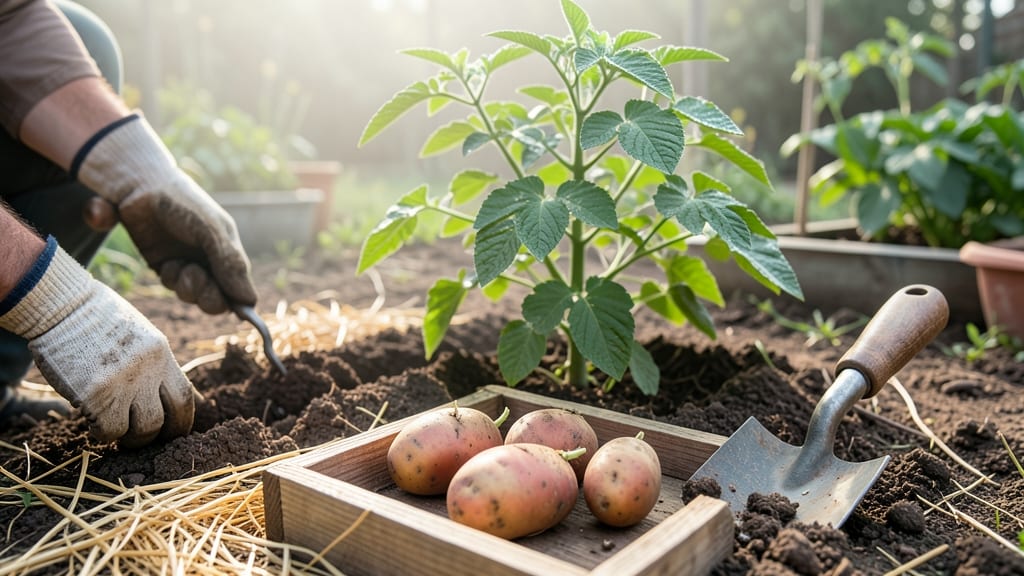
If you’ve ever wondered when you can plant potatoes in Texas and ended up with shriveled tubers or no sprouts, timing is the real game-changer.
Planting potatoes too early risks a late frost, while waiting too long means sweltering heat turns your crop into dust—both are avoidable with the right schedule.
Texas’s 8a-10a zones mean your planting window depends on where you live. North Texans should start in late February, while South Texas gardeners can wait until September for a winter harvest. The key is matching your seed potatoes to the last frost date—or avoiding it entirely.
I’ll break down the exact planting deadlines for your region, plus pro tips to protect your crop from frost or heat stress. Whether you’re a first-time gardener or a seasoned grower, these insights will help you plan for a harvest that’s bigger and healthier than ever.
Ready to dig in? Let’s turn those planting mistakes into a foolproof harvest—no more guesswork, just spuds.
Texas potato planting calendar by heat Zone (avoid frost & heat stress)
Texas spans 11 USDA hardiness zones (7a-10a), meaning your potato planting window depends heavily on where you live. In North Texas (Zones 8a-8b), like Dallas or Fort Worth, you’ll plant 4-6 weeks before the last frost—typically late February to early March.
Meanwhile, South Texas (Zones 9a-10a), such as San Antonio or Houston, has a fall planting window of September to October for winter harvests. Miss these deadlines, and you risk frost damage or heat stress that stunts growth.
Potatoes thrive in soil temperatures between 45°F and 75°F. In Texas, this means waiting until the ground warms up after winter chills. Use a soil thermometer to confirm—planting too early in cold soil leads to rotten tubers.
For North Texas, aim for 50°F+ soil temps; in South Texas, 60°F+ is ideal for fall crops. Timing isn’t just about frost—it’s about heat tolerance too.
⚠️ CRITICAL: Texas’ unpredictable weather means flexibility is key. A sudden cold snap in March can delay planting, while early April heat might push you to plant in containers or use shade cloth. Always check the Texas A&M AgriLife Extension for localized frost dates—your best friend for region-specific advice.
Texas Potato Planting by Heat Zone
| USDA Zone | Last Frost Date | Ideal Planting Window | Soil Temp Goal | Heat Risk | Best Varieties |
|---|---|---|---|---|---|
| 8a (North TX) | Feb 15 | Late Feb–Early Mar | 50°F+ | Moderate (Apr–May) | Yukon Gold, Red Pontiac |
| 8b (Central TX) | Mar 1 | Early Mar–Mid Mar | 50°F+ | High (May–Jun) | Kennebec, Purple Viking |
| 9a (South TX) | Dec 1 | Sep–Oct (Fall) | 60°F+ | Low (Winter) | Sweet Potato (Yams), Red LaSoda |
| 10a (Far South TX) | Nov 15 | Sep–Early Oct | 65°F+ | None (Winter harvest) | White Rose, German Butterball |
*Fall planting in South Texas avoids summer heat stress for a cooler-season crop.
For North Texas gardeners, the 4-6 week rule before the last frost is your golden guideline. If you’re in Zone 8a (e.g., Amarillo), that means planting by late February. Delaying until March risks heat stress by May, when temps often exceed 90°F.
Use shade cloth or drip irrigation to protect plants during peak heat. In Zone 8b (Austin, San Antonio), aim for early March—any later, and you’ll face scorching afternoons that turn tubers green and bitter.
South Texas gardeners have a unique advantage: the ability to grow potatoes in fall for winter harvests. Planting in September or October lets you harvest by December or January, avoiding the brutal summer heat.
However, soil prep is critical—Texas clay holds moisture poorly, so amend with compost or aged manure
5 Pro tips to extend your Texas potato growing season
Texas’ extreme heat and unpredictable frost dates can make potato growing a challenge, but with the right strategies, you can extend your harvest window and avoid common pitfalls.
Whether you're dealing with late-spring freezes in North Texas or summer heat stress in South Texas, these pro tips will help you maximize your yield and protect your crop.
First, time your planting around Texas’ microclimates. North Texas gardeners should plant 4-6 weeks before the last frost (typically late February to early March), while South Texas growers can plant in fall (September-October) for a winter harvest. This avoids heat stress while still giving tubers enough time to mature.
🌱 Numbered Highlights: Pro Tips for Texas Potato Success
- 1. Use row covers for early spring planting to protect seedlings from late frost (temperatures below 32°F can kill young plants).
- 2. Mulch heavily with straw or grass clippings to retain soil moisture and regulate temperature—critical in Texas’ sandy clay soil.
- 3. Plant in raised beds to improve drainage and warm soil faster in cooler months, speeding up germination.
- 4. Try shade cloth (30-50%) for summer planting in South Texas to prevent heat stress and blossom end rot.
- 5. Choose heat-tolerant varieties like 'Red Pontiac' or 'Yukon Gold', which handle Texas’ 90°F+ days better than traditional types.
For North Texas gardeners, mulching with straw is non-negotiable. Texas’ soil heats up quickly, and mulch acts as a thermal insulator, keeping roots cool during 100°F+ days. Aim for a 4-inch layer around plants, replenishing as it decomposes. This also suppresses weeds, reducing competition for nutrients.
If you’re growing potatoes in South Texas (Zones 9a-10a), focus on fall planting to avoid summer’s brutal heat. Start seeds in September for a December-January harvest before temperatures rise again. Use drip irrigation to deliver water directly to roots, minimizing evaporation and fungal risks from overhead watering.
One often-overlooked trick is hill up soil around potato plants as they grow. This encourages more tuber formation and prevents greening (toxic solanine buildup from sunlight exposure). In Texas’ intense sun, hilling also shades tubers, keeping them white and edible. Do this every 2-3 weeks until plants flower.
Finally, rotate crops annually to prevent disease buildup. Potatoes are heavy feeders and susceptible to late blight in Texas’ humid summers. Follow them with beans, corn, or grasses to break the disease cycle and improve soil health for next year’s harvest.