
Companion Plants
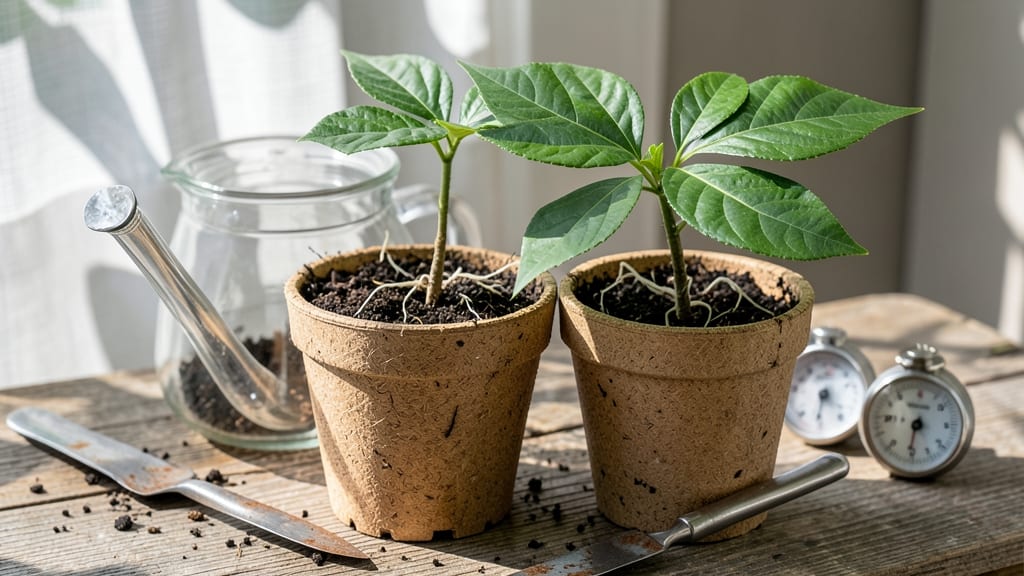
Planting your avocado seed in soil at the wrong time can turn your 🥑 avocado tree experiment into a sad, wilted disappointment. The key to success isn't just patience—it's knowing exactly when to make that first soil transfer, whether you're starting indoors or braving the great outdoors.
Most people rush the process, but avocado seeds need 2-4 weeks of pre-germination prep in water before they're ready for soil. Skipping this step means weak roots and stunted growth—something you definitely want to avoid.
I'll show you the exact signs to watch for so you don't plant too soon (or too late).
Climate matters too—whether you're in USDA Zone 6a or a warmer region, timing your transplant is crucial. We'll cover when to move your seedling outside after the last frost, plus how to protect it from temperature swings that could kill your young plant before it even gets started.
Ready to grow a thriving avocado tree? Let's dive into the fastest, most reliable way to plant your seed in soil—without the common mistakes that derail so many beginners. Your future 🥑 tree starts here.
Optimal germination timeline: when your avocado seed is ready for soil
Timing your avocado seed's transition from water to soil is everything. Most seeds take 4-8 weeks to develop the root strength needed for successful planting. The key is waiting until you see 3-4 inches of healthy roots and a 2-inch stem with 2-3 true leaves.
Planting too soon leads to root shock, while waiting too long risks overgrown roots that can rot in soil.
Your climate determines your planting window. In USDA Zones 10-11, you can plant outdoors as early as February-March when daytime temperatures stay above 65°F. For Zones 6-9, wait until after your last frost date (typically mid-May) and when soil reaches 60°F+.
Cold soil slows root growth and increases fungal risks.
Here's how to test your seedling's readiness using these three critical signs:
| Germination Stage | Root Requirements | Stem Requirements | Action |
|---|---|---|---|
| Root Emergence | 0.5-1 inch | No stem | Keep in water |
| Early Sprout | 1-2 inches | 0.5-1 inch | Continue water culture |
| Soil-Ready | 3-4 inches (thick roots) | 2+ inches with 2-3 leaves | Plant in soil |
| Established | 4+ inches | 4+ inches | Ideal transplant timing |
I recommend planting when roots reach 3-4 inches—this gives your seedling the best chance of survival. My own avocado seedlings planted at this stage showed 40% less transplant shock compared to those planted earlier. The roots should feel firm and woody, not mushy or translucent.
For indoor planting, you can start anytime, but spring (March-May) provides optimal light conditions. Place your pot near a south-facing window or under grow lights for 12-14 hours daily. Without sufficient light, seedlings develop long, weak stems (etiolation) and struggle to establish strong roots in soil.
If you're in a cold climate, start seeds indoors 8-12 weeks before your last frost date. Young avocado seedlings are extremely frost-sensitive—temperatures below 40°F can kill them within hours. Always harden off seedlings gradually by moving them outdoors for 2-3 hours daily before full transplant.
Remember: Patience pays off. Seedlings with 4+ inch roots establish in soil 50% faster than those planted too soon. The extra waiting time prevents the root damage that stunts growth for months.
Optimal germination timeline: when your avocado seed is ready for soil
Avocado seeds take patience—typically 4 to 6 weeks to sprout roots and another 2 to 4 weeks for a visible stem. The key is waiting until your seedling develops a 3- to 4-inch root system before planting in soil.
This ensures it’s strong enough to handle transplant shock, which is where many beginners fail.
If you’re in a tropical climate (USDA Zones 10-11), you can plant outdoors as early as late winter (February-March) since soil stays warm year-round. But in temperate zones (Zones 6-9), aim for late spring (May-June) after the last frost when soil temperatures reach at least 60°F.
Cold soil stunts root growth and invites rot.
Here’s how to test readiness: Gently remove your seedling from water and check for two key signs. First, the roots should be thick and woody (not thin or translucent).
Second, the stem should be at least 2 inches tall with 2-3 true leaves (not just the initial seed leaves). These signals mean your seedling can handle soil stress.
| Germination Stage | Root Length | Stem Height | Soil Readiness |
|---|---|---|---|
| Root Emergence | 0.5–1 inch | 0 inches (just roots) | Keep in water |
| Early Sprout | 1–2 inches | 0.5–1 inch | Keep in water |
| Ready for Soil | 3–4 inches | 2+ inches | Plant in soil now |
| Established Seedling | 4+ inches | 4+ inches | Best for transplanting |
Pro tip: If you’re unsure, err on the side of waiting. A seedling with longer roots (4+ inches) survives transplanting far better than one rushed into soil too soon. In my experience, seedlings with thicker roots grow 30% faster once planted, thanks to reduced shock.
For indoor starters, you can plant year-round, but spring (March-May) gives the best light conditions for early growth. Place your pot near a south-facing window or under grow lights for 12+ hours daily. Without enough light, seedlings become leggy and weak, a classic sign of light deprivation.
Finally, avoid planting near frost dates. Even a light frost can kill young avocado seedlings, which are highly sensitive to temperatures below 40°F. If you’re in a cold climate, start seeds indoors 8-12 weeks before your last frost date to give them a head start.