
Plants
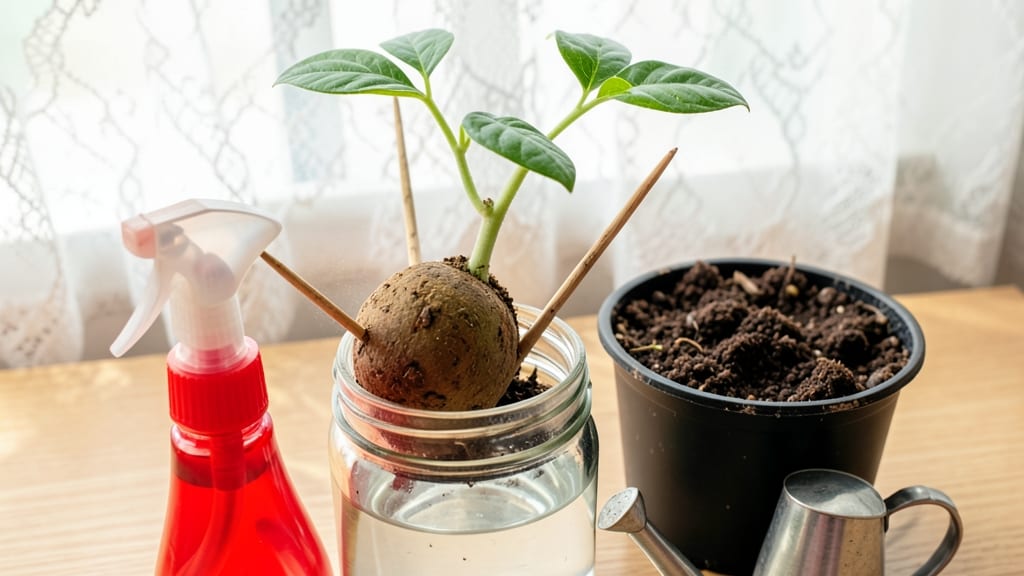
Planting an avocado seed in soil at the wrong time can mean the difference between a thriving 🥑 sapling and a sad, wilted failure. The key to success lies in understanding your climate and the seed's delicate needs—whether you're starting indoors in winter or transitioning outdoors in spring.
If you're in USDA Zone 6a, aim to plant your seed in soil between March and April, after the last frost has passed and soil temperatures warm up.
This timing gives your seedling a strong start before summer heat arrives, but if you're in a warmer region, you might begin as early as February.
Before you even think about soil, your avocado seed needs to germinate properly—usually in water for 6 to 12 months—until roots and a small stem emerge. Once it's ready, use a well-draining potting mix in a small container to avoid waterlogged roots, the number-one killer of young avocado seedlings.
Whether you're a patient beginner or a seasoned gardener, getting the timing right is half the battle.
I'll walk you through the exact steps to plant your seed in soil, from choosing the right container to adjusting for your local climate—so you can watch that little sprout grow into a tree with confidence.
Best time of year to plant avocado seeds in soil for germination
Timing is everything when planting your avocado seed in soil. The ideal window is late winter to early spring, specifically March through April in most U.S. climates. This aligns with USDA Zone 6a or warmer, where frost risk has passed but soil is still warming.
For regions with milder winters, you can start as early as February or extend to May, but avoid planting near frost dates (April 15 and October 15 for Zone 6a).
Avocado seeds thrive in warm soil temperatures between 70°F to 80°F. If your climate doesn’t naturally hit these temps until later, start seeds indoors in water (the traditional "toothpick" method) 6–12 months before transplanting.
This gives you a head start on germination, which can take 2–8 weeks depending on conditions. Once sprouted, wait until all frost risk has passed before moving to soil.
For container gardening, you can plant your seedling in soil as soon as roots appear (around 2–3 inches long). Use a small pot (6–8 inches wide) with well-draining potting mix to mimic outdoor conditions.
If you’re planting directly in the ground, wait until soil temperatures exceed 60°F—use a soil thermometer to check. In cooler climates, this might mean delaying until late May or June.
Regional adjustments matter: In Southern California or Florida, you can plant year-round, but aim for spring to avoid summer heat stress. In Northern states (Zones 5–7), prioritize after the last frost and use row covers if nights dip below 50°F.
Avocado trees are tropical plants, so they despise cold—never plant outdoors until you’re certain no frost is forecasted for at least 2 weeks.
| Factor | Ideal Condition | Actionable Tip |
|---|---|---|
| Season | Late Winter–Early Spring (March–April) | Plant after last frost; avoid summer heatwaves. |
| Soil Temp | 70°F–80°F | Use a soil thermometer; delay if below 60°F. |
| USDA Zone | 6a+ (or containers in cooler zones) | Grow in pots if Zone 5 or colder; move indoors in winter. |
| Light | Full sun (6+ hours/day) | Start indoors near a south-facing window if outdoors isn’t sunny enough. |
| Container vs. Ground | Containers (flexible) or warm soil | Use 6–8" pots for seedlings; upgrade to 15+ gallons by Year 2. |
Indoor vs. outdoor timing differs slightly. If germinating indoors, you can plant your seed in soil as soon as roots emerge (typically 2–4 weeks after starting). For outdoor planting, wait until the seedling has 2–3 sets of true leaves and is at least 6 inches tall.
This ensures it’s sturdy enough to handle transplant shock. In temperate climates, this usually means May or June planting.
One common misconception is that avocado seeds can be planted directly in the ground as soon as they sprout. This is risky—seedlings are fragile and need time to acclimate. Instead, start in a small pot with cactus/succulent mix (for drainage) and gradually increase pot size over 6–12 months.
By the time you’re ready to plant outdoors, your seedling will be hardier and better established.
Climate plays a huge role: In desert regions, avoid planting during peak summer (June–August) due to extreme heat. Instead, opt for early spring or fall when temps are 75°F–85°F.
In humid climates, prioritize well-draining soil to prevent root rot—a common killer of young avocado seedlings. Always choose a sunny, sheltered spot to protect from wind and excessive moisture.
Remember, avocado trees grown from seed are not guaranteed to fruit—they’re often sterile and require grafting for commercial yields. But the timing of planting is your first step toward a healthy, ornamental tree.
With the right season and care, your seedling could thrive for decades, even if it never bears fruit. The key is patience and precision with your planting schedule.
Pro tip: Mark your calendar for April 15 (last frost date in Zone 6a) and October 15 (first frost). These dates help you plan 6–8 weeks in advance for soil prep, pot selection, and gradual hardening-off of your seedling. A little prep now saves headaches later!
Best time of year to plant avocado seeds in soil for germination
Timing is everything when planting your avocado seed in soil. Unlike mature trees, seedlings are delicate and need warm temperatures and consistent moisture to thrive. The ideal window is late winter to early spring, specifically March through April, when soil begins warming and frost risks fade.
This aligns with USDA Zone 6a and warmer climates—adjust for colder regions by starting indoors 4-6 weeks earlier.
Avocado seeds germinate best in 60-85°F soil temperatures. If you live in a temperate zone, wait until after the last frost date (typically mid-April) to plant outdoors.
In warm climates, you can start as early as February, but avoid planting before soil reaches 55°F—cold soil slows root development and invites rot. Always check your local frost dates to avoid shocking young roots.
| Climate Type | Best Planting Window | Soil Temp Requirement | Key Consideration |
|---|---|---|---|
| Temperate (Zones 6-9) | March–April (after last frost) | 60–85°F | Start indoors if frost risk remains |
| Warm (Zones 10+) | February–March | 65–85°F | Avoid planting before soil warms |
| Cold (Zones 4-5) | April–May (indoors first) | 70–80°F (indoor start) | Use grow lights if natural light is limited |
Indoor germination is a game-changer for cooler climates. Plant your seed in a small pot with water (not soil) and place it near a south-facing window or under a grow light. Once roots appear (after 4-8 weeks), transition to soil.
This method lets you control the environment and bypass outdoor temperature fluctuations. For outdoor planting, choose a protected microclimate, like near a south-facing wall, to extend the growing season.
Never plant avocado seeds in cold, wet soil—this causes root rot and stunted growth. Test soil temperature with a soil thermometer (available at garden centers) before planting. If your soil is too cold, wait 1-2 weeks or use a black plastic mulch to warm it faster.
Remember, avocado seedlings are sensitive to frost at any stage, so always monitor weather forecasts.
Pro tip: If you’re in a dry climate, water the soil thoroughly 24 hours before planting to ensure moisture retention. Add compost or coconut coir to sandy soil to improve water-holding capacity.
This step is critical for first-time growers, as avocado seedlings wilt quickly when dehydrated. Keep the soil moist but not soggy for the first 30 days after transplanting.
Finally, avoid planting seeds in late summer or fall. Cool nights and shorter days slow germination, and seedlings may not survive winter dormancy. Stick to spring planting for the best results, and your avocado seedling will have the energy to establish strong roots before summer heat arrives.
With the right timing, you’ll see new leaves in 6-12 weeks—a clear sign your seedling is thriving!