
Lawn
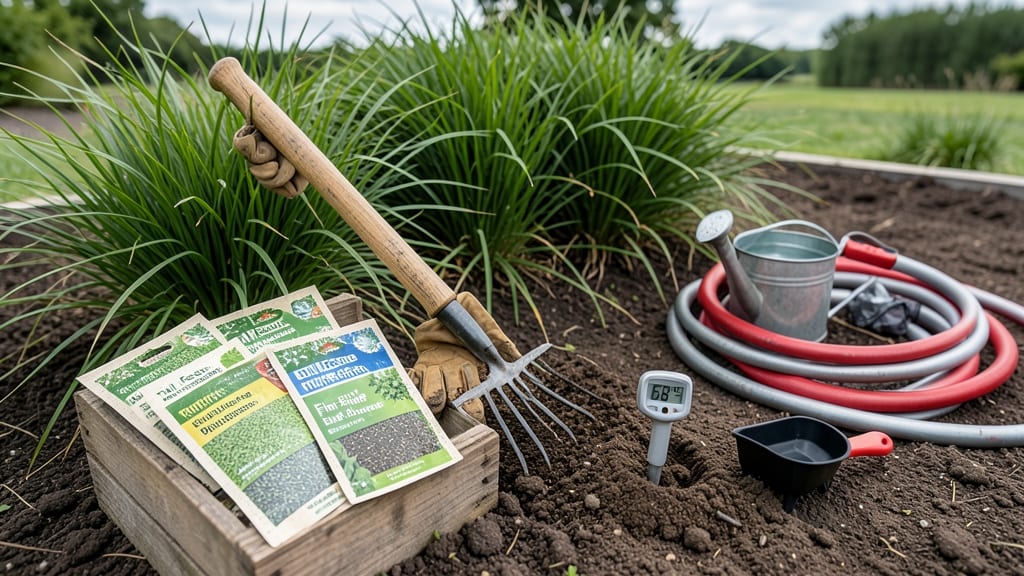
Timing your grass seed planting in Ohio isn’t just about guessing—it’s about catching the perfect window for fast germination and a lush lawn. With USDA Zone 6a’s unpredictable swings from frost to heat, planting too early risks seed loss, while waiting too long means battling weeds or weak growth.
The key? Planting when soil temps hit 55–65°F and after the last frost, typically between early spring (March–April) and early fall (September–October).
Ohio’s climate throws curveballs—like late frosts or sudden droughts—that can derail even the best-laid plans. But here’s the good news: by following the right timeline and prep steps, you can outsmart Mother Nature and get grass sprouting in as little as 7–14 days.
Whether you’re seeding a new lawn or overseeding an old one, these insights will save you time, money, and frustration.
Let’s break down the exact months to plant in Ohio, plus the critical factors (soil, moisture, seed type) that make the difference between a patchy lawn and a thick, green carpet. You’ll also discover the fastest-growing grass varieties for your zone—and how to keep them thriving once they’re down.
Ready to skip the trial-and-error? I’ll walk you through every step, from soil prep to post-planting care, so your grass seed gets the best possible start in Ohio’s challenging but rewarding growing conditions.
Ohio grass-seeding timeline by month: best planting windows for zones 5b/6a
Ohio’s USDA Zones 5b and 6a create a unique challenge for grass seeders—late frosts in spring and early freezes in fall demand precision. The ideal soil temperature for germination is between 50–65°F, which typically aligns with March–April for spring planting and September–October for fall.
In Zone 6a (southern Ohio), you might push planting to early May, but Zone 5b (northern Ohio) requires patience until mid-April.
Timing isn’t just about the calendar—it’s about soil conditions. Cold, wet soil in early spring can smother seeds, while summer heat stresses young seedlings. Fall planting, however, gives grass 6–8 weeks to establish before winter dormancy, often yielding 30% stronger roots than spring plantings.
This is why September is Ohio’s #1 month for grass seeding success.
Here’s the breakdown of your best planting windows, accounting for Ohio’s average last frost dates (April 15 in Zone 6a, May 1 in Zone 5b) and soil warmth trends.
Use this as your roadmap to avoid the weed competition of late spring or the dormancy risks of late fall.
| Month | Zone 5b Window | Zone 6a Window | Soil Temp (°F) | Key Considerations | ||||||||||||||||||||||||
|---|---|---|---|---|---|---|---|---|---|---|---|---|---|---|---|---|---|---|---|---|---|---|---|---|---|---|---|---|
| February | ❌ Avoid | ❌ Avoid | 32–45°F | Frost risk; seeds won’t germinate | ||||||||||||||||||||||||
| March | ⚠️ Early March only | ✅ Mid–Late March | 40–55°F | Zone 6a: Safe if soil >50°F. Zone 5b: Wait for consistent 50°F+ days. | ||||||||||||||||||||||||
| April | ✅ Mid–Late April | ✅ Entire month | 50–65°F | Best spring window. Water daily; watch for late frosts (Zone 5b). | ||||||||||||||||||||||||
| May | ⚠️ Early May only | ⚠️ Early May only | 60–75°F | High weed competition; overseed instead if needed. | ||||||||||||||||||||||||
| September | ✅ Entire month | ✅ Entire month | 60–70°F | #1 recommended month. Cool nights, warm days = ideal germination. | ||||||||||||||||||||||||
| October | ✅ Early October | ✅ Mid–Late October | 50–60°F | Zone 5b: Stop by Oct 15. Zone 6a: Push to Oct 31. | ||||||||||||||||||||||||
| November | ❌ Avoid | ❌ Avoid | 40–50°F | <
| Month | Zone 5b Window | Zone 6a Window | Soil Temp | Germination Time |
|---|---|---|---|---|
| March | Late March (after frost) | Mid-March | 50–55°F | 14–21 days |
| April | Entire month | Entire month | 55–65°F | 7–14 days |
| September | Early–mid Sept | Mid–late Sept | 60–65°F | 10–14 days |
| October | Early Oct | Early–mid Oct | 55–60°F | 14–21 days |
Spring planting (March–April) gives you the fastest germination, but fall (September–October) often yields a thicker, more resilient lawn because cooler temps reduce weed competition. Avoid planting in May or August—Ohio’s heat and drought conditions make seeds struggle to establish.
If you miss the spring window, focus on late summer overseeding (August) for cool-season grasses like Kentucky Bluegrass.
Ohio’s Lake Effect can delay spring planting in northern zones (e.g., Cleveland), while southern areas (e.g., Cincinnati) may see earlier soil warming. Check your local Cooperative Extension Service for frost date updates—some years, the last frost hits as late as April 30, so don’t rush!
For fall, aim to plant at least 6 weeks before your first frost (typically mid-October in Zone 5b, early November in Zone 6a).
One more pro tip: If you’re seeding in clay-heavy Ohio soil (common in many regions), amend with compost or sand before planting to improve drainage. Poor soil prep is the #1 reason grass seed fails—don’t skip this step! 🌿