
Planting
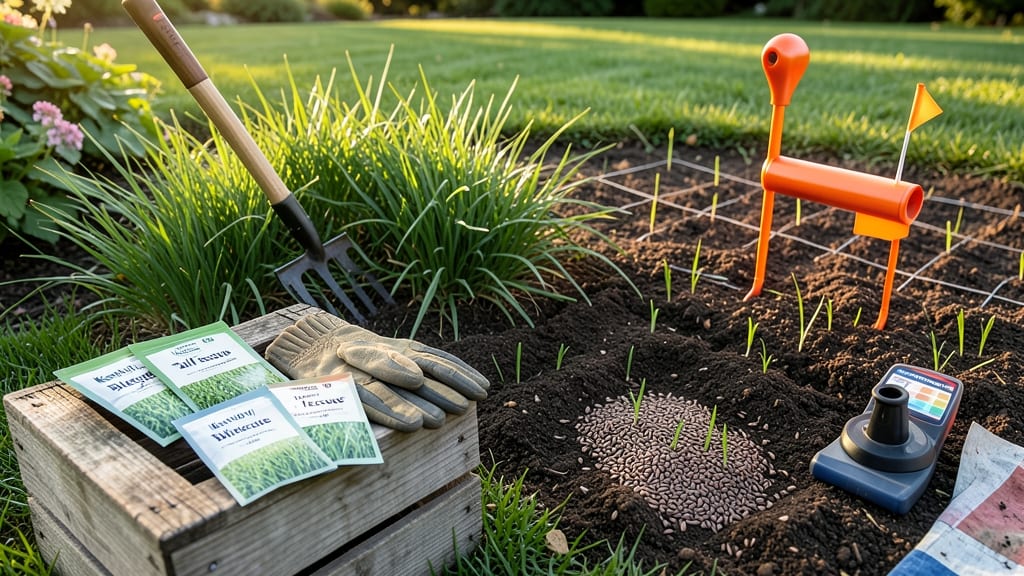
Planting grass seed in Ohio isn’t just about grabbing a bag and scattering it—timing is the key to avoiding frost damage or summer stress that can turn your lawn dreams into a patchy nightmare.
With Ohio’s USDA Zone 6a climate, you’ve got a narrow frost-free window where soil temperatures and moisture levels must align perfectly for germination.
Most gardeners swear by early spring or early fall planting, but skipping soil prep or ignoring local frost dates can derail even the best-laid plans.
I’ll break down the exact months to aim for, how to prep your soil like a pro, and why 4-6 weeks before last frost is your sweet spot for cool-season grasses like Kentucky bluegrass or tall fescue.
Whether you’re seeding a new lawn or repairing bare patches, understanding Ohio’s 165 frost-free days and adjusting for microclimates (like urban heat islands) makes all the difference. Let’s cut through the guesswork so you can enjoy that lush, green carpet without the trial-and-error headaches.
From avoiding common mistakes like planting too deep or skipping overseeding in shaded areas to mastering watering schedules, I’ve got the zone-specific tips to help your grass take root fast and stay resilient. Ready to transform your yard? Let’s get started.
Ohio’s best grass seed planting windows by USDA Zones 5b & 6a
Ohio’s USDA Zones 5b and 6a create a unique challenge for lawn lovers—cool springs and hot summers demand precise timing for grass seed success.
The ideal window spans early spring (March-April) and early fall (September-October), when soil temperatures hover between 50°F and 75°F (10°C-24°C)—perfect for germination without stressing young seedlings.
For cool-season grasses like Kentucky bluegrass and tall fescue (Ohio’s top choices), the 4-6 week window before the last frost (typically April 15) is critical. This gives seeds time to establish roots before summer heat arrives.
Meanwhile, warm-season grasses like Bermuda grass prefer late spring planting when soil warms consistently above 65°F (18°C)—usually after May 15.
Ohio’s microclimates add another layer of complexity. Southern Ohio (Zone 6a) enjoys 10-14 extra frost-free days compared to northern areas (Zone 5b), meaning you can plant 2 weeks earlier in the south. Always check your local frost dates via the National Weather Service or Old Farmer’s Almanac for precision.
Here’s the golden rule: Soil temperature matters more than calendar dates. Use a soil thermometer ($10 at garden centers) to confirm 50°F (10°C) minimum for cool-season grasses. Warm-season varieties need 65°F+ (18°C+)—planting too early risks seed rot in damp soil.
| Planting Window | USDA Zone 5b (Northern OH) | USDA Zone 6a (Southern OH) | Soil Temp Requirement | Grass Type |
|---|---|---|---|---|
| Early Spring | March 15 - April 15 | March 1 - April 15 | 50°F-65°F (10°C-18°C) | Cool-season (Kentucky bluegrass, tall fescue) |
| Late Spring | May 1 - May 15 | April 20 - May 15 | 65°F+ (18°C+) | Warm-season (Bermuda, zoysia) |
| Early Fall | September 1 - September 30 | September 15 - October 15 | 50°F-75°F (10°C-24°C) | Cool-season (Best establishment before frost) |
| Avoid Planting | After May 30 | After June 15 | Above 85°F (29°C) | Any type (Seed desiccation risk) |
| Microclimate Adjustment | 2 weeks later (Higher elevations) | 2 weeks earlier (River valleys) | Check local frost dates | All types |
Fall planting offers Ohio gardeners a secret weapon: cooler temperatures and consistent moisture reduce weed competition while giving grass 6-8 weeks to establish before winter dormancy.
Aim to plant 6-8 weeks before your first frost (typically September 1-October 15), but never after October 15—new growth won’t survive freezing.
Pro tip: Overseeding in late fall (November) can revive thin lawns, but only if soil temps stay above 40°F (4°C). Use a light mulch of straw (¼ inch) to protect seeds from wind and retain moisture during Ohio’s unpredictable November rain.
For new lawns, spring planting wins for faster establishment, but fall is better for repairs. Test your soil’s pH (6.0-7.0 ideal) and organic matter (3-5%) before planting—Ohio’s clay-heavy soils often need compost or peat moss for better seed contact.
Always water deeply (1 inch per week) until germination (2-4 weeks).
Remember: Ohio’s weather is fickle. If you miss the ideal window, don’t panic—just adjust for soil temperature and moisture. The key is consistency over perfection. A well-prepared seedbed and patient watering will outperform rushed planting any day.
How to prepare Ohio soil for grass seed success
Ohio’s clay-heavy soils and variable pH levels can make or break your grass seed success. Before you even scatter that first seed, I recommend testing your soil’s pH balance—most Ohio grasses thrive in a 6.0 to 7.0 range.
If your soil tests acidic (below 6.0), add pelletized lime 4-6 weeks before planting to raise the pH. For alkaline soils (above 7.0), mix in sulfur or peat moss to lower it gradually.
Next, focus on soil aeration. Compacted soil smothers roots, so rent a core aerator or use a manual aerator to create ¼-inch holes every 2-3 inches. This step is especially critical in high-traffic areas where soil gets packed down.
After aerating, rake the surface lightly to create a fine, crumbly texture—think of it like fluffing a pillow for your grass seeds to nestle into.