
Watering
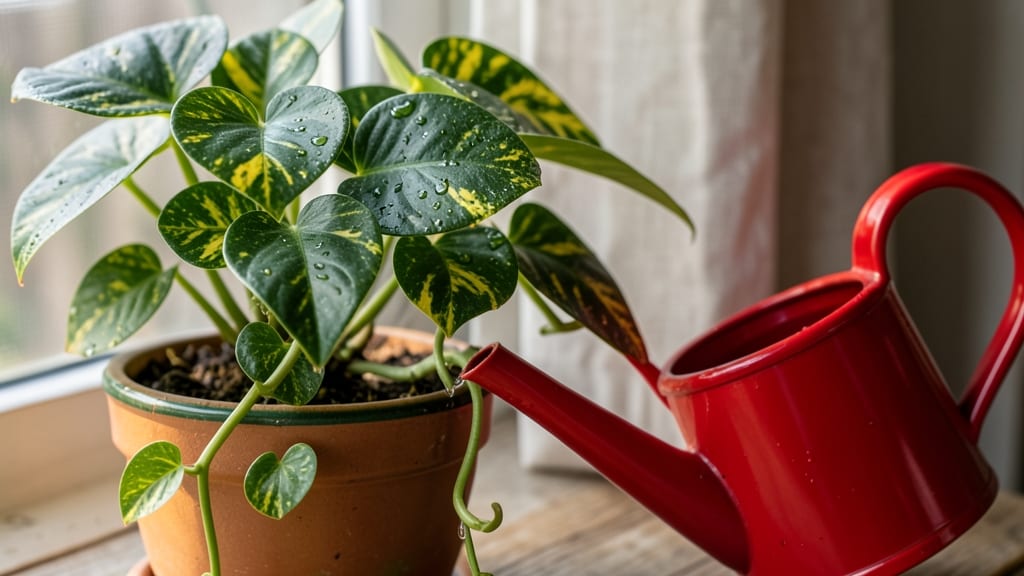
If your 💵 Money Plant is struggling with crispy brown edges or drooping leaves, you’re not alone—most gardeners get the how much water balance wrong. The key to lush, vibrant growth lies in understanding when to water, not just how much, because overwatering kills more money plants than underwatering.
I’ve learned the hard way that sticking to a rigid schedule doesn’t work—your plant’s needs change with the seasons, pot size, and even humidity levels. What works in 6a zones during summer won’t cut it for winter care, and that’s where beginners (and even seasoned plant parents) often go wrong.
In this guide, I’ll break down the exact watering schedule you need, from testing soil moisture to adjusting for dry air or overcast days.
You’ll discover simple tricks to keep your money plant thriving without guessing—because nobody wants to watch their plant slowly decline from too much (or too little) love.
Let’s get started with the 3-step system that’s saved my money plants from root rot and wilting. Trust me, your plant will thank you.


Money plant watering schedule: how often based on season and pot size
Your Crassula ovata (money plant) thrives on a consistent but cautious watering routine. Unlike thirsty succulents, it prefers slightly more moisture—but never soggy soil. The key? Adjusting your schedule based on season, pot size, and humidity levels in your home.
Most gardeners make two critical mistakes: either drowning their plants or leaving them bone-dry. Both lead to brown edges, wilting, or root rot. The solution? A flexible schedule that aligns with your money plant’s natural growth cycles and environment.
🌱 Pro Tip: Always check soil moisture before watering. Stick your finger 1-2 inches deep—if it feels dry, it’s time to water. If damp, wait another 2-3 days.
| Season | Pot Size | Watering Frequency | Soil Moisture Test |
|---|---|---|---|
| Spring | Small (4-6") | Every 5-7 days | Top 1" dry |
| Spring | Medium (8-10") | Every 7-10 days | Top 1.5" dry |
| Summer | Small (4-6") | Every 3-5 days | Top 1" dry |
| Summer | Large (12"+) | Every 7-10 days | Top 2" dry |
| Fall/Winter | Any size | Every 14-21 days | Top 2-3" dry |
During spring and summer, your money plant enters its growth phase, so it’ll drink more water. In fall and winter, it slows down, and overwatering becomes a bigger risk. Think of it like adjusting your thermostat—your plant’s needs change with the seasons!
Pot size matters because smaller pots dry out faster. A 4-inch pot might need watering every 3-5 days in summer, while a 12-inch pot could go 10-14 days. Always use pots with drainage holes to prevent root rot—a common killer of money plants.
Humidity plays a sneaky role too. If your home feels dry (like 30% humidity or lower), your money plant will thirst more. Place a pebble tray with water nearby or group plants together to boost humidity naturally.
Morning is the best time to water your money plant. Watering in the morning gives roots time to absorb moisture before evening, reducing the risk of fungal issues. Avoid watering at night—it’s a recipe for soggy soil and unhappy roots.
One final rule: Never let your money plant sit in standing water. Empty the saucer under the pot within 10-15 minutes after watering. Stagnant water at the bottom can suffocate roots and lead to rot.
With this schedule, your Crassula ovata will reward you with thick, glossy leaves and steady growth. Stick to the routine, and you’ll avoid the heartbreak of brown edges or mushy stems—two sure signs of watering gone wrong.
Money plant watering schedule: how often based on season and pot size
Your money plant (Crassula ovata) thrives on a consistent but cautious watering routine. Unlike thirsty succulents, it needs just enough moisture to stay plump without sitting in soggy soil. The key?
Adjusting your watering based on seasonal growth cycles and pot size—small pots dry faster than large ones, and summer heat demands more frequent watering than winter dormancy.
Start by checking the top 1-2 inches of soil with your finger. If it feels dry, it’s time to water. For most indoor setups, this means watering every 7-10 days in spring and summer, but stretching to every 2-3 weeks in winter.
Overwatering causes those dreaded brown, mushy leaves, while underwatering leads to wrinkled, dry stems.
🌱
| Season | Pot Size | Watering Frequency | Soil Test |
|---|---|---|---|
| Spring | Small (4-6") | Every 5-7 days | Top 1" dry |
| Spring | Medium (8-10") | Every 7-10 days | Top 1.5" dry |
| Summer | Large (12"+) | Every 10-14 days | Top 2" dry |
| Fall | Any size | Every 14-21 days | Top 2-3" dry |
| Winter | Any size | Every 3-4 weeks | Top 3" dry |
Pro tip: Use room-temperature water to avoid shocking the roots. I always water mine in the morning so excess moisture evaporates by evening, reducing fungal risks. If your money plant is in a terracotta pot, it’ll dry faster than plastic—adjust your schedule accordingly.
Humidity matters too! If your home feels dry (like 30% or below), your money plant may need water slightly more often. Grouping plants together creates a mini humid microclimate, which I’ve found helps mine retain moisture longer.
💧
Remember, drainage is non-negotiable. Always use a pot with holes and a cache pot underneath to catch runoff. I’ve lost count of how many money plants I’ve saved by moving them to better-draining soil—it’s a game-changer for preventing root rot.