
Watering
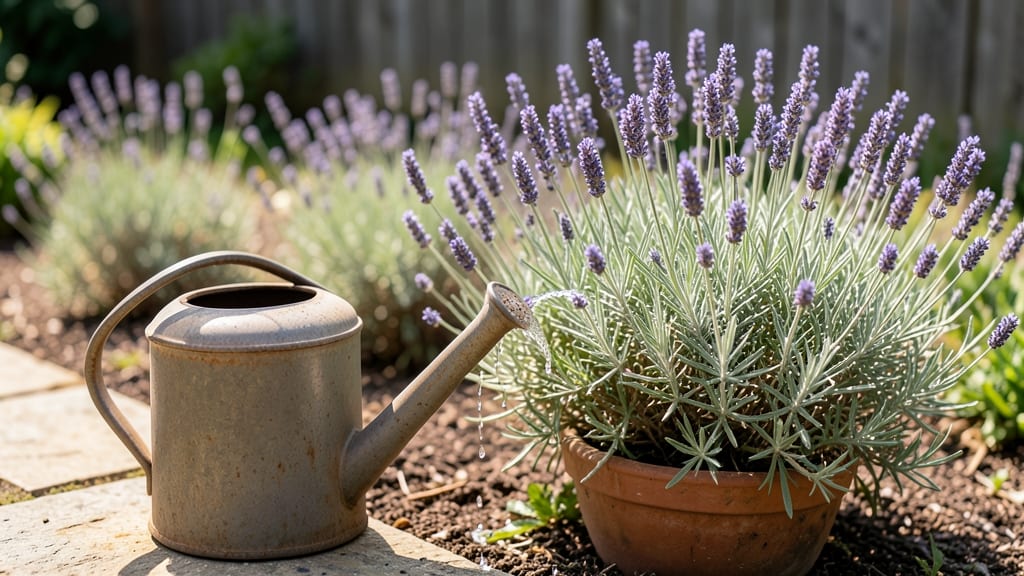
Struggling to keep your 🌸 lavender plant how much water it needs thriving? The secret isn’t what you think—it’s not about drowning it in water like other plants. Lavender plants actually thrive on neglect, and overwatering is the #1 way to kill them faster than a summer drought.
I’ve watched dozens of lavender plants wither from well-meaning watering routines, and the truth is, most gardeners are doing it wrong. Whether you’re growing lavender in containers or garden beds, the key is understanding its drought-tolerant roots and when to step back.
In this guide, I’ll break down the exact watering schedule lavender needs—from spring’s frequent soaks to summer’s rare deep drinks. You’ll learn how to check soil moisture the easy way, spot the telltale signs of over- or underwatering, and even adjust for hot climates or containers.
By the end, your lavender won’t just survive—it’ll burst with fragrance and flourish for years. Let’s get your plants the care they actually crave.


How much water lavender needs: the exact schedule for healthy growth
Lavender plants thrive on minimal watering—they’re native to Mediterranean climates where drought is common. The key is deep, infrequent watering that encourages strong root systems. Overwatering is the #1 killer of lavender, so let’s break down the science-backed schedule you need for year-round success, no guesswork required.
Your lavender’s water needs change with the seasons and soil type. Sandy soil drains faster than clay, so adjust accordingly. For most gardeners, spring and fall are the most critical times to water, while summer heat reduces frequency.
The goal? Keep soil 60% dry between waterings—lavender roots need air almost as much as water.
🌱 Lavender Watering Schedule by Season
| Season | Frequency | Amount | Soil Check |
|---|---|---|---|
| Spring | Every 7-10 days | 1L per plant (deep soak) | Top 2" should be dry |
| Summer | Every 10-14 days | 1L per plant (morning only) | Top 3" should be dry |
| Fall | Every 10-14 days | 1L per plant (reduce in Oct) | Top 2" should be dry |
| Winter | Monthly (or none in frost) | Light mist (if no snow) | Only water if soil cracks |
💧 Pro Tip: Always water at the base of the plant, never the foliage, to prevent fungal diseases like powdery mildew.
Testing soil moisture is simpler than it sounds. Stick your finger 2 inches deep into the soil—if it feels dry, it’s time to water. For container-grown lavender, the soil should dry out even faster, often every 5-7 days in summer.
Pro growers use a moisture meter for accuracy, but your finger works just as well.
New lavender plants need slightly more attention. For the first 3 months after planting, water every 5-7 days to help roots establish. After that, follow the seasonal schedule above. Overwatering young plants can drown their delicate roots, so resist the urge to coddle them—lavender is tougher than it looks!
Your lavender’s location matters. In-ground plants in full sun (6+ hours daily) need less frequent watering than those in partial shade. Container lavender dries out faster, so check daily in extreme heat.
If you’re in a hot, dry climate like Arizona or California, reduce watering to every 14-21 days once established.
Mulching is a game-changer for lavender. Apply a 2-inch layer of gravel or straw around the base (but not touching the stems) to retain moisture and regulate temperature.
Organic mulch like wood chips can retain too much moisture, so stick to inorganic options. This simple trick cuts watering needs by 30% in summer.
Signs of underwatering include dry, crispy leaves and wilting stems, while overwatering causes yellowing leaves and mushy stems. Both conditions stress the plant, so act fast. We’ll cover these fixes in detail in the next section—bookmark this for later!
Remember, lavender’s drought tolerance is legendary. Many Mediterranean lavender varieties survive on rainfall alone once established. If your plant looks thirsty, it’s already too late—water only when the soil is completely dry. Think of lavender like a succulent: better to underwater than over!
How much water lavender needs: the exact schedule for healthy growth
Lavender plants thrive on minimal watering—too much moisture is their biggest enemy. Native to Mediterranean climates, these drought-tolerant beauties store water in their woody stems, making them resilient but particular about hydration.
My own lavender bushes nearly died last summer when I overcompensated after a dry spell, so I’ve since perfected a seasonal watering rhythm that keeps them lush without drowning their roots.
Here’s the golden rule: water deeply but infrequently. A thorough soak every 7-14 days (depending on season) encourages deep root growth, while shallow, frequent watering leads to weak, fungal-prone stems.
The key is checking soil moisture before watering—stick your finger 2-3 inches deep; if it’s dry, it’s time to water. If damp, wait another day.
Container-grown lavender needs more frequent watering than in-ground plants because pots dry out faster. Check soil moisture every 5-7 days in summer, and never let containers sit in saucers of water—this causes root rot faster than you can say “wilting stems.”
Pro tip: Use terracotta pots; they wick away excess moisture naturally.
For well-draining soil, lavender’s water needs drop dramatically. Amend heavy clay with gravel or sand to mimic its native habitat. If your soil holds moisture (like mine does in rainy springs), plant lavender on a slight mound or in raised beds to prevent soggy roots.
Mulch lightly with gravel or straw—never organic mulch like wood chips, which retains too much moisture.
One critical mistake I’ve seen (and made!) is watering lavender at night. Wet foliage overnight invites fungal diseases like powdery mildew. Always water in the early morning so leaves dry quickly.
And here’s a trick: water at the base, not overhead. Use a soaker hose or watering can with a narrow spout to target roots directly.
Remember, lavender’s fragrance and oil production peak when it’s slightly stressed from dry conditions. If your plant looks perfectly lush, you’re likely overwatering. Aim for slightly crispy leaf edges in summer—this is normal!
Adjust your schedule based on your local climate; desert gardeners water less often than those in humid zones.