
Plants
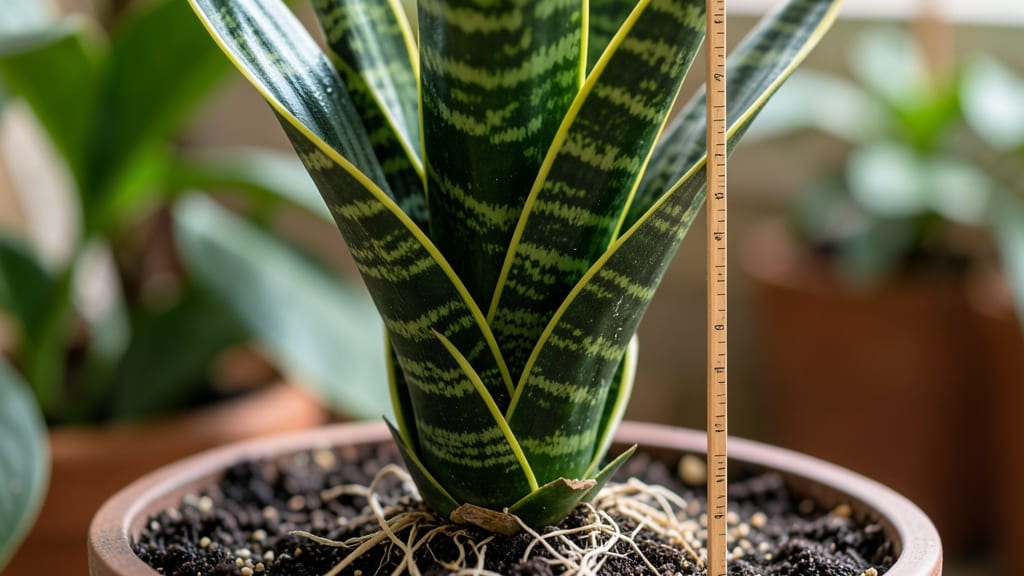
If you’ve ever wondered how tall your snake plant 🌿 could grow, the answer might surprise you—this popular houseplant isn’t just a low-maintenance decor piece, it’s a shape-shifter that can stretch from a modest 1-foot tabletop buddy to a towering 4-foot statement piece, depending on its variety and care.
Most people assume snake plants stay small, but the truth is, some varieties like the classic Mother-in-Law’s Tongue can reach heights that rival your ceiling fan if given the right conditions.
Whether you’re working with a compact dwarf variety or a fast-growing hybrid, understanding how care impacts growth is the key to getting the height you want.
Light, water, and pot size all play a role in determining whether your snake plant stays short and bushy or shoots up toward the sky.
I’ll break down exactly how each factor influences growth, so you can choose the perfect variety and care routine for your space—whether you want a floor-filling giant or a sleek desktop plant.
Ready to discover which snake plant varieties grow the tallest and how to encourage (or control) their height? Let’s dive into the details so you can create the perfect plant for your home.


Snake plant height by variety: from dwarf to giant species
Snake plants (Sansevieria trifasciata) are famous for their striking upright leaves, but their mature heights can vary dramatically depending on the variety. Some stay compact enough for countertops, while others reach ceiling heights in ideal conditions.
The key factors influencing height are genetics, leaf shape (narrow vs. broad), and care conditions. Let’s explore the most popular varieties and their typical mature heights.
For example, the classic ‘Mother-in-Law’s Tongue’ (Sansevieria trifasciata ‘Laurentii’) averages 2-4 feet tall, with leaves that can stretch up to 3 feet long. In contrast, the ‘Futura Superba’ variety grows even taller, reaching 5-6 feet when given ample space and bright light.
Even dwarf varieties like ‘Hahnii’ (also called ‘Bird’s Nest’) max out at just 1-2 feet, making them perfect for shelves or desks.
Here’s a quick comparison to set expectations: a standard office chair is about 18 inches tall, while a mature snake plant can easily surpass 3 feet—or even double that for towering varieties.
If you’re working with limited vertical space, choosing a dwarf or semi-dwarf variety is the way to go.
| Variety | Mature Height | Leaf Width | Growth Habit |
|---|---|---|---|
| ‘Mother-in-Law’s Tongue’ (S. trifasciata) | 2–4 ft | 2–3 in | Upright, clumping |
| ‘Futura Superba’ | 5–6 ft | 3–4 in | Tall, slender leaves |
| ‘Hahnii’ (Bird’s Nest) | 1–2 ft | 1–2 in | Rounded, rosette |
| ‘Moonshine’ | 2–3 ft | 2 in | Compact, bushy |
| ‘Cylindrica’ (Cylinder) | 3–4 ft | 1–2 in | Thick, cylindrical leaves |
| ‘Golden Hahnii’ | 1–2 ft | 1 in | Dwarf, variegated |
Height ranges assume ideal care in USDA Zones 6-11. Indoor plants may grow slower due to lower light.
If you’re growing snake plants indoors, light levels play a huge role in height. Varieties like ‘Futura Superba’ will stretch dramatically toward light sources, sometimes growing lean and leggy if placed too far from a window.
On the other hand, ‘Hahnii’ varieties thrive in low-light conditions and rarely exceed 2 feet even in dim offices.
For outdoor growers in warmer climates (Zones 9-11), snake plants can grow significantly taller due to year-round sunlight and space. In these conditions, even ‘Mother-in-Law’s Tongue’ can reach 5 feet or more over several years.
Just be mindful of leaf width: broader leaves (like in ‘Futura Superba’) may require staking or support as they mature.
Pro tip: If you love tall snake plants but have limited space, consider propagating cuttings from mature plants. This way, you can enjoy multiple floor-filling varieties without overcrowding your home. Just remember, larger pots (12+ inches in diameter) encourage taller growth, while smaller containers keep plants more compact.
🌱
How care conditions dramatically affect snake plant height
You might be surprised to learn that your snake plant’s height isn’t just determined by its variety—care conditions play an equally important role.
The same Mother-in-Law’s Tongue plant can grow 3 feet tall in bright light or stay under 2 feet in low light, simply because its growth rate slows dramatically when deprived of sunlight.
This adaptability makes snake plants perfect for both sun-drenched rooms and dim corners, but with very different height outcomes.
Light exposure is the biggest factor influencing height. Snake plants grow up to 50% faster in bright, indirect light compared to low-light conditions. Without enough light, they’ll stretch toward the nearest window in a phenomenon called etiolation, producing long, thin leaves that weaken their structure.
On the flip side, too much direct sunlight can scorch leaves, stunting growth entirely.
Watering habits also dramatically impact height. Overwatering causes root rot, which weakens the plant and slows vertical growth. Meanwhile, consistent underwatering forces the plant to conserve energy, resulting in stunted, compact growth.
The key is deep but infrequent watering—only when the top 2-3 inches of soil are completely dry. This mimics their natural drought-resistant habits and encourages steady, healthy height development.
Pot size matters more than you’d think. Snake plants in cramped containers (like small decorative pots) often grow slower because their roots can’t expand. When repotted into a container 2-3 inches larger in diameter, they’ll typically grow 1-2 feet taller within a year as their root system expands.
However, avoid oversized pots—this leads to excess soil moisture, which can rot roots and stunt growth.
🌱 Care Conditions vs. Height Impact
Height boost: 30-50%
Stable growth rate
Height increase: 1-2 ft/year
Height reduction: 20-40%
Stunted growth, root rot
Slower growth rate
Temperature and humidity also play subtle but important roles. Snake plants thrive in 65-85°F ranges, with cooler temperatures slowing growth. In dry climates, they may grow slightly taller as they stretch toward moisture, while high humidity can encourage bushier, more compact growth.
The good news? These plants are incredibly forgiving—even if you don’t get everything perfect, they’ll still grow, just at a different rate.
Want to maximize height? Combine bright indirect light, proper watering, and a slightly larger pot. For compact growth, reduce light slightly and keep the plant in a smaller container.
The beauty of snake plants is their flexibility—you can easily adjust their height by tweaking just a few care factors. Whether you want a ceiling-touching giant or a desk-friendly dwarf, the power is in your hands.