
How To
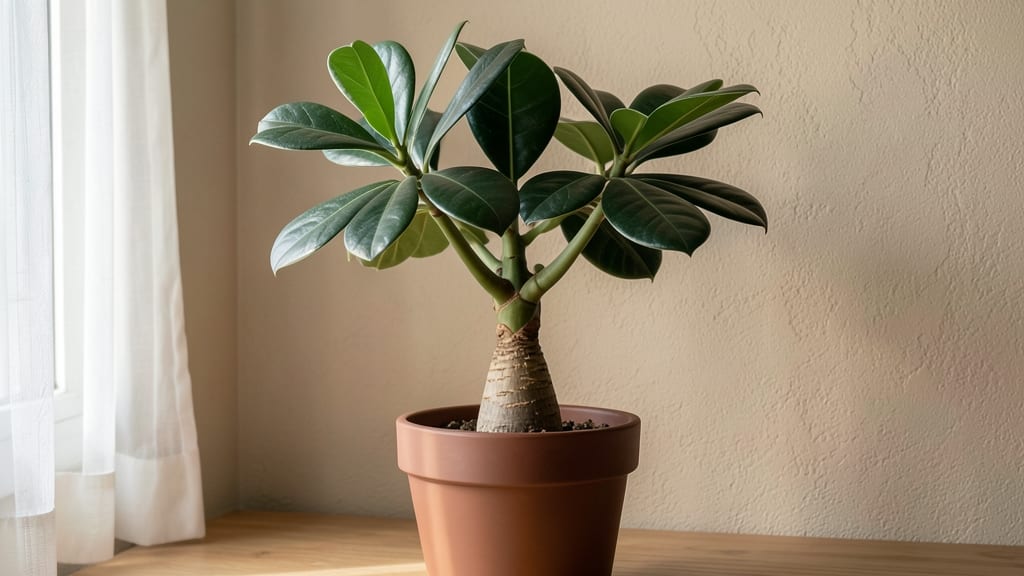
If you're wondering how tall your ZZ Plant (🌱 Zamioculcas zamiifolia) can grow before it becomes unruly, the answer might surprise you—this hardy houseplant often stretches taller than you'd expect without much effort on your part.
Most ZZ Plants reach 2 to 3 feet tall indoors, but with the right conditions (or lack thereof), some can even hit 4 feet or more. The key? Light exposure, pot size, and how often you prune play huge roles in whether your plant grows skyward or stays compact.
Don’t worry if yours is already towering over your bookshelf—there are simple ways to manage its height while keeping it lush. I’ll break down how to control growth, when to prune for bushier foliage, and why some plants grow faster than others.
Ready to turn your ZZ Plant into a low-maintenance statement piece? Let’s dive into the secrets behind its surprising height potential and how to shape it just the way you like.


ZZ plant height limits: how tall can it grow indoors?
If you’ve ever wondered, "how tall does a ZZ plant grow?" indoors, the answer depends on several factors—but most mature ZZ plants (Zamioculcas zamiifolia) reach 2 to 3 feet tall with proper care.
Some exceptional specimens can even hit 4 feet in ideal conditions, though this is rare indoors. The key to controlling height lies in understanding growth triggers like light, pot size, and age.
Unlike fast-growing tropical plants, ZZ plants grow slowly but steadily, adding only a few inches per year. In their first year, expect 1 to 2 feet of growth, while older plants may plateau around 3 feet without intervention.
This makes them perfect for small spaces or shelves, but their height can become unwieldy if left unchecked.
Outdoors in tropical climates, ZZ plants can grow taller and bushier, sometimes reaching 5 feet or more. However, indoor conditions—like limited light and smaller pots—typically cap their height at 3 feet.
The good news? You can prune or repot to manage their size and encourage fuller growth.
| Growth Stage | Height Range | Key Factors |
|---|---|---|
| Year 1 | 1–2 feet | Light exposure, pot size |
| Year 2–3 | 2–3 feet | Age, pruning habits |
| Mature (Indoors) | 2–3 feet | Light, repotting frequency |
| Outdoor Potential | 3–5 feet | Climate, soil, space |
One of the biggest misconceptions about ZZ plants is that they grow indefinitely if ignored. In reality, their height is self-regulated by environmental stressors like root-bound conditions or lack of nutrients.
If your ZZ plant suddenly stops growing taller, it might be signaling that it’s time to repot or adjust its care routine.
For example, a ZZ plant in a 6-inch pot will naturally grow shorter than one in a 12-inch pot because its roots are restricted. Similarly, placing it in a bright, indirect light spot (like a north-facing window) encourages taller, leggier growth, while low-light conditions can stunt its height entirely.
If you’re aiming for a compact, bushy ZZ plant, focus on pruning the stems and providing moderate light. This approach not only controls height but also promotes denser foliage, giving your plant a fuller, more attractive appearance.
Pruning is especially useful if your ZZ plant has grown too tall for its space or developed bare stems.
Another pro tip: Rotate your ZZ plant quarterly to ensure even growth. Since they grow toward light sources, consistent rotation prevents one-sided growth and keeps the plant balanced. This simple habit can make a noticeable difference in both height and overall shape over time.
Finally, remember that ZZ plants are drought-tolerant, but their growth rate slows when they’re underwatered or overwatered. Aim for watering every 2–3 weeks and always use a pot with drainage holes to prevent root rot, which can further inhibit height growth.
With the right care, your ZZ plant can thrive at its ideal 2–3 foot height while adding lush greenery to your indoor space.
Whether you’re a beginner or a seasoned plant parent, understanding these growth limits will help you keep your ZZ plant happy and well-proportioned for years to come. 🌿
5 Key factors that control ZZ plant growth height
If you’ve ever wondered why your ZZ Plant grows like a towering skyscraper in one spot but stays stubby in another, the answer lies in these 5 key factors.
Unlike fussy houseplants, ZZ Plants adapt surprisingly well—but their height depends heavily on how you care for them. Let’s break down what truly controls their vertical growth.
First, light exposure is the #1 height influencer. ZZ Plants stretch dramatically toward the nearest light source, often leaning at 45-degree angles if placed near a window. This isn’t just unsightly—it’s a sign your plant is starved for brightness.
Rotate your pot quarter-turns every 2 weeks to encourage even growth and prevent lanky stems.
Next, pot size plays a sneaky role. When roots outgrow their container, your ZZ Plant will prioritize height over bushiness to access more light. A pot that’s too large (3+ inches wider than the root ball) forces the plant to focus on filling space instead of growing upward.
Stick to 12-16 inch pots for mature plants to keep height in check.
Don’t underestimate watering habits, either. While ZZ Plants are drought-tolerant, overwatering triggers root rot, which stunts growth entirely. I’ve seen plants double in height within months after switching from weekly watering to a once-every-3-weeks schedule.
Stick your finger 2 inches into the soil—if it’s dry, it’s time to water.
Temperature also sneaks up on gardeners. ZZ Plants thrive in 65-75°F ranges, but drafts or AC vents can shock their growth. Keep them away from cold windows in winter and avoid placing them near heating vents in summer.
A sudden drop below 55°F will pause height growth until conditions improve.
Finally, pruning isn’t just for aesthetics—it’s a growth hack. When you trim back 1/3 of the plant’s height, you trigger lateral bud growth, resulting in a fuller, bushier ZZ Plant.
Time your prune for early spring when the plant naturally ramps up growth. Just avoid cutting into woody stems, as these won’t regrow.