
Plants
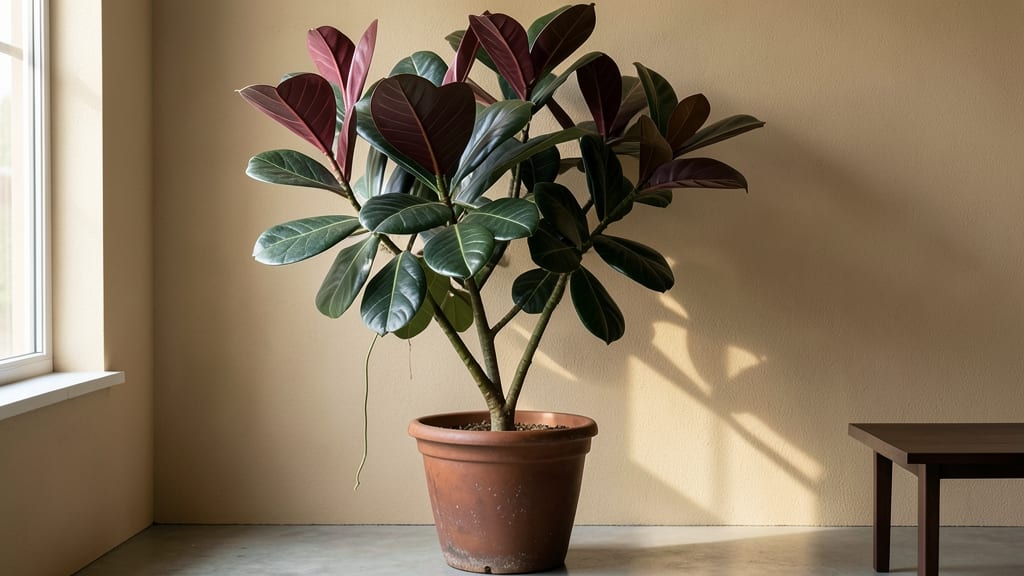
Wondering how tall your rubber plant 🌿 could grow if left to its own devices? The answer might surprise you—this hardy houseplant can stretch from a modest 3 feet all the way up to a towering 10 feet indoors, depending on care and conditions.
Whether you're dreaming of a lush vertical accent or just want to keep it manageable, understanding the growth factors is key to shaping your plant's future.
Most rubber plants start small, reaching just 1-2 feet in their first year, but with the right light and nutrients, they can add 2-3 feet annually afterward.
The difference between a compact shrub and a ceiling-grabbing giant often comes down to simple adjustments like pot size, pruning habits, and even your home's lighting. Let me break down what influences that growth—and how you can steer it in the direction you want.
If you've ever watched your rubber plant stretch toward a window only to develop leggy stems, you're not alone. The good news? This adaptable plant responds well to guidance, whether you're aiming for a compact bush or a striking floor specimen.
I'll share the secrets to controlling height, from strategic pruning to the best placement for balanced growth.
Ready to turn your rubber plant into the statement piece you envisioned? Let's dive into the factors that shape its height—and how to make the most of your green space, no matter your room's size.


Rubber plant height limits: average growth ranges by indoor conditions
Your rubber plant (Ficus elastica) can reach dramatically different heights depending on its environment. Under ideal indoor conditions, these tropical beauties typically grow between 6 to 10 feet tall, but with proper care, they can even surpass that—especially in spacious homes or greenhouses.
The key to predicting height lies in understanding how light exposure, pot size, and plant age interact to influence growth rates.
For example, a 1-year-old rubber plant might only reach 1-2 feet tall, while a 3-year-old specimen could easily tower at 5-6 feet. Without intervention, some varieties like the standard Ficus elastica will naturally grow taller, while dwarf varieties stay more compact.
Let’s break down what to expect based on your specific conditions.
| Growth Stage | Height Range | Light Needs | Time to Reach |
|---|---|---|---|
| Seedling | 0.5–1 ft | Bright indirect | 0–6 months |
| Year 1 | 1–2 ft | Medium indirect | 12 months |
| Year 2–3 | 3–5 ft | Bright indirect | 2–3 years |
| Mature Indoor | 6–10 ft | High indirect | 4–6 years |
| Outdoor (Tropical) | 10–15 ft | Full sun | 5+ years |
Notice how outdoor rubber plants in tropical climates can grow 50% taller than their indoor counterparts? This dramatic difference is due to full-sun exposure and larger root systems.
Indoors, your plant’s height depends heavily on light placement—a window near the east or north will yield slower but more controlled growth, while south-facing windows can accelerate height gains (though risk leaf scorch).
Pot size also plays a critical role. A rubber plant in a 12-inch pot will grow 2–3 feet per year if given enough light, while the same plant in a small 6-inch container may only add 6–12 inches annually.
Root-bound plants focus energy on filling their pots rather than reaching upward. If you want a compact rubber plant, repot into a shallow, wide container to encourage bushier growth.
Another factor is your plant’s variety. The Ficus elastica 'Robusta' variety often grows the tallest, while 'Creative' or 'White Knight' varieties stay shorter and bushier. Even within the same species, genetic differences can lead to height variations of 3–4 feet under identical care conditions.
Always check your plant’s specific cultivar name for more precise expectations.
One common misconception is that rubber plants grow slowly in winter. While growth does slow to a crawl during cool months (November–February), they can still add 6–12 inches if kept in a warm room (65–75°F) with adequate light.
The real growth spurt happens in spring and summer, when your plant may shoot up 1–2 feet in just 3–4 months with proper care.
If you’re concerned about your rubber plant outgrowing its space, don’t panic—pruning can reset its height while encouraging fuller foliage.
I’ll cover height control techniques in the next section, but for now, remember: a well-lit, slightly root-bound rubber plant in a large pot will almost always reach its full 6–10 foot potential indoors.
With the right conditions, you could end up with a living room centerpiece that rivals small trees! 🌿
For those in USDA Zone 10 or warmer, outdoor rubber plants can become small trees, reaching heights of 10–15 feet over 5–10 years. Even in colder zones, they can thrive outdoors in summer months before being brought back inside for winter.
The key is gradual acclimation to prevent shock from temperature swings.
To maximize your rubber plant’s height potential, focus on these three pillars: light, space, and consistent care. Skimp on any of these, and you’ll likely end up with a stunted
Rubber plant height limits: average growth ranges by indoor conditions
Rubber plants (Ficus elastica) are famous for their dramatic growth potential, but their mature height depends heavily on your indoor environment. Under ideal conditions, these tropical plants can reach 6 to 10 feet tall indoors—transforming from a small tabletop plant into a striking room divider.
However, many gardeners see their rubber plants max out at just 3 to 4 feet due to common care missteps like insufficient light or root-bound pots.
The key to unlocking your rubber plant’s full height lies in understanding its growth stages. In their first year, expect 1 to 2 feet of growth, with each subsequent year adding 2 to 3 feet under optimal conditions.
Without proper care, growth slows dramatically, leaving you with a leggy, underwhelming specimen instead of a lush vertical statement piece.
| Stage | Height Range | Key Factors |
|---|---|---|
| Year 1 | 1–2 ft | Small pot, minimal light |
| Year 2 | 3–4 ft | Repotted, moderate light |
| Year 3+ | 5–10 ft | Optimal light, large pot |
Light exposure is the single biggest factor determining your rubber plant’s height. In bright indirect light, these plants grow aggressively upward, while low-light conditions force them to stretch and become leggy.
Position your plant within 3 to 6 feet of an east or north-facing window to maximize vertical growth while avoiding sunburn from direct afternoon rays.
Pot size also plays a crucial role—root-bound plants focus energy on leaf production rather than height. When your rubber plant outgrows its container by 2–3 inches, it’s time to repot into a well-draining mix with perlite or orchid bark.
Choose a pot just 1–2 inches larger in diameter to encourage upward growth rather than bushy sprawl.
Interestingly, some rubber plant varieties naturally stay shorter. The 'Black Prince' and 'Robusta' varieties typically max out at 3 to 5 feet even with ideal care, while variegated types like 'Tineke' often grow taller (up to 8 feet) due to their higher light requirements.
Always check your specific variety’s growth habits when planning for height.
For those concerned about ceiling clearance, remember that rubber plants grow slowest in winter when natural light decreases. This seasonal slowdown gives you time to adjust care or prune before the next growth spurt.
With the right balance of light, space, and occasional pruning, you can guide your rubber plant to reach its full height potential without sacrificing your home’s decor.