
How To
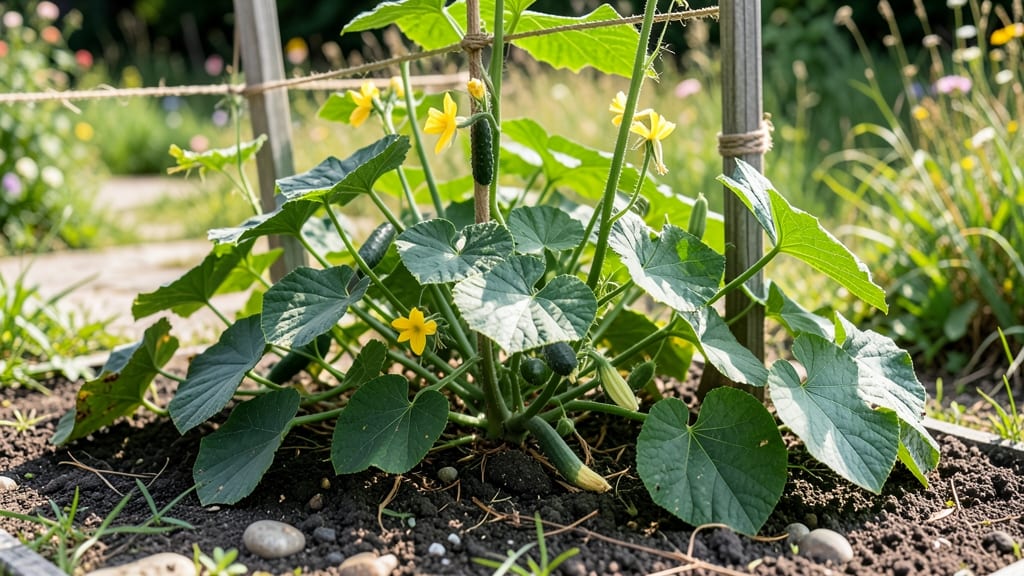
If you've ever wondered whether your small garden or balcony can grow a thriving cucumber plant, the answer is a resounding yes—but it all comes down to understanding how tall cucumber plants grow.
Some varieties sprawl like vines reaching 20 feet in the air, while others stay neatly compact at just 1-3 feet. The difference isn't just about space; it's about strategy.
Most home gardeners assume cucumbers need sprawling ground space, but with the right techniques, you can train them vertically, saving room and boosting yields. Whether you're working with a tiny urban plot or a cozy backyard, knowing the growth habits of your cucumber variety is the key to success.
Let me show you how to choose the perfect plant and train it to fit your space—without sacrificing a single harvest.
Bush varieties are ideal for containers or small gardens, while vining types thrive with trellises or stakes. The choice depends on your goals: quick, easy picking or maximum production in tight quarters.
I’ll break down the best options and share my top tips for keeping your cucumbers happy, healthy, and high-yielding, no matter how much (or little) space you have.
Ready to turn your cucumber dreams into reality? Let’s dive into the world of compact vines, trellising tricks, and the best varieties for small spaces—so you can enjoy fresh, homegrown 🥒 all season long.


Cucumber plant height variations: bush vs. vining types explained
Cucumber plants aren't one-size-fits-all when it comes to height. The genetics of your chosen variety determine whether you'll be dealing with 3-foot bush varieties or 20-foot sprawling vines.
Understanding these differences helps you plan your garden layout, select the right support structures, and maximize your space—whether you're working with a sprawling backyard or a cozy balcony container.
Most gardeners assume cucumbers are all tall climbers, but the truth is far more diverse. Bush cucumbers stay compact, while vining types can become towering giants if left unchecked. Even within these categories, there are semi-bush varieties that bridge the gap, offering a middle ground for gardeners with moderate space.
Knowing these distinctions is key to choosing plants that fit your growing conditions and personal preferences.
Here’s how the three main types compare in terms of height, growth habits, and ideal spacing—so you can pick the perfect cucumber for your garden:
| Type | Mature Height | Growth Habit | Ideal Spacing | Best For |
|---|---|---|---|---|
| Bush Cucumbers | 1–3 ft | Compact, rounded | 18–24 in apart | Containers, small gardens |
| Semi-Bush Cucumbers | 3–6 ft | Moderate spread, needs light support | 24–36 in apart | Small yards, raised beds |
| Vining Cucumbers | 10–20 ft | Long, sprawling, needs trellis | 3–4 ft apart (or vertical) | Large gardens, fences, trellises |
If you're limited on space, bush cucumbers are your best bet—they thrive in containers or small garden plots without needing extra support.
My 5-gallon pots on the patio grow Bush Champion cucumbers every summer, and they produce just as many fruits as their taller counterparts, just in a more manageable form. For those with a bit more room, semi-bush varieties offer a happy medium, requiring minimal trellising while still stretching upward.
On the other end of the spectrum, vining cucumbers are the showstoppers of the garden. Left to their own devices, they’ll sprawl across the ground, competing with other plants for sunlight and nutrients.
But with the right trellising system, they can grow vertically, saving space and making harvesting a breeze. I’ve seen Marketmore 76 cucumbers climb a 12-foot trellis in my garden, producing cucumbers all summer long without taking up valuable ground space.
Choosing the right cucumber variety isn’t just about height—it’s also about yield potential, flavor, and disease resistance. For example, bush varieties often have shorter harvest windows, while vining types can produce continuously if given proper care.
If you’re new to growing cucumbers, start with a semi-bush variety like Straight Eight—it’s forgiving, productive, and easy to manage, even for beginners.
One common misconception is that taller cucumbers always mean better yields. While vining types can produce more fruits, they require more space management and pruning to keep them healthy. In my experience, a well-trained 3-foot bush cucumber can outperform a neglected 15-foot vine if the bush gets consistent care.
The key is matching your garden’s layout to the plant’s natural growth habits.
For those with urban gardens or balconies, dwarf varieties are a game-changer. Varieties like Spacemaster or Diva stay under 2 feet tall and thrive in 5-gallon containers. I’ve grown them in hanging baskets with great success, proving that you don’t need a sprawling yard to enjoy fresh cucumbers.
The trick is selecting varieties bred for compact growth and ensuring they get enough sunlight and water.
If you’re still unsure which type to choose, consider your harvesting style. Bush cucumbers are easier to pick from the ground, while vertical vines keep fruits off the soil, reducing disease risk.
I prefer vining cucumbers for their continuous production, but I always install a sturdy trellis to keep them in check. Whichever you choose, remember that proper training and support can make even the tallest cucumbers manageable.
How to train cucumber plants vertically: maximizing space without sacrificing yield
If you’ve ever watched a cucumber vine sprawl across your garden like a green monster, you know how quickly they can take over. But with the right vertical training techniques, you can transform those rambling vines into neat, high-producing plants that save space and make harvesting a breeze.
I’ve trained my own cucumbers up 6-foot trellises in my backyard, and the difference in yield and organization is night and day.
The key to vertical cucumber growth lies in support structures, timely pruning, and proper vine guidance. Without training, vining cucumbers can reach 10-20 feet, but with a sturdy trellis or cage, you can keep them compact and manageable while still enjoying a bountiful harvest.
Whether you’re working with a small balcony or a backyard plot, these methods will help you maximize your space efficiently.
Step-by-Step Vertical Training Guide
- Choose the right support: Use a trellis (6-8 ft tall), A-frame cage, or strong stakes spaced 12-18 inches apart. My favorite is a DIY wooden trellis painted to prevent rot.
- Start training early: Once vines reach 12-18 inches, gently tie them to the trellis with soft plant ties or old fabric strips. Avoid wire—it can damage tender stems.
- Prune strategically: Remove side shoots (suckers) that grow below the first 5-6 leaves to encourage upward growth. This redirects energy to fruit production.
- Guide vines upward: As new growth appears, weave vines through trellis slats or tie them to the structure. Avoid letting them sprawl—this keeps the plant aerated and disease-resistant.
- Harvest frequently: Pick cucumbers every 2-3 days to prevent overloading the vine. Overripe fruit weighs down branches, making vertical training harder.
- Adjust for heat: In hot climates, provide shade cloth during peak afternoon sun to prevent vines from drying out or burning.
One common mistake I see is waiting too long to train vines. If you let cucumbers sprawl for more than 3 weeks, they’ll develop woody stems that are harder to manage later.
Start guiding them as soon as they’re 12 inches tall—this ensures a clean, upright structure and easier harvesting.
For container gardening, opt for smaller trellises (4-5 feet) or spiral cages. I’ve grown bush cucumbers in 5-gallon buckets with a mini trellis, and they thrived with minimal space.
Just ensure your container has drainage holes and support for climbing. The right setup can turn even a balcony into a cucumber powerhouse.
Pro tip: If you’re growing heirloom or slicing cucumbers, vertical training isn’t just about space—it also improves air circulation, reducing the risk of powdery mildew and bacterial wilt. My vertical plants stay healthier and produce longer into the season than their sprawling counterparts.
With these techniques, you can keep cucumber plants under control while boosting your harvest. Whether you’re a beginner or seasoned gardener, vertical training is a game-changer for small spaces—and your back will thank you too! 🌱