
Plants
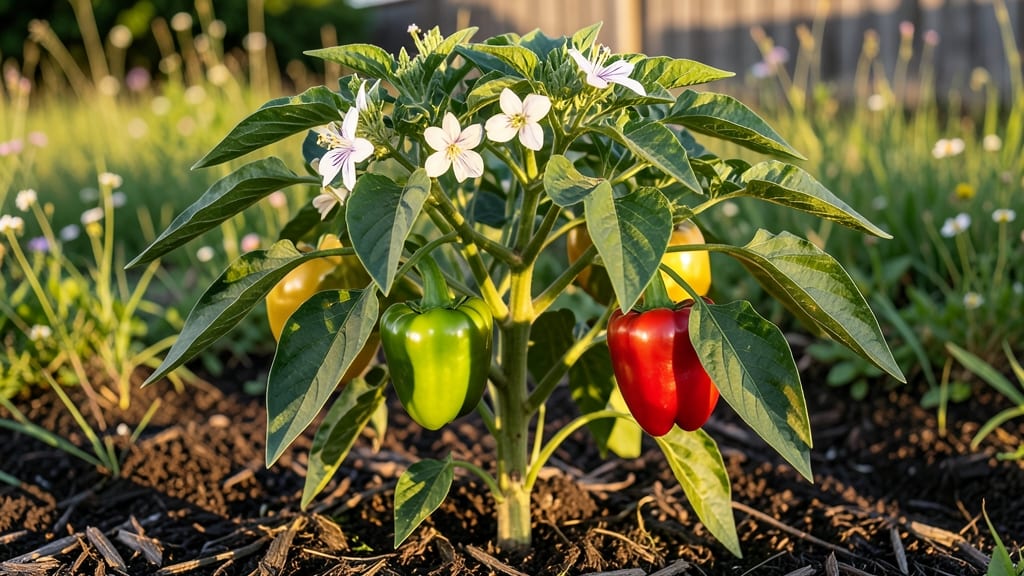
If you’re planning your garden layout and wondering how tall bell pepper plants grow, the answer depends more on the variety you choose than you might think.
Some stay compact at just 18 inches, while others can stretch toward 4 feet—and that difference matters for everything from spacing to support needs.
Standard varieties like 'California Wonder' typically reach 3–4 feet, making them perfect for cages or stakes, while dwarf types like 'Aristotle' max out around 2 feet. Knowing these heights helps you avoid overcrowding and ensures your 🌶️ plants get the airflow they need to thrive.
Beyond variety, factors like pruning, sunlight, and soil quality can influence height—sometimes dramatically. A well-supported plant grows taller and produces more peppers, but too much shade or overwatering can stunt growth entirely.
Let’s break down the exact heights by type, when to add support, and simple tricks to maximize your harvest—no guesswork required.


Bell pepper plant height by variety: compact vs. tall-growing types
Bell pepper plants typically reach heights between 18 to 36 inches at maturity, but the exact size depends heavily on the variety you choose. Some compact dwarf varieties stay under 2 feet tall, while standard types can grow up to 4 feet or taller.
Understanding these differences helps you plan garden spacing and support structures effectively to avoid overcrowding or stunted growth.
For example, the popular 'California Wonder' variety grows 3 to 4 feet tall, making it ideal for larger gardens or containers with trellises. In contrast, 'Jupiter' bell peppers max out at 2 to 3 feet, perfect for smaller spaces or window boxes.
These height variations also impact yield potential and fruit production, so choosing the right type for your space is key.
Here’s how to visualize the differences between compact and tall-growing bell pepper varieties to plan your garden layout:
| Variety | Mature Height | Growth Habit | Best For |
|---|---|---|---|
| California Wonder | 3–4 ft | Tall, upright | Large gardens, trellises |
| Jupiter | 2–3 ft | Bushy, compact | Containers, small spaces |
| Aristotle | 2–3 ft | Semi-dwarf, bushy | Balconies, raised beds |
| Lucky Counter | 1–2 ft | Dwarf, compact | Window boxes, patios |
| Sweet Banana | 3–4 ft | Tall, sprawling | Trellises, vertical gardens |
When selecting varieties, consider your garden layout and available sunlight. Tall varieties like 'California Wonder' thrive with 6+ hours of sun and benefit from vertical support to prevent sprawling. Compact types, such as 'Lucky Counter', are perfect for small spaces or container gardening where height isn’t a concern.
If you’re growing bell peppers in containers, opt for dwarf or semi-dwarf varieties to save space. A 5-gallon pot can comfortably accommodate a 2-foot-tall plant like 'Jupiter', while taller varieties may require 10-gallon containers or deeper planters to support their root systems and prevent toppling.
Another factor to consider is fruit production. Taller plants often produce more peppers but may need additional support to keep branches from sagging under the weight. Pruning can also encourage bushier growth in taller varieties, redirecting energy from vertical growth to fruit development.
For urban gardeners or those with limited space, bush varieties are a game-changer. They mature faster and produce peppers closer to the ground, making them easier to harvest. Just ensure they’re spaced 12–18 inches apart to allow for airflow and reduce disease risk.
Pro tip: If you’re unsure about a variety’s height, check the seed packet or plant tag for mature size estimates. Many nurseries now label plants with their expected height range, which simplifies planning.
For example, a tag might read "24–36 inches tall", giving you a clear idea of what to expect.
Remember, even within the same variety, growing conditions like sunlight, soil quality, and watering can influence height. A 'California Wonder' plant in partial shade might stay shorter than one basking in full sun. Pay attention to your plants’ needs and adjust care accordingly to maximize growth.
When and how to provide support for tall bell pepper plants
Bell pepper plants—especially taller varieties like 'California Wonder'—often need support to prevent stem breakage under the weight of fruit. Without proper structural support, plants can flop over, reducing air circulation and increasing disease risk.
I’ve found that staking or caging at the right time makes all the difference in maximizing yield and plant health.
Most bell pepper varieties reach support-ready height between 12–18 inches tall, typically 2–3 weeks after transplanting. If your plants are growing taller than 24 inches without support, they’re at high risk of toppling. Look for leggy stems or bending branches as clear signs it’s time to act.
Here’s how I determine when to install support: First, check the plant’s growth habit. Bush varieties like 'Jupiter' need minimal support, while indeterminate types (like 'Aristotle') grow continuously and require vertical support from early on.
Second, monitor fruit load—once peppers start forming, the plant’s center of gravity shifts dramatically.
One common mistake I see is waiting too long to add support. If your plants are already top-heavy with fruit, they may not recover. Start early, and your bell peppers will thrive vertically, producing more peppers with less risk of damage.
For container growers, use deep pots (12+ inches) with built-in cages or freestanding trellises. Just ensure the container can support the plant’s weight—tall varieties can reach 4 feet and become surprisingly heavy when laden with peppers!