
Plants
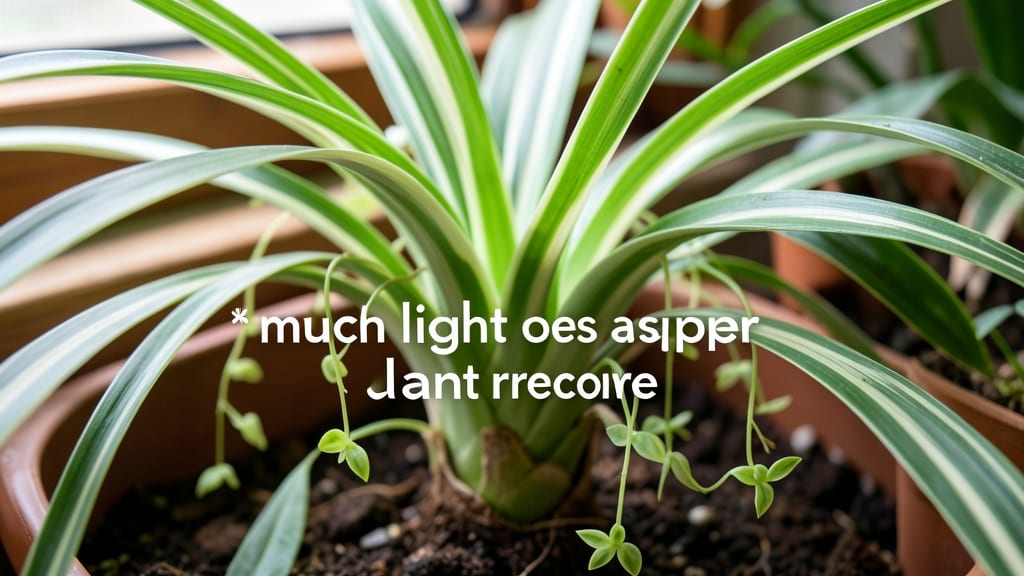
If your 🕷️ Spider Plant is struggling to thrive, the answer might be simpler than you think—how much light does a spider plant require to keep this hardy houseplant happy and healthy?
These plants are famously adaptable, but too much or too little light can send them into a decline, leaving you with brown tips, leggy growth, or worse.
Most people assume Spider Plants need bright sunlight, but the truth is they actually prefer bright indirect light—think east or north-facing windows where the sun’s rays are gentle but consistent.
I’ve found that even low-light conditions work, though your plant will grow slower and may stretch toward any available light source.
In this guide, I’ll break down exactly how much light your Spider Plant needs to flourish, whether you’re keeping it indoors or outdoors. You’ll learn how to spot signs of light stress and adjust your care routine to create the perfect growing conditions—no guesswork required.
Ready to give your plant the ideal spot? Let’s dive into the simple tricks that’ll have your Spider Plant thriving in no time.

Spider plant light requirements: ideal conditions for healthy growth
If you've ever wondered, "how much light does a spider plant need to thrive," you're not alone. These hardy houseplants are famously adaptable, but they still need the right balance of bright indirect light to stay lush and vibrant.
Unlike sun-loving succulents, spider plants (Chlorophytum comosum) prefer filtered sunlight—think dappled shade or a spot near a window with sheer curtains.
The ideal light conditions for a spider plant fall between 4-6 hours of bright indirect light daily. This means placing your plant within 2-3 feet of an east- or north-facing window, where sunlight is gentler.
South-facing windows can work too, but only if the plant is shielded from harsh afternoon rays with a sheer curtain or sheer fabric.
Here's the key: spider plants are low-light tolerant, which makes them perfect for offices or bathrooms with minimal natural light. However, they'll grow slower and leggier in dim conditions. If you notice long, sparse stems with few leaves, it's a sign your plant is yearning for more light.
On the flip side, too much direct sun can scorch their leaves, turning them yellow or brown at the tips.
Pro tip: Rotate your spider plant quarter-turns every 2-3 weeks to ensure even growth. This simple habit prevents one side from leaning toward the light source, keeping your plant symmetrical and healthy. Even in low-light conditions, a rotated plant will grow more evenly than one left in the same spot.
🌱 Spider Plant Light Requirements Summary
| Light Condition | Description | Growth Impact |
|---|---|---|
| Bright Indirect Light | East/west-facing windows, 2-3 ft away; north-facing windows | Optimal growth, vibrant leaves, frequent pups |
| Low Light | Bathrooms, offices, rooms without windows | Slow growth, leggy stems, fewer pups |
| Direct Sunlight | South-facing windows without shade, outdoor full sun | Brown tips, crispy edges, sunburn |
💡 Light Adjustment Tip: Use a sheer curtain to diffuse harsh sunlight if your spider plant shows signs of stress.
For gardeners in USDA Zone 6 or warmer, spider plants can also thrive outdoors in partial shade gardens. Plant them under the canopy of trees or in areas where they receive morning sun and afternoon shade.
Just be sure to acclimate them gradually to outdoor conditions to avoid shock. Start by placing them in a protected spot like a covered patio for a week before moving them to their permanent location.
One of the most misunderstood aspects of spider plant care is their ability to adapt to varying light levels. While they prefer bright indirect light, they won’t die in low light—they’ll just grow more slowly.
If you're dealing with a dimly lit apartment, consider supplementing natural light with a grow light for 6-8 hours a day. A simple LED grow bulb placed 12-18 inches above the plant can work wonders for encouraging healthier foliage and more frequent pups.
When it comes to outdoor placement, spider plants make excellent container plants for shaded patios or balconies. Just avoid placing them in full sun, especially during the hottest summer months (June-August).
If you notice the leaves developing yellow or brown patches, it’s a clear sign they’re getting too much direct sunlight. Move them to a shadier spot immediately and monitor their recovery over the next few weeks.
Remember, the goal is balance. A spider plant in perfect light conditions will reward you with long, arching leaves, vibrant green stripes, and an abundance of pups (baby plants) that you can propagate.
With the right light, your spider plant won’t just survive—it’ll thrive and multiply, making it one of the easiest and most rewarding houseplants to grow.
🌿 Quick Light Check: Hold your hand near the plant’s leaves. If you can barely see your shadow on the leaves, the light is just right. If the leaves are completely shadowless, it’s too bright.
Signs of too much or too little light: how to fix common issues
Your spider plant might be sending you signals about its light conditions through its leaves and growth patterns. Ignoring these cues can lead to stunted growth or even plant death. Let’s decode the visual warnings and learn how to adjust care for a thriving plant.
If your spider plant develops brown tips or crispy edges, it’s likely receiving too much direct sunlight. These symptoms appear when leaves are exposed to harsh rays, causing dehydration. Move your plant to a shadier spot or away from south-facing windows where sunlight is most intense.
Yellow leaves or a pale, washed-out appearance often indicate insufficient light. While spider plants are adaptable, they’ll stretch toward light sources in low-light conditions, a phenomenon called etiolation. This results in leggy stems and sparse foliage. Rotate your plant occasionally to ensure even growth and consider supplementing with a grow light if natural light is lacking.
- Brown tips = Too much direct light or underwatering
- Yellow leaves = Too little light or overwatering
- Leggy growth = Stretching toward light (low light)
For outdoor spider plants, watch for scorched leaves during summer months. If placed in partial shade, monitor for sudden changes in weather—like unexpected heatwaves—that can stress the plant. Provide afternoon shade or relocate temporarily to prevent damage.
To revive a light-deprived spider plant, gradually introduce it to brighter conditions over 1-2 weeks. Sudden exposure to strong light can shock the plant. Pair this with balanced fertilization (like a 10-10-10 mix) to support recovery and encourage vibrant regrowth.
Regularly inspect your plant’s foliage and growth habits to catch issues early. A happy spider plant thrives in moderate indirect light, producing arching leaves and frequent pups (baby plants). With the right adjustments, you’ll see a healthier, more resilient plant in no time!