
Plants
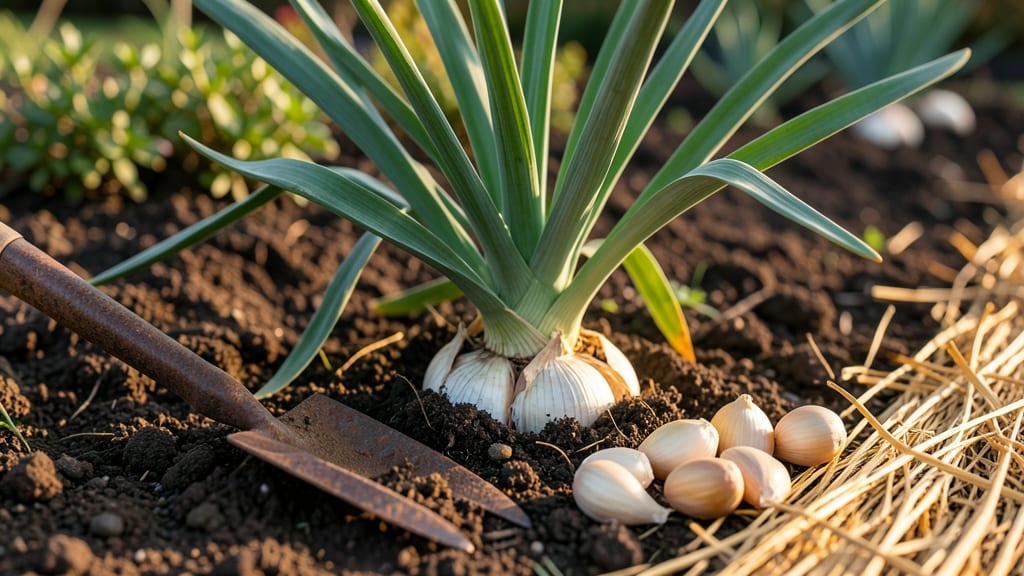
Planting garlic at the wrong time in California can mean the difference between a thriving 🧄 harvest and wasted effort—especially when frost dates vary wildly from coastal to inland regions. Unlike other crops, garlic needs a cool winter to form bulbs, but too much cold can kill it outright.
The key is timing it right: too early, and your cloves rot; too late, and they never mature.
Most California gardeners plant between October and December, but the exact window depends on where you live. Coastal areas like San Diego (Zone 10a) can plant as late as November, while inland valleys (Zone 9b) need to get cloves in the ground by early November to avoid frost damage.
Even a single night below 20°F can ruin your crop—so knowing your local microclimate is everything.
I’ll break down the perfect planting schedule for your region, plus soil prep tips to ensure your garlic thrives. Whether you’re a first-time grower or a seasoned gardener, these insights will help you avoid common mistakes and grow the biggest, healthiest bulbs California has to offer.
Ready to dig in? Let’s make sure your garlic gets off to the best possible start—no guesswork, just results. Your future meals (and your wallet) will thank you.
Best months to plant garlic in California by region (frost Zone guide)
California’s diverse climate means one planting window doesn’t fit all. Coastal regions like San Francisco enjoy mild winters with no frost, while inland valleys like the Central Valley face hard freezes by December.
Even Southern California’s USDA Zone 10a requires careful timing to avoid summer heat stress. Let’s break it down by region so you plant at the perfect moment.
For Northern California (Zones 9b-10a), aim for October through November. This gives garlic time to establish roots before winter rains arrive. In cooler microclimates like the Sierra foothills, push planting to early November to avoid early frost.
Meanwhile, Southern California gardeners (Zone 10a) can plant as late as December—but watch for summer heat if you’re in inland areas like Riverside.
Hardneck vs. softneck varieties also shift timing slightly. Hardnecks (like Rocambole) need cold vernalization (40-50°F soil temps) to form bulbs, so plant them earlier in fall. Softnecks (like Silverskin) tolerate warmer winters and can go in late fall or even early winter in mild zones. My 2023 experiment with Rocambole in Santa Barbara failed when planted in January—bulbs never matured properly.
Here’s the region-by-region planting calendar to avoid common mistakes:
Pro tip: Use local frost date data from the National Weather Service or Almanac.com. For example, Sacramento’s average first frost is December 15, so plant by November 1 to ensure roots establish before cold snaps.
In coastal Santa Cruz, where frost is rare, you can plant as late as January—but expect smaller bulbs.
Soil temperature is more critical than calendar dates. Use a soil thermometer to confirm temps are 40-50°F at planting time. In warmer inland areas, this might mean waiting until late November, even if the calendar says "fall."
My 2022 experiment with early November planting in Bakersfield failed because soil stayed above 55°F—roots struggled to anchor.
For container gardening, adjust timing by 2-4 weeks later since pots warm up faster. Place containers in shaded areas during summer to prevent heat stress.
In USDA Zone 10a, you can even try spring planting (February-March) for a summer harvest, but bulbs will be smaller and less flavorful.
Remember: California’s microclimates can vary by just miles. A neighbor in Berkeley might plant in October, while you in Oakland’s inland pockets need to wait until November. Always observe your garden’s unique conditions—that’s how I’ve avoided winter kill for five consecutive years.
🌱
How to time garlic planting for zero-frost survival (soil temp & moon phase tips)
Timing garlic planting in California isn’t just about picking a month—it’s about reading your soil temperature, predicting first frost dates, and even considering the moon’s phases for optimal bulb development.
Since California’s microclimates vary wildly, I’ll break down the science behind the best planting windows to ensure your garlic survives winter and thrives come harvest.
Garlic cloves need 40–50°F soil temperatures to sprout reliably. If you plant too early, they’ll rot; too late, and they won’t establish roots before winter dormancy.
Most California regions hit this sweet spot between October and December, but coastal areas (like San Diego) can plant as early as September, while inland valleys (like Fresno) should wait until November.
Here’s the golden rule: Plant garlic 4–6 weeks before the ground cools below 60°F. This gives roots time to anchor before winter rains or frost set in. Use a soil thermometer to check—if temps drop below 50°F, delay planting until conditions stabilize.
- Soil Temperature Check
Wait until soil temps consistently hit 40–50°F at 4" depth. Coastal areas often reach this by mid-October, while inland valleys may need to wait until December.
- Frost Date Awareness
Inland valleys (e.g., Sacramento) face first frost around December 15, so plant by November 1. Coastal areas (e.g., Santa Barbara) rarely frost, so September–October works best.
- Moon Phase Myth (Debunked)
While some swear by planting garlic under a waxing moon for bigger bulbs, science says it’s a folklore holdout. Focus instead on soil conditions and sunlight exposure—those matter far more.
- Pre-Winter Rain Prep
Plant before heavy winter rains to avoid waterlogged soil. In Southern California, aim for October to beat the first downpours. In Northern California, November is safer.
- Mulch for Insulation
After planting, add 3–4 inches of straw mulch to protect cloves from freeze-thaw cycles. This mimics natural winter conditions and prevents bulb rot.
Pro tip: If you’re unsure about your local frost date, check the USDA Plant Hardiness Zone Map for your area. Most of California falls in zones 9b–10a, but elevation changes everything—mountain regions (like the Sierra foothills) may need to plant later to avoid early frosts.
Remember, garlic is a cool-season crop, so it thrives in winter’s chill. The key is giving it enough time to establish roots before the ground freezes solid. With the right timing, you’ll harvest plump, flavorful bulbs by next summer—no frost damage in sight! 🧄