
Plants
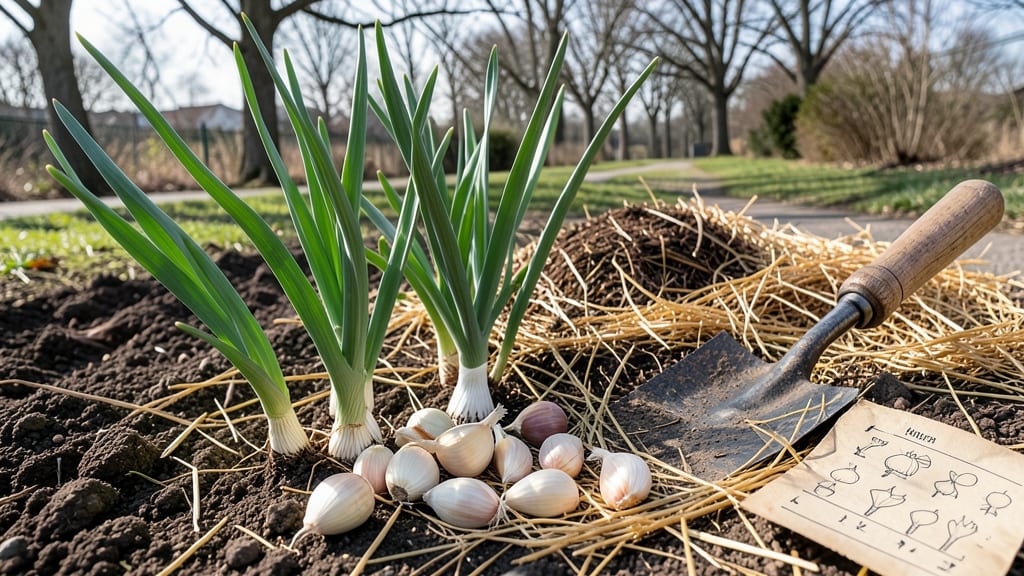
Planting garlic in North Carolina’s spring can feel like a gamble—especially when you’re aiming for the perfect hardneck harvest that thrives on precise chill-hour timing.
Unlike fall planting, which is the gold standard, spring garlic requires careful coordination with your region’s last frost date and soil temperatures to give those cloves the jumpstart they need.
Here’s the truth: if you’re in USDA Zone 7a-8b, timing matters more than you might think. Planting too early risks frost damage, while waiting too long could leave you with stunted bulbs.
I’ll break down exactly when to tuck those 🧄 cloves into the soil for maximum success—no guesswork, just science-backed dates tailored to NC’s unpredictable springs.
You might assume spring garlic is a backup plan, but with the right approach, it can yield just as well as fall-planted varieties—if you match your planting window to your local chill hours.
Let’s dive into the ideal February-March schedule that’ll have your garlic thriving by harvest time, even in North Carolina’s variable climate.
Ready to avoid the common pitfalls? I’ll walk you through soil prep, frost protection, and the exact 2-3 week window before your last frost that makes all the difference. No more wondering—just actionable steps for a harvest you can count on.
NC spring garlic planting timeline by chill-hour zones
North Carolina’s diverse climate—from the cool mountain regions to the warmer piedmont—means garlic planting times vary dramatically. Hardneck varieties, like ‘Music’ or ‘German White’, need 400-800 chill-hours to form bulbs, while softneck types like ‘Silverskin’ tolerate fewer.
Spring planting works best in NC’s higher elevations (USDA Zones 6-7) where winters provide enough chill.
For most of NC’s piedmont and coastal areas (Zones 7b-8a), spring planting is riskier because mild winters often fail to meet chill-hour requirements. However, mountain regions (Asheville, Boone) can successfully plant in late February to early March when soil temps reach 40°F and stay consistent.
Here’s how to match your location to the right planting window:
| NC Region | Chill-Hours | Ideal Planting Window | Soil Temp Check | Notes |
|---|---|---|---|---|
| Mountains (Zone 6-7) | 600-800 hrs | Late Feb - Early March | 40-45°F (4-7°C) | Best for hardneck varieties |
| Piedmont (Zone 7a-7b) | 400-600 hrs | Mid-March - Early April | 45-50°F (7-10°C) | Risky for hardneck; softneck preferred |
| Coastal (Zone 8a-8b) | 200-400 hrs | Early April - Mid-April | 50-55°F (10-13°C) | Softneck only; limited success |
If you’re in the piedmont or coastal zones, aim for mid-March to early April when soil temperatures stabilize. Use a soil thermometer to confirm—planting too early in cold soil can rot cloves, while waiting too long may skip the chill-hour window entirely.
For mountain gardeners, late February is ideal if you’ve planted fall garlic and want a second crop. Hardneck varieties like ‘Chesnok Red’ perform best here, with harvests ready by late June. Mulch with straw or leaves to protect from late frosts.
NC’s variable spring weather can throw off timing. If early planting conditions are too wet or cold, wait until soil is workable and consistently above 40°F. A general rule: plant 2-3 weeks before your last frost date (typically March 15 in most areas).
Pro tip: Use garlic varieties with lower chill-hour needs, like ‘California Early’ (300-400 hrs), if you’re in warmer zones. These adapt better to NC’s milder winters and still produce decent bulbs in spring plantings.
Remember, spring-planted garlic in NC will always yield smaller bulbs than fall-planted crops. But with the right timing and variety, you can still enjoy fresh garlic for summer cooking!
🌱
NC spring garlic planting timeline by chill-hour zones
North Carolina’s diverse climate means hardneck garlic planting times vary dramatically from the mountains to the coastal plain. Unlike softneck varieties, hardnecks require 400-800 chill-hours to form bulbs properly. Planting too early or late in spring can result in small, weak bulbs or even failed crops.
Most NC gardeners focus on spring planting (February-March), but timing depends on your USDA zone and historical chill-hour accumulation. For example, Asheville (Zone 7a) typically accumulates enough chill-hours by late February, while Raleigh (Zone 7b) may need to wait until early March.
Here’s how to match your region’s chill-hours to the perfect planting window:
| NC Region | Chill-Hour Range | Ideal Planting Window | Notes |
|---|---|---|---|
| Mountains (Asheville, Boone) | 600-800 hours | Late February - Early March | Cooler temps; plant sooner |
| Piedmont (Raleigh, Greensboro) | 500-650 hours | Early March - Mid-March | Moderate chill; adjust for mild winters |
| Coastal Plain (Wilmington, Fayetteville) | 400-550 hours | Mid-March - Late March | Warmer winters; plant latest |
If you’re unsure about your chill-hours, use NOAA’s Local Climatological Data or a chill-hour calculator to estimate. For example, a mild winter in the piedmont might mean delaying planting until mid-March to ensure enough cold exposure.
For hardneck varieties like ‘Music’ or ‘German White’, aim to plant when soil temps hit 40-50°F. Use a soil thermometer to check—planting too early in cold, wet soil can rot cloves.
In Zone 7a, this often aligns with late February, while Zone 8a areas (like the coast) may wait until March 15.
Remember: Spring-planted garlic typically yields smaller bulbs than fall-planted crops, but it’s a great option if you missed the fall window or want a late-season harvest. Just prioritize chill-hour matching and soil prep to maximize success. 🌱