
Plants
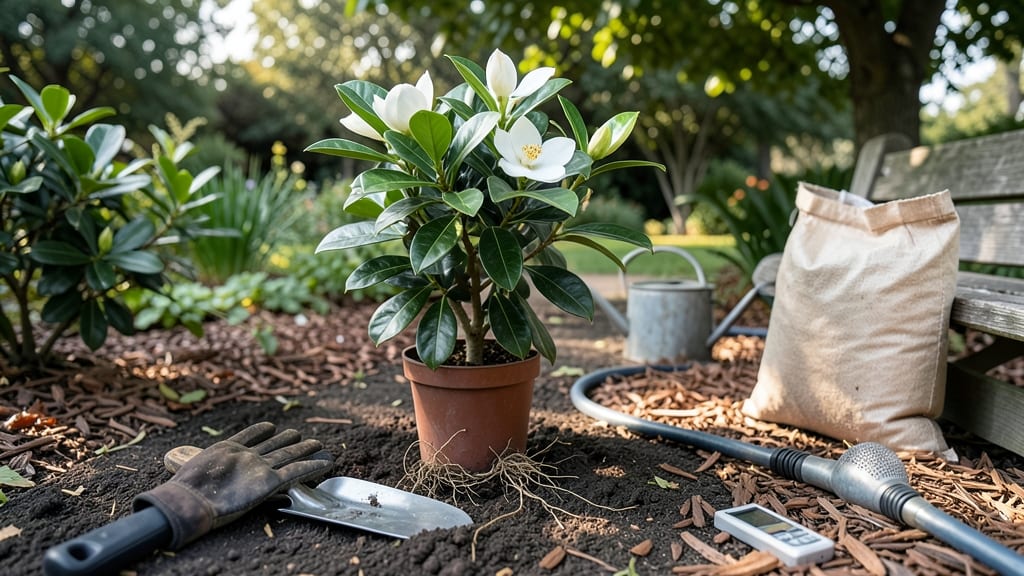
Planting gardenias in North Carolina at the wrong time can mean the difference between fragrant blooms and frozen disappointment. The ideal window—March through April after the last frost—gives these tropical beauties the head start they need to thrive in zones 7a-8b.
But here's the catch: not all gardenias handle NC's unpredictable frost the same way. Some varieties need chill-hour matching to survive winter, while others will bolt at the first cold snap.
I'll break down exactly which types work best in your specific NC region and how to protect them when late frosts sneak in.
You'll learn the step-by-step timeline for planting, from soil prep to post-planting care, plus when to hold off if your area runs late with frost. Trust me, getting this right means fewer dead plants and more of those iconic white 🌸 blooms by summer.
Whether you're in the Coastal Plain or the Piedmont, we'll cover everything you need to know to plant gardenias that not only survive but thrive in North Carolina's climate. Let's get those roots in the ground the right way.
NC chill-hour zones explained: where gardenias thrive without freezing
North Carolina’s 10 chill-hour zones (ranging from 0–1,000+ hours) determine which gardenia varieties will survive winter without damage. Most NC gardeners live in zones 7a–8b, where cold-hardy gardenias (like Gardenia jasminoides) thrive, while tropical varieties (like Gardenia augusta) need winter protection.
Your chill-hour zone (measured by winter temperatures below 45°F) dictates whether you can plant gardenias outdoors year-round or need to container-grow them for winter moves. For example, Asheville (Zone 7a) gets ~800 chill hours, while Wilmington (Zone 8a) sees only ~400.
Here’s how to match your gardenia to your NC zone for zero-frost survival:
| Zone | Chill Hours | Best Variety | Planting Window |
|---|---|---|---|
| 7a (Mountains) | 800–1,000 | 'Kleim’s Hardy' | Late April–May |
| 7b (Piedmont) | 600–800 | 'Radicans' | March–April |
| 8a (Coastal) | 400–600 | 'Veitchii' | February–March |
| 8b (Outer Banks) | 200–400 | Potted 'Fortuniana' | Year-round (container) |
Cold-hardy gardenias (like 'Kleim’s Hardy') tolerate 10–15°F dips, while tropical types (e.g., 'Mystery') need protection below 32°F. In Zone 7a, plant after May 15 to avoid late frosts, while Zone 8a gardeners can plant as early as February 15.
For container gardenias, move pots indoors before November 15 (or use frost cloth). Mulch heavily in Zone 7a to insulate roots. In Zone 8b, gardenias can often stay outdoors year-round with a thick mulch layer.
Check your NC county’s chill hours using the NC State Extension’s chill-hour map. For example, Charlotte (Zone 7b) has ~700 chill hours, while Greenville (Zone 8a) has ~500. Planting the wrong variety in a high-chill zone risks winter dieback.
If you’re unsure about your zone, use a hardy gardenia variety like 'Radicans', which blooms reliably in Zones 7–9. For maximum fragrance, plant in partial shade with acidic soil (pH 5.0–6.0).
Pro tip: Test your soil pH before planting—gardenias won’t bloom in alkaline soil. Use sulfur or pine needles to lower pH if needed. 🌸
Step-by-step planting timeline for NC gardenias (by month)
Timing your gardenia planting in North Carolina depends on your USDA zone and whether you’re in the Coastal, Piedmont, or Mountain regions. Each area has different last frost dates and microclimates, so I’ll break it down month-by-month for foolproof success.
Start with bare-root plants in early spring or container-grown gardenias slightly later for flexibility.
For Coastal NC (Zones 8a-8b), like Wilmington or Morehead City, your last frost typically falls by March 15, making February 15–March 15 the ideal window.
In Piedmont (Zones 7a-7b), such as Raleigh or Greensboro, wait until March 30–April 15 to avoid late frosts. Mountain regions (Zone 7a), like Asheville, should plant April 15–May 1 when soil warms above 60°F.
🌱 NC Gardenia Planting Timeline by Region
- Coastal NC: Feb 15–Mar 15 (Zone 8a-8b)
- Piedmont NC: Mar 30–Apr 15 (Zone 7a-7b)
- Mountain NC: Apr 15–May 1 (Zone 7a)
⚠️ Pro Tip: Use mulch (3–4 inches) after planting to insulate roots from late frosts.
March is your best month for bare-root gardenias—soak roots for 2–3 hours before planting to encourage root growth. For container-grown plants, March or early April works, but avoid planting after buds form (late April–May) or you’ll sacrifice blooms. Dig a hole twice as wide as the root ball but only as deep as the container’s root base to prevent sinking.
If you’re planting in fall (September–October), choose cold-hardy varieties like ‘Kleim’s Hardy’ or ‘Radicans’, which tolerate short chills better than tropical types. Water deeply once a week after planting and apply 2–3 inches of mulch to protect roots from temperature swings.
Fall planting gives roots time to establish before winter, but avoid it in Zone 7a Mountains where frosts arrive earlier.
April is your last chance for container-grown gardenias, but skip bare-root plants—they won’t have enough time to root before summer heat. Focus on soil prep: Amend with peat moss or pine bark to lower pH to 5.0–6.0 (gardenias hate alkaline soil!). Add a slow-release fertilizer (like 8-3-9) at planting to fuel early growth, and stake tall varieties to prevent wind damage during NC’s unpredictable spring storms.
After planting, water deeply every 5–7 days (1–2 gallons per plant) and monitor for yellowing leaves—a sign of overwatering or poor drainage. In May, reduce watering slightly as temperatures rise, but keep soil consistently moist.
By June, your gardenia should show new growth, and with proper care, you’ll see fragrant blooms by late summer—just in time for NC’s humid evenings!