
Planting
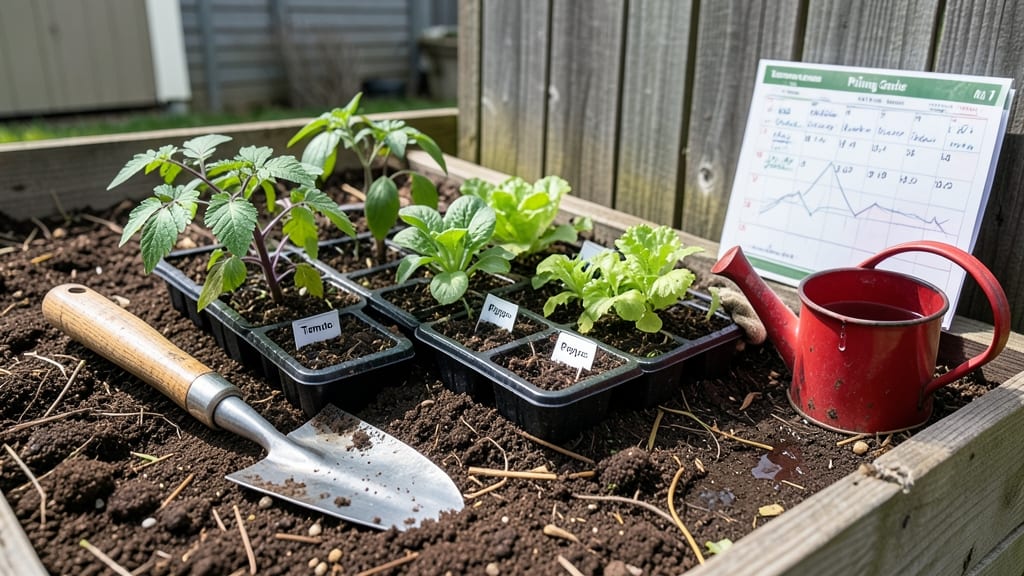
Planting your garden in Tennessee at the wrong time can mean the difference between a thriving harvest and a sad pile of frost-nipped seedlings.
With USDA zones 6a-7b and unpredictable spring weather, timing is everything—especially when you're staring at March soil that's still too cold for tomatoes but perfect for peas.
I’ve spent years watching Tennessee gardens succeed (and fail) based on when they hit the dirt, and the key isn’t just following a calendar—it’s reading your local microclimate.
Whether you’re in the cooler highlands or the warmer valleys, knowing when to plant General Garden Plants 🌱 like broccoli or peppers can add weeks to your growing season.
Here’s what you need to know: the exact months to plant for zero-frost success, how to adjust for late springs, and which crops thrive when others fail. Let’s get your garden off to the right start—because in Tennessee, timing isn’t just a suggestion, it’s survival.
From March’s first warm spells to September’s last chance for fall crops, we’ll break down the science (and the shortcuts) so you can stop guessing and start growing. Ready to turn your patch of dirt into a productive paradise?
Tennessee planting calendar by heat zone: exact months for zero-frost success
Tennessee spans USDA hardiness zones 6a to 8b, meaning your planting schedule should shift based on elevation and location. The Appalachian Mountains (zones 6a-7a) have later last frosts than the Gulf Coastal Plain (zones 7b-8b).
For example, Knoxville (zone 7a) averages its last spring frost around April 15, while Memphis (zone 8a) sees frost-free soil by March 15. Planning around these dates ensures your cool-season crops like spinach and broccoli thrive without frost damage.
Warm-season crops such as tomatoes and peppers need soil temperatures above 60°F to germinate. In Nashville (zone 7a), this typically occurs in late April, while in Chattanooga (zone 7b), you can plant as early as mid-April.
Fall planting for cool-season crops should start 8-10 weeks before your first frost, which ranges from October 15 in the mountains to November 15 in the western lowlands.
Here’s a breakdown of your planting windows by Tennessee’s most common zones, including frost dates and ideal timing for both spring and fall gardens:
| Zone | Last Spring Frost | First Fall Frost | Spring Planting Window | Fall Planting Window |
|---|---|---|---|---|
| 6a (e.g., Bristol) | April 25 | October 20 | April 15–May 15 | August 1–September 15 |
| 7a (e.g., Knoxville) | April 15 | October 30 | April 1–May 10 | August 15–October 1 |
| 7b (e.g., Nashville) | March 30 | November 5 | March 15–April 30 | August 1–October 15 |
| 8a (e.g., Memphis) | March 15 | November 15 | March 1–April 15 | July 15–October 30 |
| 8b (e.g., Jackson) | February 28 | November 25 | February 15–April 1 | July 1–November 10 |
For cool-season crops like lettuce, kale, and peas, start seeds indoors 4-6 weeks before your last frost to give them a head start.
In zone 7a, this means sowing seeds by March 1. Warm-season crops such as cucumbers and squash should wait until soil temperatures reach 60°F, which in Nashville typically aligns with mid-April. Use a soil thermometer to confirm—cold soil can stunt seed germination.
Fall planting is equally critical. In zone 6a, your window closes by September 15, while in zone 8b, you can extend it to November 10.
Prioritize fast-maturing varieties like bush beans or radishes for late-season harvests. Succession planting—sowing new seeds every 2-3 weeks—ensures a continuous harvest of leafy greens like spinach or arugula.
Pro tip: Use row covers or cold frames to extend your growing season by 2-4 weeks in both spring and fall. These tools protect tender seedlings from unexpected late frosts, which can occur as late as May 10 in the mountains or as early as October 10 in the lowlands.
Always check your local Cooperative Extension Service for hyper-local frost data—microclimates near lakes or urban areas can vary by 1-2 weeks.
If you’re new to Tennessee gardening, start with heat-tolerant crops like okra or sweet potatoes, which thrive in the state’s humid summers. For cool-season gardens, collards and turnips are excellent choices—they handle Tennessee’s variable spring temperatures with ease. Plan your garden layout with these timelines in mind
How to adjust planting dates for Tennessee’s microclimates and unpredictable weather
Tennessee’s weather can be as unpredictable as a mountain breeze—one day warm, the next a surprise frost. To beat the odds, I’ve learned to adjust planting dates based on microclimates and local frost patterns.
High-altitude areas like the Appalachians (Zone 5-6) often face later springs, while Memphis (Zone 7b) enjoys longer growing seasons. Always check your local frost dates for the most accurate timing.
Start by using row covers or cold frames to extend your spring planting window by 2-4 weeks. These simple tools create a mini greenhouse effect, protecting tender seedlings from late frosts.
For example, in Zone 6a, I plant spinach and broccoli under covers in early March, while uncovered plants wait until mid-April.
For fall planting, aim to sow cool-season crops like kale and carrots 8-10 weeks before your first frost date. In East Tennessee (Zone 6a), that’s typically late August, while West Tennessee (Zone 7b) can stretch to early October.
Use mulch to insulate soil and keep roots warm longer.
Microclimates matter! A south-facing slope warms up faster than a north-facing valley, so I plant warm-season crops like peppers and eggplants 1-2 weeks earlier in sunny spots. Conversely, shaded areas delay planting by 1-2 weeks. Always scout your garden for these microclimates before finalizing your schedule.
When in doubt, stagger plantings every 2 weeks. This ensures a continuous harvest and reduces risk if one batch fails.
For example, I plant bush beans in early May, late May, and early June—this way, I get beans from June through August, no matter what Mother Nature throws my way.
Finally, keep a gardening journal to track your local frost dates and planting success. Over time, you’ll spot patterns—like my Zone 6b garden, where May 10th is the safest date for tomato transplants.
Adjusting for Tennessee’s quirks turns unpredictable weather into a strategic advantage for a bountiful harvest. 🌱🌡️