
Planting
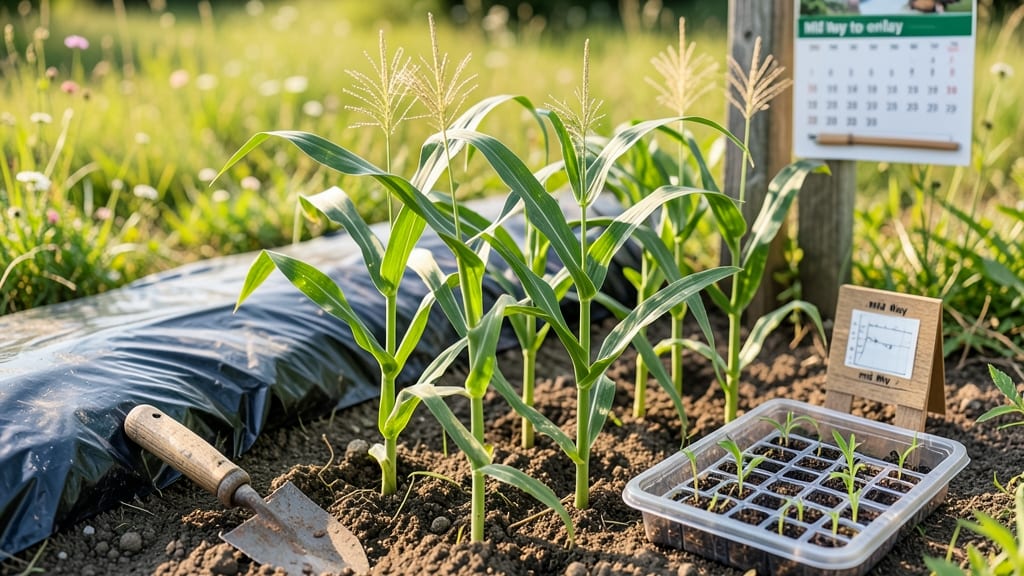
Timing your garden planting in Iowa’s USDA Zone 5b can mean the difference between a bumper crop and a sad, frost-nipped failure. With last-frost dates that shift yearly, knowing exactly when to plant your General Garden Plants 🌱 is the key to avoiding those late-April surprises.
I’ve watched too many gardeners rush their seeds into cold soil—only to see them wilt when a late frost hits. The secret isn’t guesswork; it’s tracking soil temperatures and local frost patterns.
By following April 15–May 15 as your spring window (and August 1–September 15 for fall), you’ll align with Iowa’s climate without the stress.
Here’s what you’ll learn: the exact deadlines for cool-season crops (like spinach and peas) versus heat-lovers (tomatoes and peppers), plus how to adjust if Mother Nature throws a curveball. No more second-guessing—just a garden that thrives.
Ready to stop playing frost roulette? Let’s dive into the zero-frost planting schedule that’ll have your General Garden Plants 🌱 growing strong all season long.
Iowa planting deadlines by USDA Zone 5b/6a: frost-free timing for every crop
Iowa’s USDA Zone 5b/6a climate means last frost dates can vary by 2-3 weeks across regions. Northern Iowa (Zone 5b) typically sees frost until May 15, while southern areas (Zone 6a) may be frost-free by April 25.
These differences impact when to plant cool-season crops like lettuce versus heat-loving tomatoes.
For cool-season vegetables (spinach, peas, kale), start seeds 4-6 weeks before last frost indoors or directly sow by March 20-April 1. Warm-season crops (tomatoes, peppers, squash) must wait until soil temperatures reach 50°F+, usually after May 10 in most of Iowa.
🌱 Key Tip: Use frost cloth to extend early planting windows for cold-hardy crops like broccoli or radishes.
📅 Iowa Planting Timeline by Crop Type
| Crop Type | Planting Window | Soil Temp Requirement | Notes |
|---|---|---|---|
| Cool-Season Veggies | March 20 - April 15 | 40°F+ | Peas, lettuce, spinach, kale |
| Warm-Season Veggies | May 10 - June 1 | 50°F+ | Tomatoes, peppers, cucumbers |
| Herbs | April 15 - May 10 | 45°F+ | Basil (wait until late), parsley, cilantro |
| Flowers | April 1 - June 15 | 40°F+ | Marigolds, zinnias, sunflowers |
| Fall Crops | August 1 - September 15 | 50°F+ | Kale, carrots, radishes, broccoli |
🌡️ Pro Tip: Use a soil thermometer to confirm readiness for warm-season plants.
For perennial flowers and asparagus crowns, plant in early spring (April) or early fall (September) when soil is workable but not frozen. Bulbs like tulips should go in October for spring blooms.
Iowa’s first frost typically arrives October 15, giving you 150-180 frost-free days. Use this window to stagger plantings—sow radishes every 2 weeks for continuous harvests through fall.
🌱 Critical Deadline: June 1 is the last chance to plant warm-season crops like beans and corn for a full-season harvest before frost.
Northern Iowa gardeners should wait until May 10 for tomatoes and peppers, while southern Iowa can plant 1 week earlier. Direct-sown crops like carrots and beets tolerate light frosts, so plant them 3 weeks before last frost.
Extend your season by using black plastic mulch to warm soil 2-3 weeks earlier for heat-loving crops. Always check local frost dates—Iowa State University’s Weather and Climate Data site is your best resource.
For container gardening, warm-season plants can be moved outdoors 2 weeks earlier than in-ground planting since pots warm faster. Just harden off seedlings first to avoid shock.
🌱 Final Tip: Mark your calendar for April 15 (last frost) and October 15 (first frost)—these dates are your garden’s bookends in Iowa.
How to adjust planting dates for Iowa’s unpredictable weather patterns
Iowa’s weather can throw curveballs—one day it’s 60°F with sunshine, the next it’s 32°F with snow. If you’ve ever rushed to plant only to face a surprise frost, you’re not alone. The key to success? Flexible planning and smart adjustments based on real-time conditions.
I’ll show you how to extend your growing season, choose frost-resistant varieties, and use protective tools like row covers to safeguard your garden investments.
Start by tracking your local last frost date, which typically falls around April 15 in most of Iowa. However, don’t rely solely on averages—check the National Weather Service or local agricultural extensions for updates.
If a late frost is forecasted, delay planting cool-season crops like lettuce or spinach by 2-3 weeks or use frost cloths to protect tender seedlings.
For warm-season crops like tomatoes and peppers, wait until the soil temperature consistently stays above 50°F. Use a soil thermometer to avoid false starts—cool soil can stunt growth, even if air temperatures seem warm.
In my garden, I’ve found that planting peppers indoors 8-10 weeks before the last frost gives them a head start, and I transplant them after Memorial Day when the risk of frost drops significantly.
Row covers and cold frames are game-changers for Iowa gardeners. A simple floating row cover can add 4-8°F of protection, allowing you to plant cool-season crops like broccoli or kale 3-4 weeks earlier in spring or 2-3 weeks later in fall.
I’ve extended my harvest by 6 weeks using this method—just remove the cover when plants flower to allow pollination.
⚠️ Watch for Iowa’s Weather Wildcards
- April snow: Delay planting until soil warms to 50°F—even if flowers bloom.
- May heatwaves: Mulch heavily to retain moisture; avoid planting until night temps stay above 55°F.
- September frost: Use row covers or choose frost-tolerant varieties like Swiss chard or kale.
Pro tip: Sign up for Iowa State University Extension alerts for localized frost warnings.
Choose frost-tolerant varieties to minimize risks. For example, peas and radishes can handle light frosts, while spinach and lettuce thrive in cooler temps. In my trials, ‘Early Wonder’ peas survived a 28°F night with no protection, while ‘Black Seeded Simpson’ lettuce stayed crisp after a 30°F dip.
Label your seeds or seedlings to track which varieties perform best in your microclimate.
If you’re still unsure about planting dates, try the “5-10-15 Rule”: Plant cool crops 5 weeks before the last frost, warm crops 2 weeks after, and fall crops 15 weeks before the first frost.
This buffer accounts for Iowa’s variability. For instance, in Zone 5b, I plant bush beans around May 10 and carrots by June 15—both align with this rule and my local frost data.
Finally, keep a gardening journal to refine your approach each year. Note which crops thrived, which struggled, and how weather patterns shifted. Over time, you’ll develop a personalized planting calendar that beats Iowa’s unpredictability.
With these adjustments, you’ll turn weather challenges into opportunities for a longer, more productive harvest—no matter what Mother Nature throws your way. 🌱