
Flowers
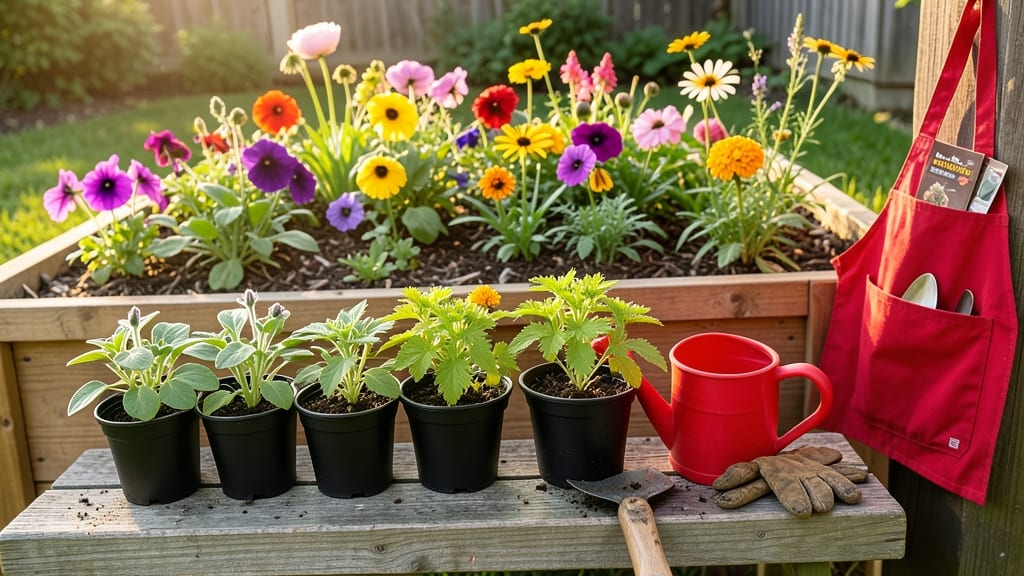
Timing your spring flower planting in New Hampshire is like playing a high-stakes game of Mother Nature—get it wrong, and your blooms never stand a chance.
With frost lingering well into May in some zones and sudden heat waves in others, knowing exactly when to plant 🌱 can mean the difference between a showstopping garden and a sad, half-dead display.
I’ve spent years watching NH gardens thrive (and fail) based on planting schedules, and the key isn’t just following a calendar—it’s reading your local microclimate.
Coastal areas near Portsmouth might be safe for petunias by late April, while inland spots in the White Mountains could still see frost in early June. Let me break down the zone-specific deadlines that actually work, so you can skip the guesswork and start planting with confidence.
You’ll discover how to stretch your growing season with simple tricks like row covers and soil insulation, plus the month-by-month planting timeline for annuals, perennials, and bulbs that’s tailored to NH’s quirks.
Whether you’re a first-time gardener or a seasoned pro, these insights will help you beat the frost and enjoy blooms from June through October—without the stress.
Ready to transform your yard into a vibrant escape? Let’s dive into the science-backed strategies that’ll have your flowers thriving, no matter where in New Hampshire you’re planting.
New Hampshire’s frost zones & microclimates: when to plant flowers by region
New Hampshire’s USDA Hardiness Zones 4a-5b create dramatic differences in planting windows—sometimes by 2+ weeks—between coastal Portsmouth and the White Mountains.
The last average frost date in Concord typically falls around May 15, but inland areas like Berlin can wait until June 1, while coastal regions like Rye might see frost-free soil by April 25. These microclimates mean your neighbor’s petunias might thrive while yours freeze overnight.
Elevation plays a huge role: every 1,000 feet up shifts the frost date 3-5 days later.
That’s why Mount Washington’s planting season starts 3 weeks after Portsmouth’s. Water bodies also create pockets—gardens near Lake Winnipesaukee can plant 2 weeks earlier than those in the Monadnock region, thanks to moderating effects. Always check local frost maps from UNH Extension for precision.
For annual flowers like marigolds or geraniums, wait until 2 weeks after your area’s last frost. Perennials such as coneflowers or black-eyed Susans are hardier and can handle light frost, so they tolerate April planting in most zones. Bulbs like tulips should go in fall (October-November) to establish roots before winter.
Here’s how microclimates affect your planting schedule by region:
If you’re in a valley like the Pemigewasset, cold air pools overnight—plant 1 week later than nearby hills. Conversely, south-facing slopes warm up 2 weeks earlier, perfect for heat-loving flowers like lavender or roses.
Always test your soil temperature with a soil thermometer—it should hit 50°F+ for most flowers to thrive.
For frost-sensitive annuals like begonias or impatiens, wait until after Memorial Day in inland zones. Hardy perennials such as daylilies or hostas can handle April planting and even light frost. Bulbs like daffodils or hyacinths should be planted in fall (October) to naturalize and bloom early.
Pro tip: Use UNH’s frost calculator (extension.unh.edu) to input your exact ZIP code for hyper-local frost predictions. Even a 1-mile difference can shift your planting window by 3-5 days. Pair this with a garden journal to track your microclimate’s quirks over years.
Remember, microclimates aren’t just about frost—they also affect soil warmth, wind exposure, and humidity. A south-facing garden in
Month-by-month flower planting calendar for NH gardens
New Hampshire’s spring planting window is short but packed with opportunities—if you know the exact deadlines. My month-by-month calendar breaks down when to plant annuals, perennials, and bulbs to avoid frost damage while maximizing blooms.
For example, tender annuals like petunias need to wait until after the last frost (typically May 15–June 1), while hardy perennials like coneflowers can go in as early as April 15.
Start by checking your local frost dates—coastal areas like Portsmouth average April 20, while inland zones (e.g., Concord) may not see the last frost until May 10. Use this as your planting trigger for frost-sensitive varieties.
For bulbs like tulips or daffodils, plant them in fall (October–November) for early spring color, but avoid planting in freezing ground.
Here’s your actionable timeline to plant flowers in NH without frost worries:
For fall planting, focus on cool-season annuals (e.g., mums, asters) in August–September, and bulbs like tulips in October. Always mulch heavily to insulate roots from early winter frosts.
My go-to trick? Plant marigolds and zinnias in late June—they bloom fast and deter pests, giving you instant color while protecting other flowers.
Remember: NH’s microclimates matter. A valley garden in Lancaster may have 2 weeks earlier last-frost dates than a mountain slope in North Conway. Use local frost calculators (like the UNH Extension tool) to fine-tune your schedule.
With this timeline, you’ll beat the frost and enjoy blooms from spring to fall.