
Plants
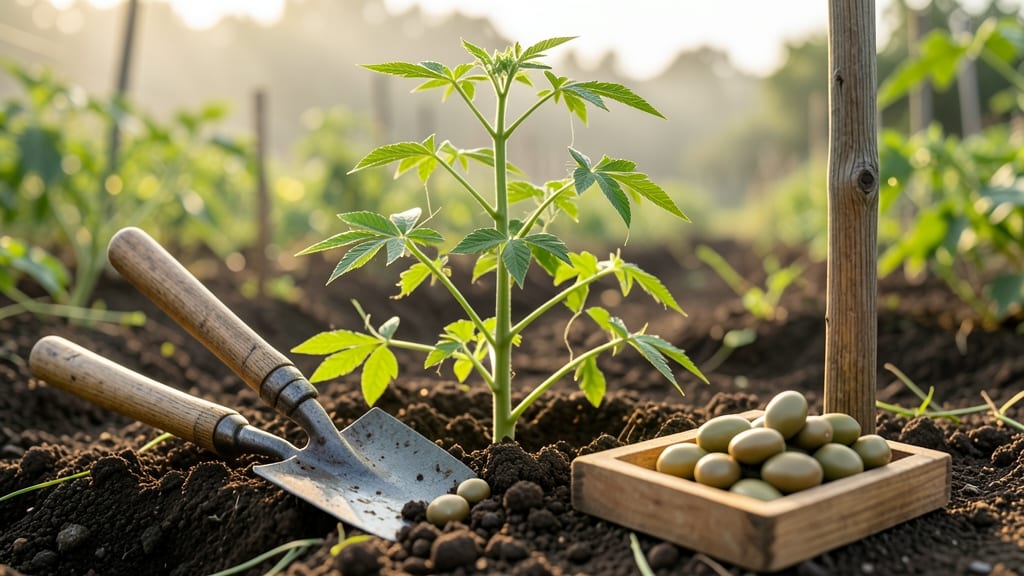
If you're dreaming of a bountiful fava bean harvest in Zone 8, timing is everything—plant too early, and the summer heat will bolt your 🌱 plants before they produce; too late, and frost might cut your season short.
The key lies in two perfect windows: fall or early spring, when temperatures stay cool and steady.
Most gardeners in Zone 8a-8b swear by September-October for fall planting, giving plants time to establish roots before winter slows them down. But if you prefer spring, aim for February-March to avoid the scorching June heat that fava beans despise.
Both strategies work, but your local microclimate—whether you're in a high desert or coastal area—can shift those dates by weeks.
What sets fava beans apart is their ability to thrive in cooler temperatures, making them a great alternative to heat-sensitive crops. But without the right timing, even the hardiest varieties will struggle.
I’ll break down exactly how to align your planting schedule with Zone 8’s frost dates and soil conditions, so you can maximize your yield without guesswork.
Ready to skip the trial-and-error? Let’s dive into the ideal planting months, soil prep secrets, and how to adjust for your specific corner of Zone 8—because a little planning now means a harvest full of tender, flavorful pods later.
Best planting months for fava beans in Zone 8: cool-season timing explained
Fava beans (🌱) are cool-season powerhouses that despise Zone 8’s summer heat, making timing everything. Plant too early, and they’ll bolt before producing pods. Plant too late, and they’ll struggle to mature before summer’s arrival.
The sweet spot? Fall or early spring when temperatures stay between 40°F and 75°F.
In Zone 8, your two best windows are September-October for fall planting and February-March for spring planting. These months give fava beans 90-120 days of ideal growing conditions before summer’s heat sets in.
For example, a September 15 planting in Zone 8a typically yields harvests by mid-April, while a March 1 planting finishes by early June.
Here’s the key: Fava beans need consistent cool weather. Avoid planting when nighttime temps dip below 35°F (they’ll freeze) or when daytime temps exceed 80°F (they’ll bolt).
In Zone 8b, where winters are milder, you can push spring planting slightly later—March 15-30—but still aim to finish harvests before June.
Pro tip: Check your last frost date. In Zone 8a, the average first frost is November 15, so fall plantings should be done by October 1 to avoid winter dormancy. In Zone 8b, where frosts are rarer, you can stretch fall plantings to November 1.
🌱 Fava Bean Planting Timeline for Zone 8
| Season | Planting Window | Temperature Range | Harvest Window |
|---|---|---|---|
| Fall | September 15 – October 15 | 40°F–75°F | April 1 – May 15 |
| Early Spring | February 15 – March 15 | 45°F–70°F | May 1 – June 15 |
| Late Spring (Risky) | April 1 – April 15 | 50°F–80°F (high risk) | July 1 – August 1 (poor yield) |
⚠️ Note: Late spring plantings often fail in Zone 8 due to heat stress. Use shade cloth if attempting.
For Zone 8a gardeners (colder winters), prioritize fall plantings. The cooler nights and shorter days trigger faster maturation. In Zone 8b (milder winters), you can experiment with January plantings, but monitor soil temps—below 40°F will stall germination.
Soil temperature matters just as much as air temperature. Use a soil thermometer to confirm 50°F+ before planting. In Zone 8, soil stays warm into October, but by November, it drops below ideal levels.
For spring, wait until soil warms to 55°F+—usually by mid-February in most of Zone 8.
If you’re in a high-desert Zone 8 area (e.g., Las Vegas, Phoenix outskirts), plant earlier—by August 15 for fall—to escape the intense summer heat. Coastal Zone 8 (e.g., San Diego) can stretch plantings to November 1 due to milder winters.
For successive harvests, stagger plantings every 2-3 weeks in fall (e.g., September 1, 15, and 30) or spring (e.g., February 15 and March 1). This ensures a continuous supply of pods from April through June.
Remember: Fava beans are frost-tolerant but won’t thrive in freezing soil. In Zone 8a, a light frost after planting won’t harm established plants, but new seeds need warmth to sprout. Always check your local frost dates and adjust accordingly.
Best planting months for fava beans in Zone 8: cool-season timing explained
Fava beans love cool weather and struggle when temperatures rise above 75°F (24°C). In Zone 8, this means timing is everything—plant too early, and heat will bolt your crop; too late, and frost may kill seedlings.
The sweet spot is fall or early spring, when temps stay between 50-70°F (10-21°C).
For Zone 8a/b, aim for September-October (fall) or February-March (spring). These windows align with soil temperatures of 50-60°F (10-15°C), perfect for germination. Never plant in summer—fava beans will bolt or wilt under Zone 8’s heat.
Pro Tip: Check your last frost date (Zone 8a: Dec 15, Zone 8b: Jan 15). Plant 6-8 weeks before frost to ensure a full 90-120-day growth cycle before summer heat arrives.
| Planting Window | Ideal Months | Soil Temp | Harvest Time |
|---|---|---|---|
| Fall Planting | September-October | 50-60°F (10-15°C) | April-May |
| Early Spring | February-March | 55-65°F (13-18°C) | June-July |
| Avoid | April-July | >75°F (24°C) | Poor germination |
If you miss the ideal windows, consider late-maturing varieties like 'Aquadulce Claudette', which tolerate slightly warmer soil. For coastal Zone 8, extend fall planting to November—cooler ocean breezes delay heat stress.
Zone 8b gardeners (warmer subzone) should prioritize fall over spring. Spring planting risks early heat spikes, while fall offers a longer cool season before summer arrives. Test soil temps with a thermometer—aim for 55°F (13°C) at planting.
For succession planting, sow every 2-3 weeks in fall to stagger harvests. Use row covers if nights dip below 40°F (4°C) to protect young seedlings. Timing is your secret weapon for fava bean success in Zone 8! 🌱