
Plants
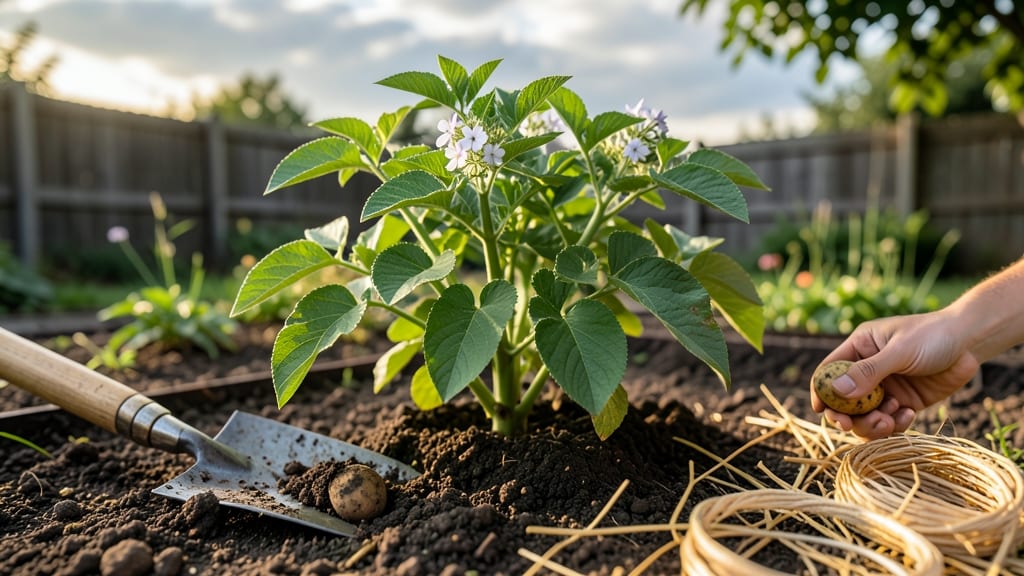
When to plant fall potatoes in Oklahoma isn’t just about throwing 🥔 tubers in the dirt—it’s about locking in a harvest before the first frost steals your crop. Plant too early, and your potatoes might bolt or rot; too late, and you’ll miss the sweet spot between 90-day maturity and November’s chill. The key? Starting between late August and early October when soil temps stay above 50°F—but not so late that your plants won’t bulk up before frost.
Oklahoma’s USDA Zone 6b-7a gives you a rare advantage: a long enough fall to grow potatoes for storage or fresh eating. But without the right timing, you’ll either end up with undersized tubers or a crop ruined by early freezes.
I’ve tested the perfect window over the years, and the difference between a bountiful harvest and a disappointing one often comes down to these 4-6 weeks before frost.
Here’s the game-changer: most gardeners in Oklahoma City or Tulsa plant their fall potatoes in September—but the exact deadline depends on your microclimate. If you’re in a cooler pocket of the state, you might need to start earlier, while those in warmer areas can push it closer to October.
I’ll break down how to adjust for your specific conditions, plus the top 3 varieties that thrive in Oklahoma’s fall soil.
Ready to avoid the common mistakes that waste time and yield? Let’s dive into the exact planting schedule, soil prep secrets, and post-planting care that’ll give you zero-frost potatoes—even in Oklahoma’s unpredictable fall weather.
Fall potato planting deadlines in Oklahoma (heat zone 7b) for zero-frost harvests
Timing your fall potato planting in Oklahoma’s Heat Zone 7b means aiming for a harvest before the first frost—typically around November 15. To nail this window, start planting 4-6 weeks before frost, which lands you in late August to early October.
This schedule ensures your potatoes mature before cold snaps hit, giving you 70-90 days of growth before harvest.
Oklahoma’s USDA Zone 6b-7a offers flexibility, but soil temperatures drop faster than you might expect. Seed potatoes need 45°F soil to sprout, so wait until mid-August if your area runs cool. Check your local frost-free days—most of Oklahoma averages 165 frost-free days, but elevation changes this number.
For a zero-frost harvest, count backward from your average first frost date. If frost hits November 15, plant by October 1 for a 60-day variety or September 15 for slower growers.
Use the Oklahoma Mesonet or USDA Plant Hardiness Zone Map to refine your timeline based on your exact location.
⚠️ CRITICAL: Planting too early risks tuber dormancy or disease pressure from summer heat, while late planting leaves potatoes vulnerable to frost. Balance soil warmth and daylight hours—August offers both.
🌱 Oklahoma Fall Potato Planting Timeline
| Stage | Action | Deadline |
|---|---|---|
| Soil Prep | Test pH (5.8-6.5), add compost | Mid-August |
| Plant Seed Potatoes | 4-6 weeks before frost | Late August–Early October |
| Hill Soil | Every 2-3 weeks | September–October |
| Harvest | Before first frost | October–December |
📅 Pro Tip: Use a frost calendar for your county to adjust dates.
Oklahoma City and Tulsa have slightly different microclimates. Tulsa’s higher elevation cools faster, so plant 1-2 weeks earlier than Oklahoma City. If you’re in western Oklahoma, push planting to early September to avoid early frosts. Always monitor weekly forecasts—a cold snap can shift your deadline.
For extended harvests, consider successive planting. Start with early-maturing varieties (e.g., Red Norland) in late August, then plant medium-maturing types (e.g., Yukon Gold) in early September. This spreads your harvest from October to December, giving you fresh potatoes longer.
If frost threatens before harvest, use row covers or straw mulch to protect tubers. Dig up potatoes when soil temps drop below 40°F—even if foliage is still green. Store them in a cool, dark place (40-50°F) to prevent sprouting.
🌿 Key Takeaway: Oklahoma’s fall potato window is late August to early October, but adjust based on your local frost date and soil conditions. Planting too late risks frost damage, while early planting may lead to smaller yields or disease.
Test your soil, choose the right variety, and watch the weather!
How to adjust planting dates for Oklahoma’s microclimates and soil conditions
Oklahoma’s diverse geography—from the Arkansas River Valley to the Ozark Plateau—means frost dates can vary by 1-2 weeks even within the same county. If you live in higher elevations (like near Oklahoma City), aim for late August planting to harvest before the November 15 average frost.
In warmer southern regions (like Tulsa), you can push planting to early October for a later harvest.
Soil drainage is another critical factor. Clay-heavy soils (common in eastern Oklahoma) require raised beds or amended soil to prevent waterlogging, which can rot tubers. Test your soil’s drainage rate: If water pools after 6 hours, mix in sand or compost before planting.
Sandy soils in western Oklahoma drain too quickly, so add organic matter to retain moisture.
🌱 Numbered Highlights: Adjusting for Oklahoma’s Microclimates
- Elevation Adjustments: Plant 1 week earlier for every 500 ft elevation gain (e.g., Oklahoma City vs. Tulsa).
- Soil Amendments: Add 3 inches of compost to clay soils; use vermiculite for sandy soils.
- Row Covers: Extend harvest by 2-3 weeks with floating row covers in Heat Zone 7b.
- Cold Frames: Protect early harvests in northern Oklahoma with low-tunnel hoops.
- Local Frost Data: Check Oklahoma Mesonet for real-time frost alerts.
For gardeners in western Oklahoma, where drought is a concern, choose drought-tolerant varieties like Red LaSoda and plant in swales (shallow trenches) to capture moisture. In eastern Oklahoma, where humidity is higher, space plants 12 inches apart and use straw mulch to reduce blight risk.
Always plant seed potatoes (not grocery store potatoes) that have been chitted (sprouted) for 2-3 weeks before the target date.
If you’re unsure about your local frost date, use the "500-degree day rule": Oklahoma’s first frost typically occurs after accumulating 500+ growing degree days below 86°F. Track this with a home weather station or the USDA Plant Hardiness Zone Map.
For example, Lawton (Zone 7a) may have a later frost than Norman (Zone 7b), so adjust accordingly.
Pro tip: Plant a test row 2 weeks before your target date to gauge soil warmth. Stick a soil thermometer 4 inches deep—potatoes thrive in soil between 50°F and 70°F.
If temps drop below 40°F, delay planting or use black plastic mulch to warm the soil faster. This is especially critical in September, when Oklahoma’s nights can still cool quickly.
Finally, rotate planting locations every year to prevent soil-borne diseases like verticillium wilt, which thrives in Oklahoma’s humid summers. If you planted potatoes in a spot last year, wait 3-4 years before returning to it.
Pair fall potatoes with companion plants like marigolds (to repel pests) or beans (to fix nitrogen) for healthier tubers.