
Plants
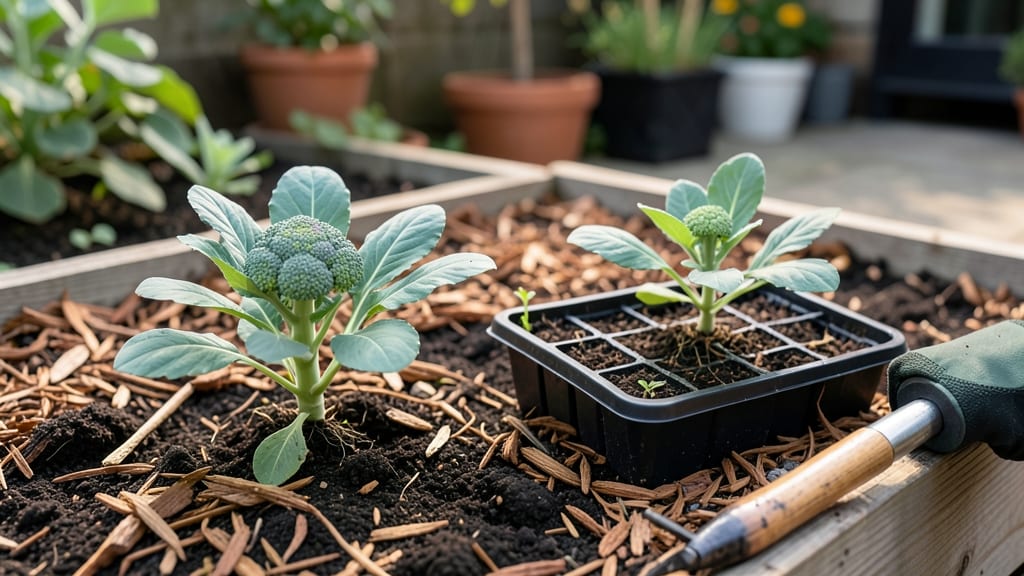
Planting broccoli 🥦 in Zone 7a might seem straightforward, but getting the timing right is the key to avoiding bitter heads or wasted effort.
Unlike heat-loving veggies, broccoli thrives in cooler weather, so knowing exactly when to start seeds or transplant seedlings can mean the difference between a bountiful harvest and a sad, bolted plant.
Most gardeners in 7a focus on two main planting windows: early spring (March-April) and late summer (August-September). But here's the catch—your exact timing depends on whether you're dealing with coastal mildness or inland heat waves.
I'll break down the precise deadlines you need to hit, plus how to stretch your harvest with smart succession planting.
You'll also discover which cold-hardy varieties actually survive light frosts (yes, even in 7a's mild winters) and how to protect tender seedlings when temperatures dip unexpectedly. No more guessing—just actionable advice tailored to your specific microclimate.
Ready to grow broccoli that's sweet, tender, and ready to harvest from May through November? Let's dive into the exact planting schedule that works for your Zone 7a garden, plus pro tips to keep your plants thriving all season long.
Best planting windows for broccoli in Zone 7A: fall, spring, and successive crops
Zone 7A’s mild winters and hot summers create two prime windows for broccoli: early spring and late summer. These timings let you avoid bolting from summer heat while maximizing frost tolerance. Let’s break down the exact dates and temperature thresholds to plan your broccoli harvests.
For spring plantings, aim to sow seeds 4–6 weeks before your last frost date (typically March 15 in Zone 7A). This gives seedlings enough time to establish roots before soil warms.
In my garden, I start seeds indoors in late February for a head start, then transplant outdoors by mid-March when soil reaches 45°F.
Your fall harvest relies on planting seeds 3 months before your first frost (around November 15 in Zone 7A). This means sowing in late August for mature heads by October. Fall broccoli thrives with cooler nights, producing sweeter, more tender heads than spring crops.
Here’s a quick reference for your planting calendar:
| Season | Planting Window | Soil Temp | Days to Maturity | Harvest Time |
|---|---|---|---|---|
| Spring | Late February (indoors) → Mid-March (outdoors) | 45–50°F | 50–80 days | May–July |
| Fall | Late August (direct sow) | 50–60°F | 60–75 days | October–November |
| Successive Crops | Every 2–3 weeks (April–July) | 50°F+ | 50–60 days | June–September |
Zone 7A’s microclimates play a huge role in timing. Coastal areas (like Norfolk, VA) have milder winters, allowing earlier spring plantings, while inland regions (like Raleigh, NC) may need to delay until soil warms.
Always check your local first/last frost dates—they can vary by 1–2 weeks even within the same zone.
Pro tip: Use row covers or cold frames to extend your spring harvest by 2–3 weeks. I’ve successfully grown broccoli through light frosts (28°F) with a simple floating row cover, adding 2–4°F protection without overheating plants.
For succession planting, sow new seeds every 2–3 weeks from April through July. This ensures a steady supply of fresh broccoli heads, even as summer heat arrives. Just avoid planting after July 15, or your crops may bolt prematurely.
Bolting (premature flowering) is broccoli’s biggest enemy in Zone 7A’s heat. To prevent it, choose fast-maturing varieties (under 60 days) and keep soil consistently moist. Mulch with straw or grass clippings to retain moisture and cool roots during peak summer.
Always test your soil’s pH (6.0–7.0) and add compost before planting. My soil in Zone 7A was initially too acidic, so I amended it with lime and organic matter for optimal growth. Well-prepared soil = healthier plants that resist stress.
With these windows, you’ll enjoy two full harvests (spring and fall) plus smaller yields from succession crops. Just remember: timing is everything—plant too early, and frost will kill seedlings; plant too late, and summer heat will ruin your crop.
Best planting windows for broccoli in Zone 7A: fall, spring, and successive crops
Zone 7A’s mild winters and hot summers create perfect conditions for two broccoli harvests—spring and fall—if you time your plantings correctly. The key is understanding your last frost date (March 15) and first frost date (November 15), which frame your planting windows.
For most of Zone 7A, this means early spring (March-April) and late summer (August-September) are your best bets.
Spring plantings should happen 4-6 weeks before your last frost to ensure seedlings emerge when soil temperatures hit 40°F (4°C). This gives them enough time to mature before summer heat triggers bolting (flowering too early).
Fall plantings, on the other hand, need to be sown 3 months before your first frost so heads form before cold sets in. In Zone 7A, that’s typically late July to early August for a late fall harvest.
Here’s how to calculate your exact windows:
- Check your local frost dates (they can vary by 2-3 weeks even within Zone 7A).
- Subtract 4-6 weeks for spring or 12 weeks for fall.
- Aim for soil temps between 40°F (4°C) and 85°F (29°C)—broccoli hates extreme heat or cold.
| Planting Window | Action | Soil Temp | Frost Risk |
|---|---|---|---|
| Early Spring | Direct sow or transplant | 40–65°F (4–18°C) | Low (after last frost) |
| Late Summer | Direct sow seeds | 50–75°F (10–24°C) | Moderate (use row covers) |
| Fall Succession | Sow every 2–3 weeks | 45–60°F (7–15°C) | High (protect seedlings) |
For continuous harvests, use succession planting—sow seeds every 2–3 weeks during your planting windows. This ensures you’re always getting fresh broccoli while older plants mature. In Zone 7A, this works especially well for fall crops, where staggered plantings can extend harvests until December if protected from frost.
Microclimates matter in Zone 7A! Coastal areas (like Virginia Beach) have milder winters, allowing earlier spring and later fall plantings. Inland areas (like Raleigh) may need to adjust by 1–2 weeks earlier to avoid summer heat stress.
Always monitor your local weather forecasts for unexpected cold snaps or heatwaves.
Pro tip: Start seeds indoors 4–6 weeks before transplanting to give seedlings a head start. Use grow lights if natural light is limited, and harden off seedlings for 7–10 days before moving them outdoors. This builds resilience against Zone 7A’s temperature swings.